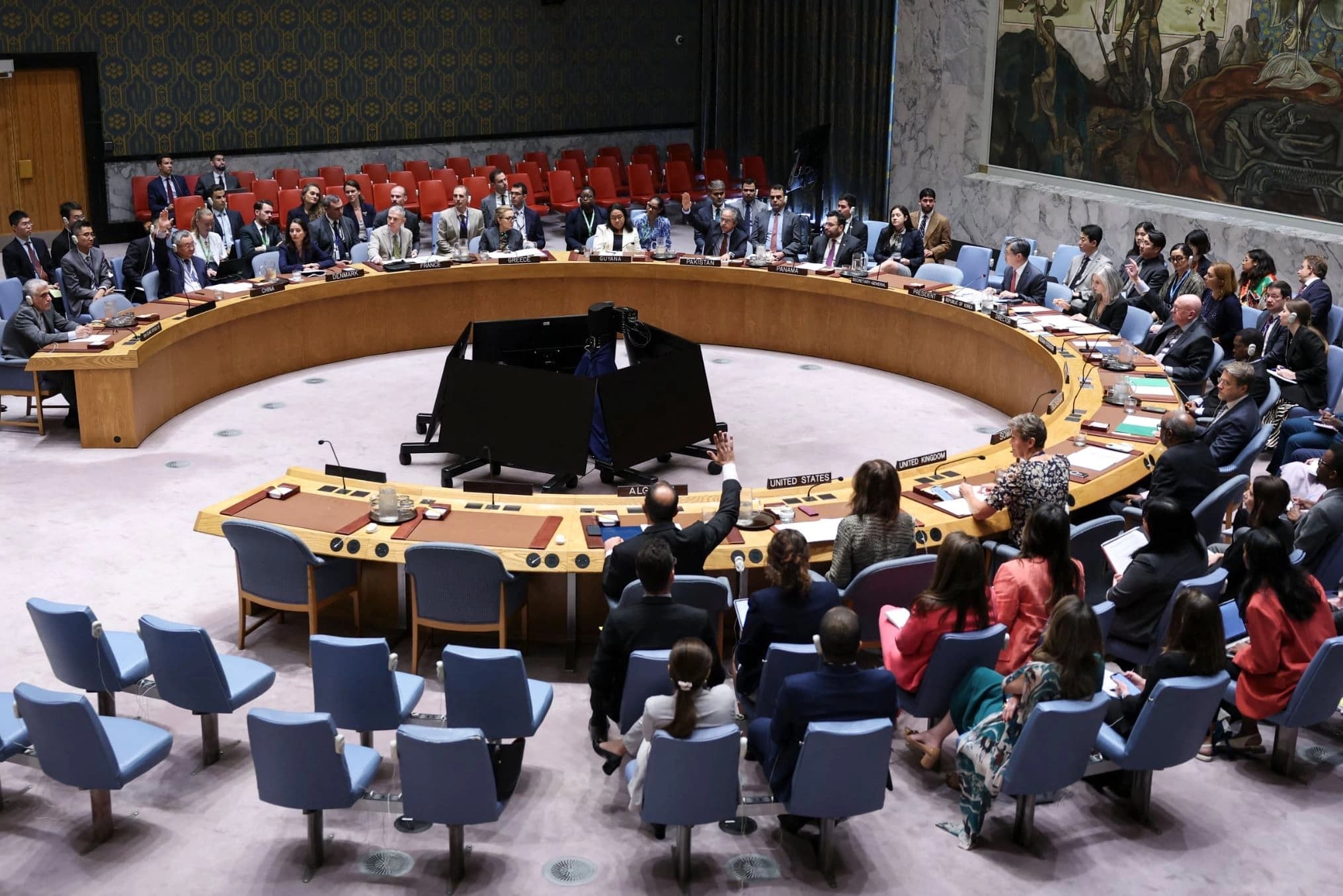

ERBIL, Kurdistan Region - The United Nations Security Council on Friday voted against a resolution to halt the reimposition of sanctions on Iran over its nuclear program. Tehran called the vote "politically biased."
The draft resolution on whether to terminate sanctions on Iran gained the support of only four votes. Its failure to pass means UN sanctions could return by the end of this month if no progress is made in nuclear talks between Tehran and European countries.
Russia, China, Pakistan, and Algeria voted against the reimposition of sanctions, while nine members of the Security Council opposed the resolution. Two countries chose to abstain from the vote.
Iranian Ambassador to the UN Amir-Saeid Iravani expressed gratitude to the four countries that supported lifting the sanctions, praising them for rejecting what he called "the blunt instrument of pressure and intimidation."
France, Germany and the United Kingdom late last month initiated a 30-day process known as the snapback mechanism to reimpose UN sanctions. The snapback is a powerful diplomatic tool embedded in the 2015 nuclear deal between Iran and world powers that allows for the automatic reimposition of UN Security Council sanctions if Iran violates its nuclear commitments.
Iran’s foreign minister on Thursday said he presented a plan to European powers - the UK, Germany and France (also known as E3) - in a bid to avoid the snapback. "On behalf of the Islamic Republic of Iran, I yesterday presented a reasonable and actionable plan to E3/EU counterparts to avert an unnecessary and avoidable crisis in the coming days," Abbas Araghchi wrote on X.
The European powers have upped their pressure on Tehran after the 12-day war between Israel and Iran in June, which ended when the United States launched its own strikes on Iran’s nuclear facilities and subsequently brokered a ceasefire.

.png&w=3840&q=75)