


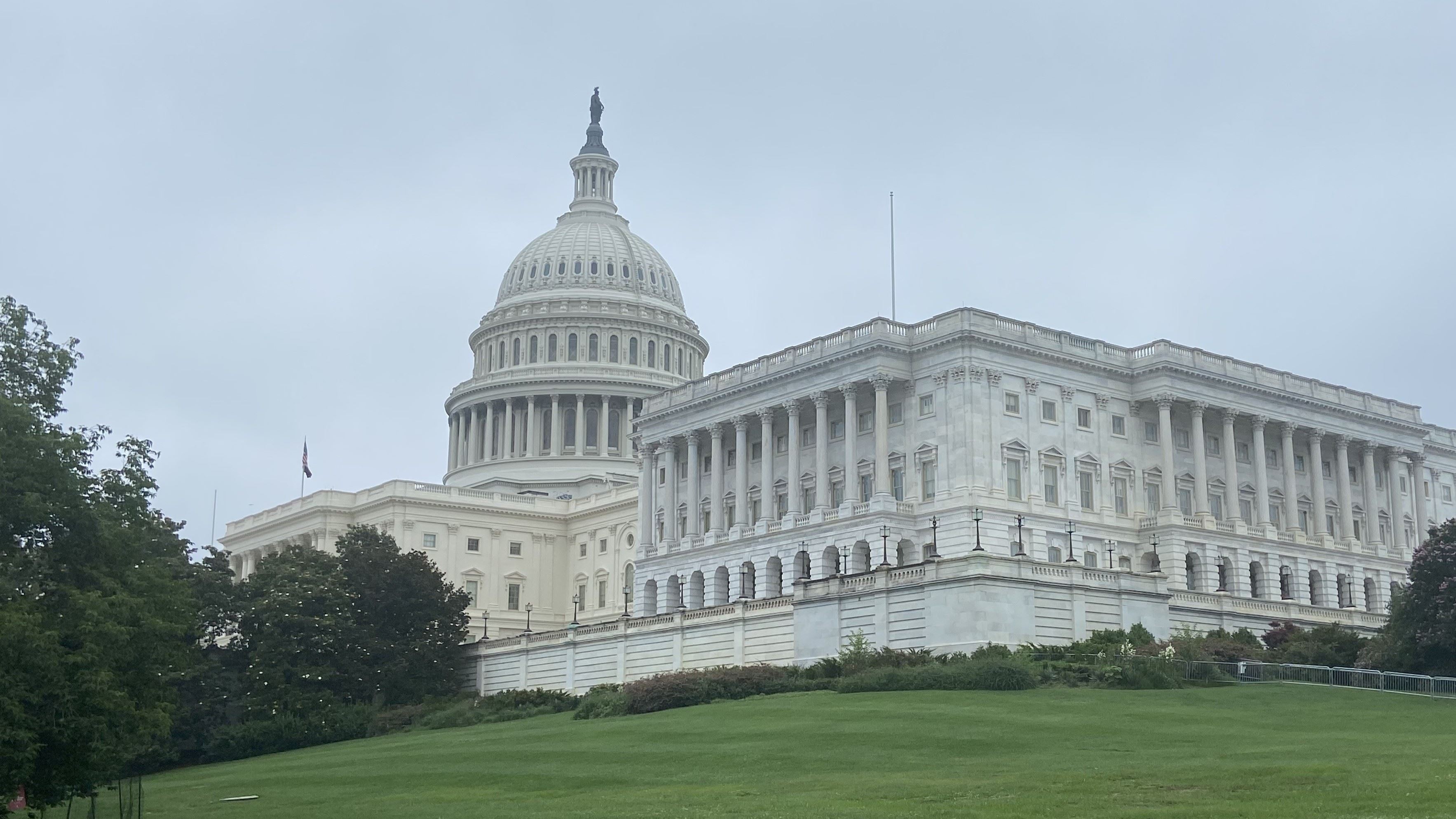
WASHINGTON DC - Senior Republican lawmakers on Thursday signaled a cautious wait-and-see approach vis-a-vis the Ahmed al-Sharaa-led government in Syria, warning that US engagement should be contingent on the protection of the country’s ethnic and religious minorities, including the Kurds.
Congressman Andy Harris noted that the Sharaa-led government “should be given a chance to prove that it believes that it will protect our minorities,” including “the Kurds … religious minorities, they should protect all minorities.”
However, “If they don't, we should rethink our approach to the new [Syrian] government,” Harris warned.
Since mid-January, the Syrian Arab Army and affiliated armed groups have advanced into areas held by the Kurdish-led Syrian Democratic Forces (SDF) in eastern Aleppo, as well as parts of Deir ez-Zor, Raqqa, and the Kurdish-majority Hasaka province.
The SDF function as the de facto military force in northeast Syria (Rojava) and, until November - when Damascus joined the anti-ISIS coalition - served as the alliance’s sole on-the-ground partner, playing a key role in ISIS’s territorial defeat in Syria in 2019.
Asked about whether the Republican camp will continue to back Kurdish forces against ISIS and terrorism, Lawmaker Tony Gonazles affirmed, “There's no room for terrorism anywhere in the world, including in Kurdistan.”
He added, “That part of the world is a challenging place to say the least, but the sooner peace can happen, everyone needs to be free and have the ability to choose the government of their choice.”
For her part, Republican Lawmaker Anna Paulina Luna told Rudaw that she supports Kurdish partners and has been “pretty clear about wanting to recognize them.” The congresswomen noted that “there have been slaughters from some of these [armed] factions that are not necessarily a part of the Syrian government,” pointing to past violations that have occurred against other minority groups in Syria, including the Druze.
“We want to make sure that they [minority groups in Syria] are protected,” Luna said. “We want to make sure that our Kurdish friends are safe and so are the Druze.”
The Republican lawmaker also highlighted the presence of “factions within the current government that have not necessarily been friendly to the US,” adding that the current moment presents an opportunity for stabilization.
“I think right now it’s a time period in which, if we can continue what we’re doing to help stabilize, then it’s an opportunity for everyone so that it becomes a safer region as a whole,” she said, adding that she would “fully back whatever the president [Donald Trump] views on that one.”
The Syrian presidency said on Tuesday that Damascus and the Kurdish-led SDF reached a “mutual understanding” on several issues, agreeing to “grant the SDF a period of four days for consultations to develop a detailed plan for the practical mechanism of integrating the areas [under their control]."
The presidency added that "if an agreement is reached, Syrian forces will not enter the centers of [the predominantly Kurdish cities of] Hasaka and Qamishli [in Rojava] and will remain on their outskirts." The implementation of the understanding "will begin at 8:00 pm [local time] today [Tuesday]," the statement concluded.
However, despite the presumed ceasefire, clashes continue in Kurdish-administered areas in northern Syria.


Comments
Rudaw moderates all comments submitted on our website. We welcome comments which are relevant to the article and encourage further discussion about the issues that matter to you. We also welcome constructive criticism about Rudaw.
To be approved for publication, however, your comments must meet our community guidelines.
We will not tolerate the following: profanity, threats, personal attacks, vulgarity, abuse (such as sexism, racism, homophobia or xenophobia), or commercial or personal promotion.
Comments that do not meet our guidelines will be rejected. Comments are not edited – they are either approved or rejected.
Post a comment