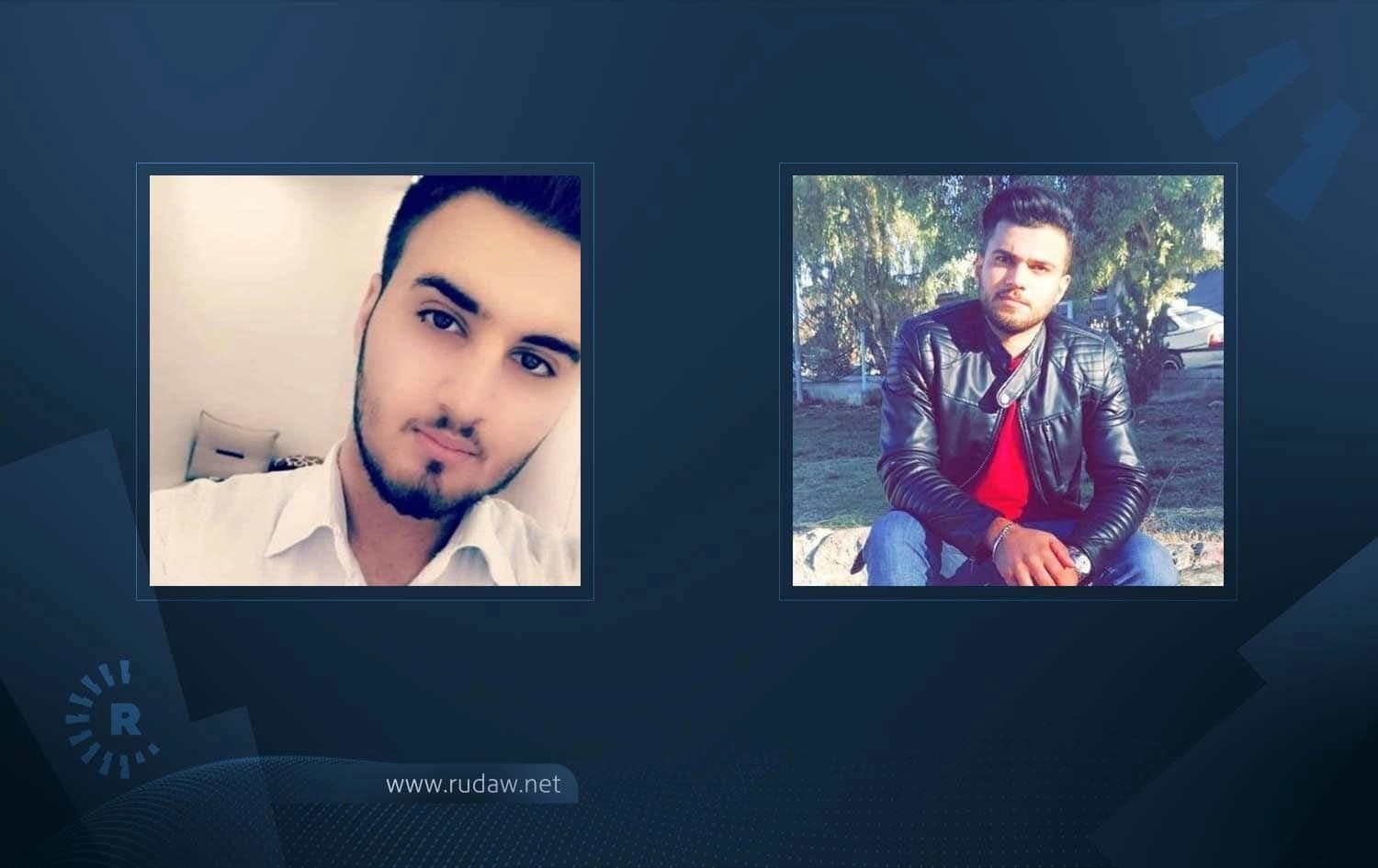

ERBIL, Kurdistan Region — Two Kurdish migrants en route to France died on Tuesday after being hit by a train in Italy, according to Italian media reports.
The young men killed were part of a group at least 10 people, believed to be Kurds and Afghans, walking through a tunnel in the province of Savona, northwest Italy, Italian police told European media outlets.
“The group was walking along the tracks trying to reach France, along a route that according to the police would be much busier in a few weeks, coinciding with the tightening of border controls,” Euronews Italia reported on Wednesday.
A Kurdish migrant and refugee rights organisation identified the two men as 23-year-old Bahroz Ismael and 19-year-old Rasti Waisi, both from the Kurdistan Region. According to The Summit Foundation for Refugee and Displaced Affairs (Lutka), Ismael and Waisi had left the Kurdistan Region due to the “financial crisis” and the “lack of jobs available”.
“The group had entered Italy from Turkey illegally, and after being quarantined in Italy for 14 days, they attempted to get to France,” Lutka said in their statement on Thursday.
Rezan Qadir, the Kurdistan Regional Government (KRG) representative in Italy told Rudaw’s Shaho Amin on Thursday that the men accompanying Ismael and Waisi were arrested, but have since been released.
A combination of Italy’s coronavirus lockdown and the Christmas period means “the process of returning the bodies back to the Kurdistan Region might take longer than expected”, Qadir said.
“We will try our best to return the bodies to their families as soon as possible,” she added.
According to Lutka statistics released in February of this year, 564,273 people from the Kurdistan Region, the disputed territories, and other parts of Iraq migrated abroad between 2015 and early 2020.