
ERBIL, Kurdistan Region - Germany’s Federal Public Prosecutor General (GBA) announced on Tuesday the arrest of a former Syrian intelligence officer southwest of the country. The individual is “strongly suspected” of involvement in killing, torture, and unlawful detention constituting crimes against humanity.
The suspect, identified as Fahad A., was arrested by agents of the Federal Criminal Police Office in Pirmasens following a warrant issued by the Investigating Judge at the Federal Court of Justice.
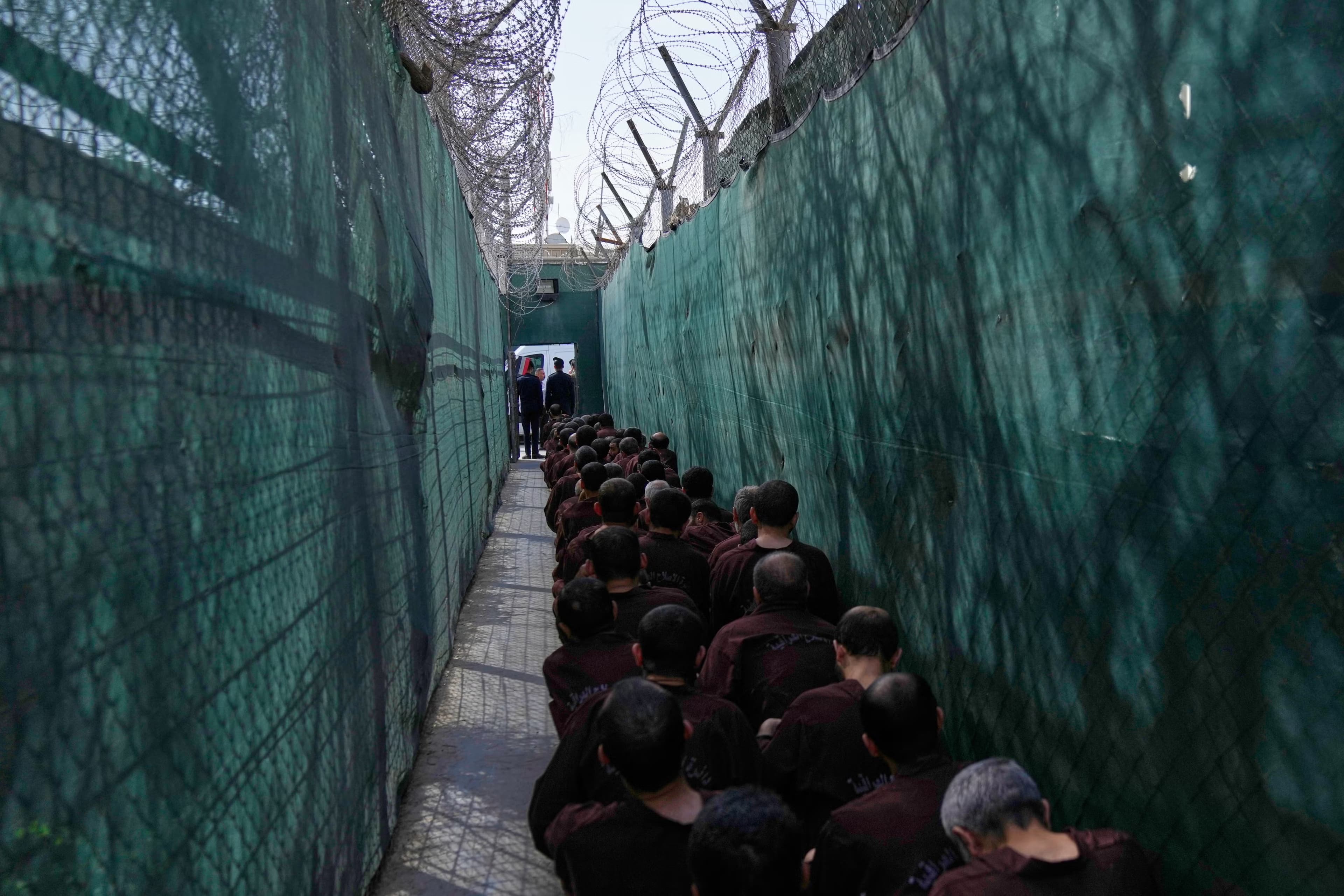
The Prosecutor statement noted that “the arrested individual is strongly suspected of acts of killing, torture, and deprivation of liberty as crimes against humanity.” He “took part in well over 100 interrogations where prisoners were subjected to severe physical abuse, for instance electrocution or beatings with cables.”
“The suspect also harassed prisoners at night by, for example, hanging them from the ceiling, pouring cold water over them or forcing them to remain in uncomfortable positions,” the statement added, concluding that “today, the suspect will be brought before the Investigating Judge at the Federal Court of Justice who will read out the arrest warrant and decide on its execution.”
In a statement on X, Stefan Schneck, Germany's special envoy for Syria, confirmed that the suspect is believed to have served at the al-Khatib branch - a notorious division of Syria’s intelligence services located in Damascus.
Under the regime of toppled Syrian dictator Bashar al-Assad, the al-Khatib branch became infamous for its systematic use of torture, arbitrary detention, and enforced disappearances, particularly targeting political dissidents. It has been linked to numerous human rights abuses and crimes against humanity before and throughout the Syrian civil war, which started in 2011.
Schneck stressed that the former officer had been “arrested on charges of committing crimes against humanity.”
“Fair trials are essential to uncover the atrocities of the Assad regime,” the German diplomat added, emphasizing that “transitional justice means confronting the past and building the future. Germany stands alongside this effort."
Following a swift offensive in early December, a coalition of opposition groups led by Hay’at Tahrir al-Sham (HTS) toppled the Assad regime.
Calls for accountability have since intensified., including from the United Nations.
The UN’s High Commissioner for Human Rights, Volker Turk, in late December stressed that any political transition in Syria "must ensure accountability for perpetrators of serious violations and guarantee that those responsible are held to account."
Turk described the Syrian conflict - which killed half a million people and displaced half of Syria’s population - as involving "the most serious human rights violations,” including “torture and the use of chemical weapons."

The suspect, identified as Fahad A., was arrested by agents of the Federal Criminal Police Office in Pirmasens following a warrant issued by the Investigating Judge at the Federal Court of Justice.
The Prosecutor statement noted that “the arrested individual is strongly suspected of acts of killing, torture, and deprivation of liberty as crimes against humanity.” He “took part in well over 100 interrogations where prisoners were subjected to severe physical abuse, for instance electrocution or beatings with cables.”
“The suspect also harassed prisoners at night by, for example, hanging them from the ceiling, pouring cold water over them or forcing them to remain in uncomfortable positions,” the statement added, concluding that “today, the suspect will be brought before the Investigating Judge at the Federal Court of Justice who will read out the arrest warrant and decide on its execution.”
In a statement on X, Stefan Schneck, Germany's special envoy for Syria, confirmed that the suspect is believed to have served at the al-Khatib branch - a notorious division of Syria’s intelligence services located in Damascus.
Under the regime of toppled Syrian dictator Bashar al-Assad, the al-Khatib branch became infamous for its systematic use of torture, arbitrary detention, and enforced disappearances, particularly targeting political dissidents. It has been linked to numerous human rights abuses and crimes against humanity before and throughout the Syrian civil war, which started in 2011.
Schneck stressed that the former officer had been “arrested on charges of committing crimes against humanity.”
“Fair trials are essential to uncover the atrocities of the Assad regime,” the German diplomat added, emphasizing that “transitional justice means confronting the past and building the future. Germany stands alongside this effort."
Following a swift offensive in early December, a coalition of opposition groups led by Hay’at Tahrir al-Sham (HTS) toppled the Assad regime.
Calls for accountability have since intensified., including from the United Nations.
The UN’s High Commissioner for Human Rights, Volker Turk, in late December stressed that any political transition in Syria "must ensure accountability for perpetrators of serious violations and guarantee that those responsible are held to account."
Turk described the Syrian conflict - which killed half a million people and displaced half of Syria’s population - as involving "the most serious human rights violations,” including “torture and the use of chemical weapons."
Comments
Rudaw moderates all comments submitted on our website. We welcome comments which are relevant to the article and encourage further discussion about the issues that matter to you. We also welcome constructive criticism about Rudaw.
To be approved for publication, however, your comments must meet our community guidelines.
We will not tolerate the following: profanity, threats, personal attacks, vulgarity, abuse (such as sexism, racism, homophobia or xenophobia), or commercial or personal promotion.
Comments that do not meet our guidelines will be rejected. Comments are not edited – they are either approved or rejected.
Post a comment