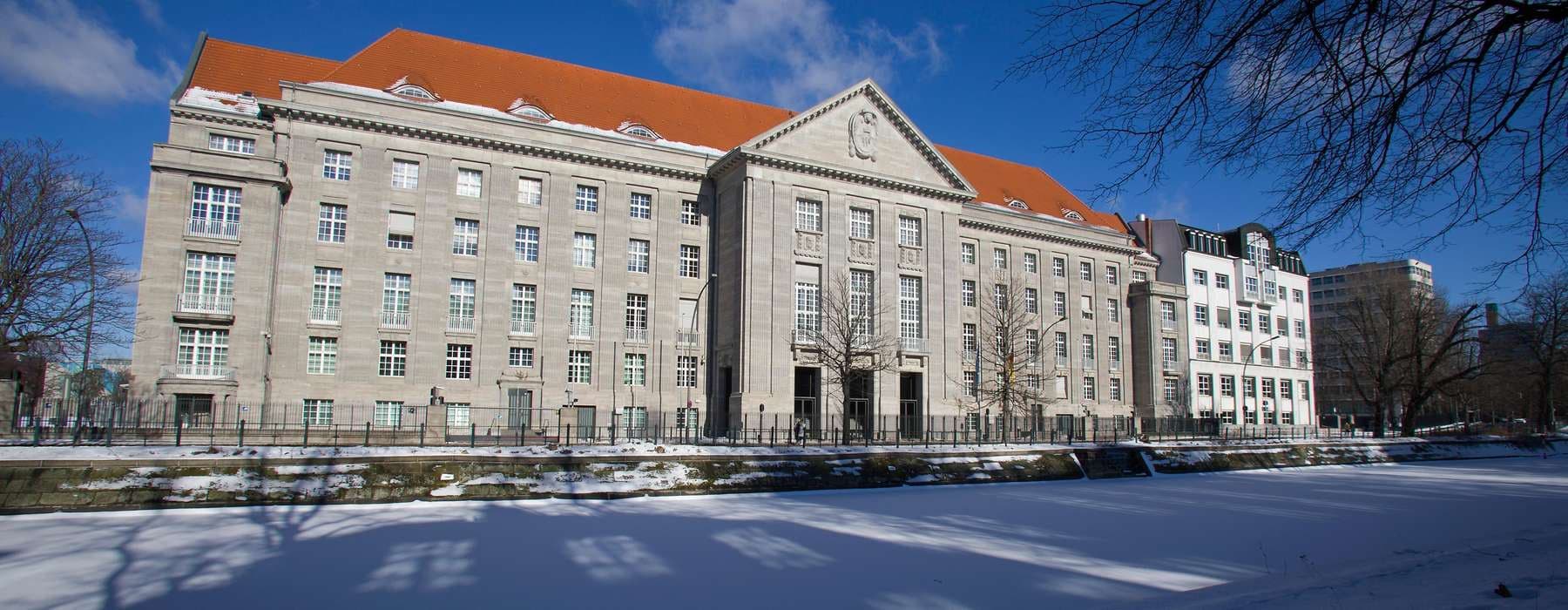
ERBIL, Kurdistan Region - The mandate of Germany’s armed forces in Iraq will continue for an additional five months, the German defense ministry confirmed to Rudaw on Thursday, citing the Islamic State’s (ISIS) diminished activity in the country. The ministry noted however that the group’s remnants continue to pose a threat in Iraq. In a statement to Rudaw, the ministry said that Germany’s federal parliament, the Bundestag, “In October 2024, extended the mandate for the German armed forces' contribution to the [North Atlantic Treaty Organization] NATO mission in Iraq and [US-led Global Coalition to Defeat ISIS] Operation Inherent Resolve” until January 31, 2026. While ISIS “has not held territorial control in Iraq since late 2017,” the ministry noted that its residual networks remain active and continue to pose a security risk across parts of the country. Germany's military involvement in the fight against ISIS began in August 2014, when it began supplying military equipment - including anti-tank missiles and assault rifles - to Kurdish Peshmerga forces. In October 2014, German troops were deployed to Erbil to train Peshmerga fighters, marking the beginning of Berlin’s operational presence in the region. Berlin is also a major contributor to the NATO Mission Iraq (NMI), launched in 2018 at the request of the Iraqi government. This non-combat advisory and capacity-building mission aims to bolster Iraqi security institutions so they can independently counter terrorism and prevent any resurgence of ISIS. Looking ahead, Germany’s defense ministry emphasized that “consolidating and expanding progress in stabilization and development will remain a key focus of German-Iraqi relations.” Beyond military support, Germany has provided substantial civilian assistance. The German foreign ministry in mid-August told Rudaw that Berlin has delivered over €3 billion in humanitarian, development, and stabilization aid to Iraq. According to the ministry, this includes €800 million ($933 million) in humanitarian aid and €2.6 billion ($3 billion) for stabilization programs between 2014 and 2022. These efforts have supported initiatives such as psychosocial services and rehabilitation programs for survivors of ISIS atrocities. With the overall situation in Iraq now considered “improved,” Berlin has announced a shift away from humanitarian assistance, choosing instead to focus on long-term development and energy security. “Germany is currently supporting Iraq in the area of development and is pushing forward with civilian projects. We want to accelerate the pace of economic development and ensure energy security,” the foreign ministry said. Kehy Mahmoud contributed to this report.
World26-10-2026UN official stresses Damascus’ duty to protect minorities after attacks on Kurdish returnees