
ERBIL, Kurdistan Region - International companies producing oil in the Kurdistan Region will receive crude oil instead of cash as part of their entitlements, according to a recent agreement that has yet to be finalized. Sources told Rudaw that the firms requested this form of payment to ensure the security of their revenues.
Kurdistan Region Prime Minister Masrour Barzani announced on Saturday that Baghdad has reached an agreement with international oil companies that could pave the way for the resumption of Kurdish oil exports that have been stalled since 2023.
Baghdad and International Oil Companies (OICs) have yet to officially comment on the deal but well-informed sources on Monday revealed parts of the agreement to Rudaw.
An amendment to the Iraqi budget law in early February set a temporary entitlement of $16 per barrel for production and transportation costs, to be paid to the oil producers until an international consultant determines the real value.
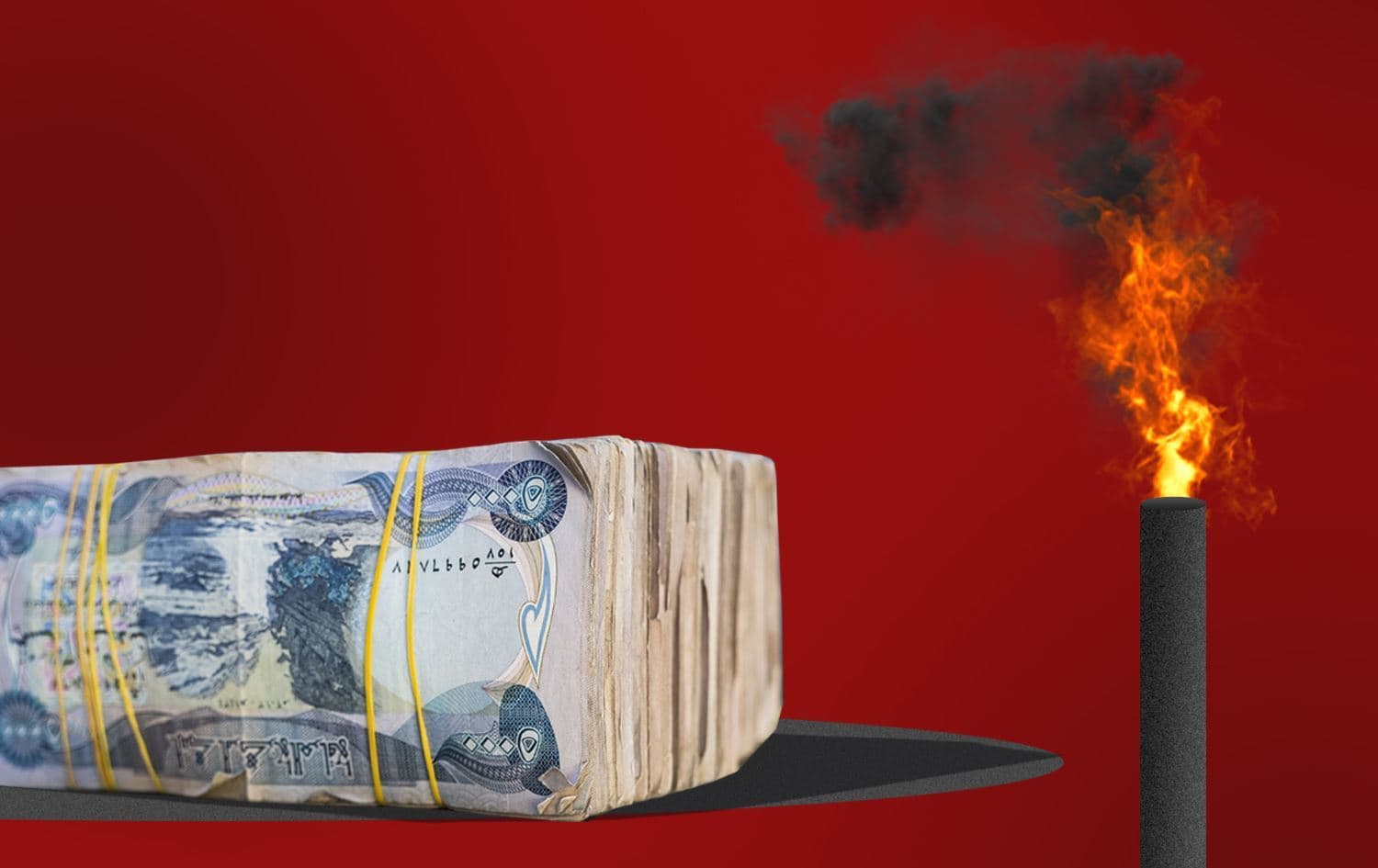
Two senior sources in Baghdad and one in the Kurdistan Region confirmed to Rudaw the latest deal between the companies and the Iraqi federal government stipulates that oil will be given to the producers instead of $16 per barrel entitlement.
Sources, speaking on condition of anonymity, cited two main reasons for designating oil as the form of financial entitlement for the companies. First, it provides a guarantee for the firms to secure their payments, as they fear potential delays if entitlements are paid in cash by Baghdad. Second, it helps alleviate pressure on Baghdad, which is reportedly facing cash shortages. Payments in US dollars could lead to further delays, making oil a more practical alternative.
Rudaw understands that the value of oil provided to companies in lieu of their financial entitlements will be calculated based on the oil price at Turkey’s Ceyhan port.
Oil exports from the Kurdistan Region through the Iraq-Turkey pipeline have been suspended since March 2023, when a Paris-based arbitration court ruled in favor of Baghdad that Ankara had violated a 1973 pipeline agreement when it allowed Erbil to begin exporting oil independently in 2014.
The Iraqi federal government and the Kurdistan Regional Government (KRG) have been locked in a long-running dispute over oil revenues and export rights. After months of negotiations, they have agreed that the KRG will deliver its oil to SOMO and keep some for domestic production.
Ali Nizar Faiq, director general of Iraq's State Oil Marketing Organization (SOMO), said on Tuesday that they had completed all preparations with companies purchasing oil produced in the Kurdistan Region.
Hastyar Qadir contributed to this article.