ERBIL, Kurdistan Region - The education of some 10,000 children in Syria’s southern Suwayda province has been disrupted due to recent intercommunal violence, a United Nations official told Rudaw earlier this week. While humanitarian aid is reaching the Druze-majority region, it remains insufficient, as intermittent blockades persist, war monitors say.
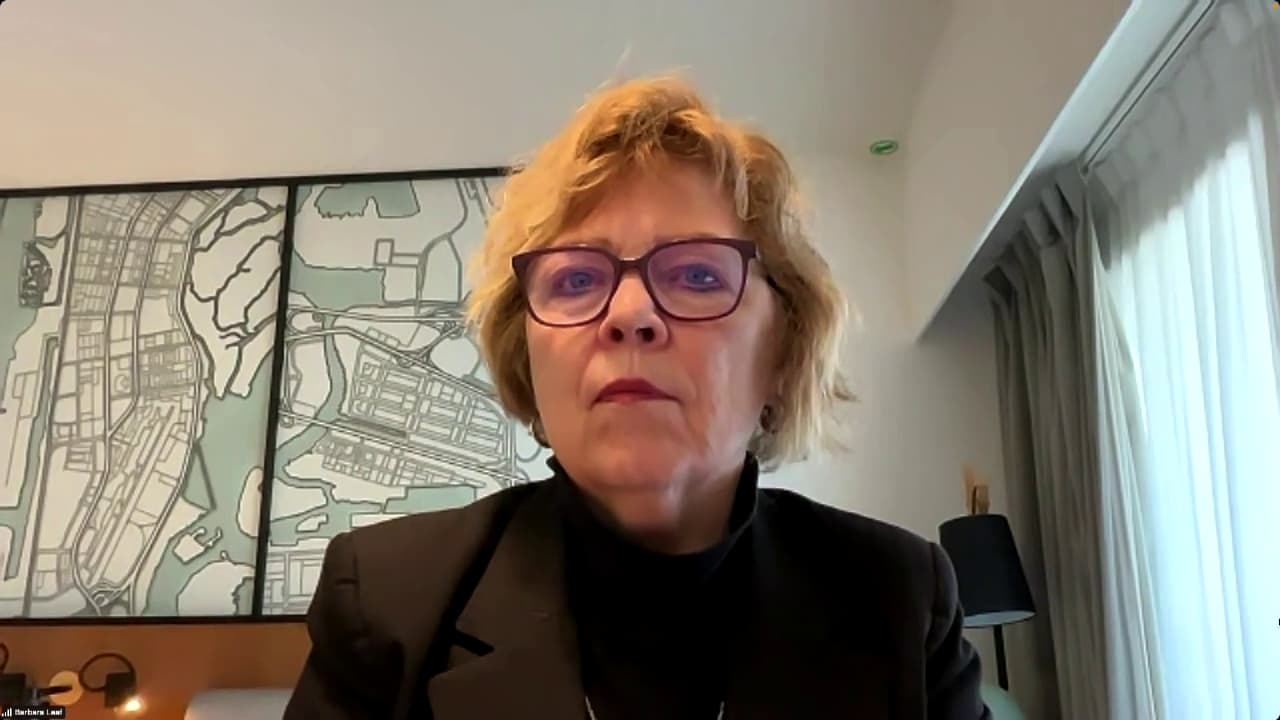
Mateo Frontini, Head of Field Operations and Emergency Response at the United Nations International Children's Emergency Fund (UNICEF), warned on Monday that while “10,000 children have missed their education” in Suwayda and “at least 15 schools” in the province are currently occupied by displaced persons.
“We are now working with the [Syrian] ministry of education and other UN agencies to find a solution so displaced people… can return to their communities” and allow “the children to go back to the school year,” Frontini said.
Clashes broke out in mid-July between Druze fighters and Sunni Bedouin tribes in Suwayda. The conflict escalated further with the involvement of Syrian government forces before a ceasefire was announced on July 19.
According to the Syrian Observatory for Human Rights (SOHR), a UK-based war monitor that relies on a network of sources within Syria, the death toll from the Suwayda violence nearly reached 2,000 by late August. This included around 765 Druze civilians who were “executed in the field by defense and interior ministry forces,” it added.
Around that time, Suhair Zakkout, Middle East spokesperson for the International Committee of the Red Cross (ICRC), told Rudaw the Suwayda violence had displaced over 192,000 people, with at least 58,000 fleeing to neighboring Daraa province.
Frontini, who spoke to Rudaw from Damascus, noted on Monday that UNICEF is currently “collecting information about the children affected by malnutrition” in Suwayda and has, along with the ICRC and the Syrian Arab Red Crescent (SARC), dispatched “at least 15 convoys” of “nutrition and medical supplies” in an immediate response.
However, “this is not enough,” he affirmed, emphasizing the importance of restoring commercial access from Damascus to Suwayda to allow private sector actors and other supporters to start “bringing in food and bringing the supplies.”
UNICEF is currently assessing “several water wells and systems that have been impacted” by the violence, Frontini said, emphasizing that access to clean water is "fundamental" and that “thousands of children have been impacted” by it.
SOHR reported in late August that “residents of Suwayda are facing a severe food crisis, compounded by a blockade that had lasted for over a month.” Although aid trucks enter on a near-daily basis, “the supplies are insufficient to meet people’s daily needs,” the war monitor said, adding that some are “forced to reduce their meals or rely on lower-quality food items” to survive.
SOHR additionally relayed that the “18 wells that used to supply Suwayda with water have been destroyed” in the mid-July violence, “leading to a severe water crisis.”
Frontini concluded that the international community is pursuing a dual-track approach in Suwayda and the whole of Syria that combines humanitarian response with long-term development. “Reconstruction and recovery” is “for the best of the children” and “key for the future and the stability of the country and the region,” he emphasized.