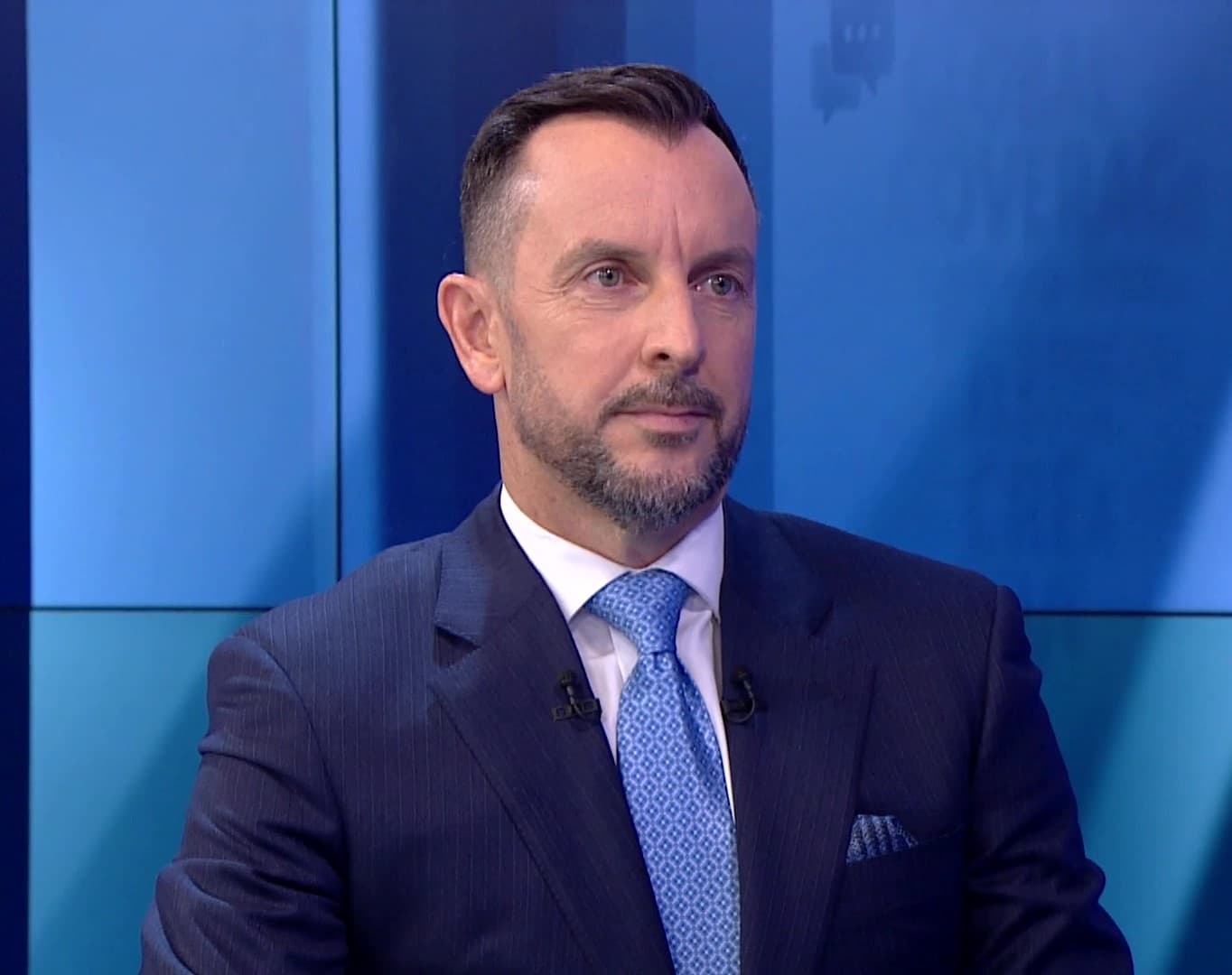
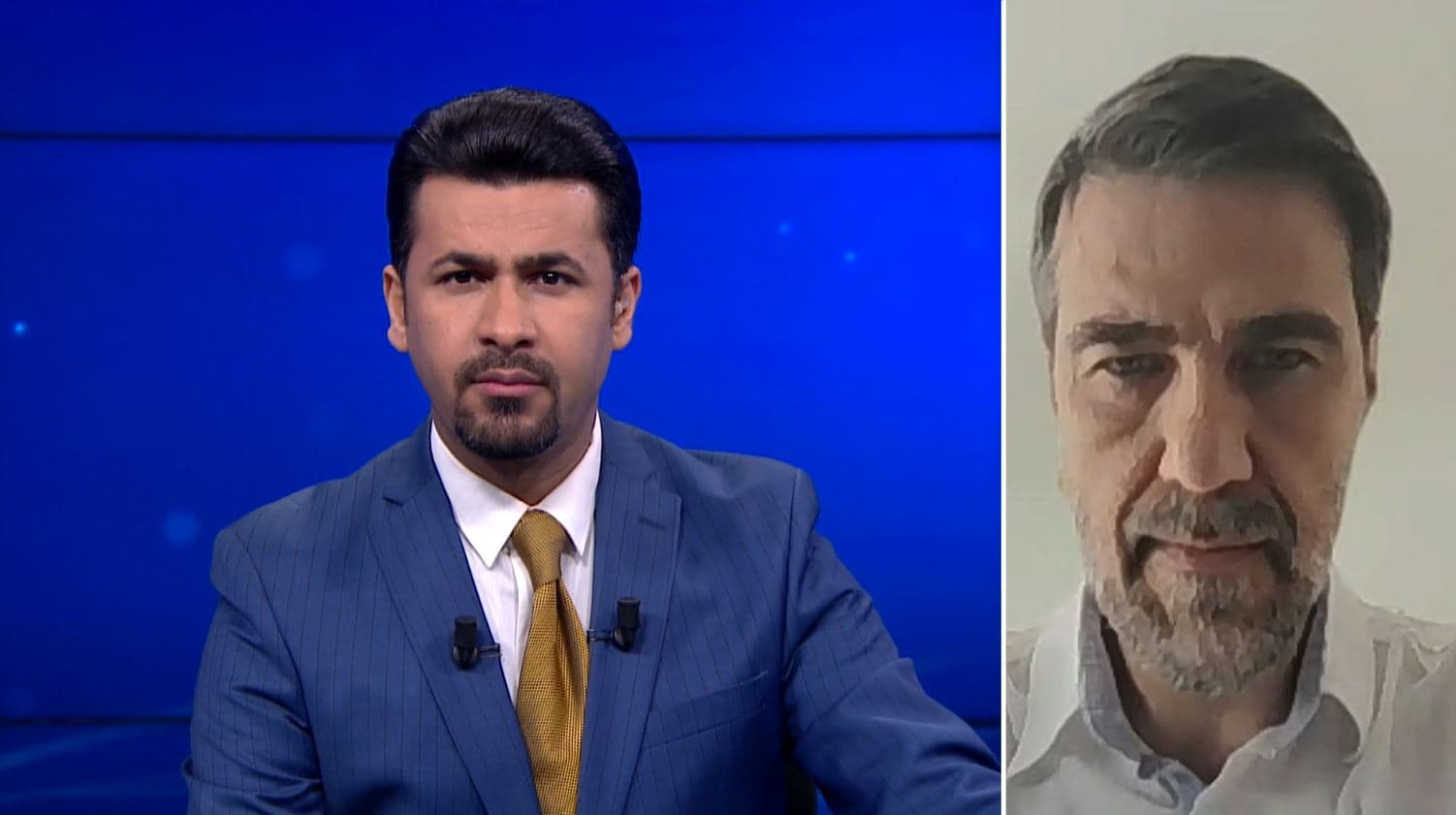
ERBIL, Kurdistan Region - Mazloum Abdi, commander-in-chief of the Syrian Democratic Forces (SDF), said the United States has committed to supporting the implementation of a January 29 agreement with Damascus, adding that the group is awaiting US President Donald Trump to fulfill his “promise” by establishing a guarantee mechanism to ensure the deal is implemented and monitored.
Abdi’s remarks followed a meeting on the sidelines of the Munich Security Conference that included US Secretary of State Marco Rubio, Syrian Foreign Minister Asaad al-Shaibani, and Ilham Ahmed, co-chair of foreign relations for the Democratic Autonomous Administration of North and East Syria (DAANES).
In an interview with Rudaw, Abdi said talks with Rubio centered on counterterrorism, the future of northeast Syria (Rojava), and the implementation of a late January agreement reached with the interim Syrian government.
“They [US delegation] said they are committed to implementing this agreement. We requested guarantees from them. They said there should be a guarantee mechanism to ensure the agreement is implemented and monitored. They also said this is one of President Trump’s priorities, and we are waiting for President Trump to fulfill his promise,” Abdi said.
An internationally brokered ceasefire that halted January’s hostilities between the SDF and Damascus-affiliated armed groups which outlines the gradual integration of DAANES institutions, which govern the Kurdish enclave, into Syrian state structures.
“Today’s meeting was important - very important,” Abdi said, adding that discussions focused on “how to constitutionally guarantee Kurdish rights and preserve Kurdish identity,” as well as securing international oversight for the deal. He said the US side framed the process as part of broader efforts to stabilize Syria and integrate the SDF into state structures.
Abdi said negotiations with Damascus are increasingly being conducted jointly, describing the meeting alongside Shaibani and Rubio as “a positive step.”
On governance, he said the focus is not on formal autonomy but on allowing Kurdish regions to manage their own administrative, military, and security affairs, with Kurdish rights enshrined in Syria’s constitution.
Regarding security arrangements, Abdi said the SDF would integrate into the Syrian Arab Army as regional brigades tied to areas including Qamishli, Kobane, Hasaka, and al-Malikiyah (Derik).
Abdi credited the Kurdistan Region with facilitating his participation in Munich, singling out Kurdistan Region President Nechirvan Barzani for what he described as a “very positive role” in mediation and diplomacy. He said the meetings mark “the beginning of a new phase for Western Kurdistan [northeast Syria, Rojava,” adding that further talks with international officials are planned.
The following is a full transcript of the interview with Mazloum Abdi:
Rudaw: General Mazloum Abdi, thank you very much for this interview. You said you had several important meetings today, including one with US Secretary of State [Marco Rubio]. What did you discuss, and what did he say regarding Western Kurdistan [Rojava] and the SDF?
SDF Commander Mazloum Abdi: Today’s meeting was important - very important. We broadly discussed the fight against terrorism and the issues we’ve faced. They thanked us for our efforts. We also talked about how to move forward in the future. For example, we discussed how to implement the January 29 agreement [with Damascus] and how it should be carried out. Most importantly, we talked about how to constitutionally guarantee Kurdish rights and preserve Kurdish identity.
We also shared our views on ensuring that this agreement receives international guarantees, particularly from the United States. The US Secretary of State said this is among President Trump’s priorities - finding a solution for stability in Syria, implementing this agreement, and establishing a proper integration between the Syrian Democratic Forces and the Syrian state, while ensuring oversight. Overall, I can say the meeting had positive outcomes.
Will Western Kurdistan [Rojava] have autonomy or a decentralized government?
No. We broadly focus on the specific conditions of the Kurdish regions. This is included and discussed in the January 29 agreement. Kurdish regions, administratively, militarily, and even security-wise, should manage themselves. Of course, the rights of the Kurdish people, Kurdish identity, and Kurdish culture must be enshrined in the Syrian constitution. There has been progress on this.
Will the negotiations with Damascus be conducted jointly? Will there be a joint delegation?
In fact, today this happened for the first time. The Syrian Foreign Minister was there, we were there, and Ilham Ahmed from the Autonomous Administration (Rojava) was also there. Together, as a Syrian delegation, we met with the US Secretary of State. I believe this is a positive step.
How important was your visit to Munich - including [Kurdistan Region President] Nechirvan Barzani’s support for you to attend and participate in the Munich Security Conference and meet with international officials?
The Kurdistan Regional Government, and especially President Nechirvan Barzani, provided significant support, for which I am grateful. I believe these meetings held here, and our presence here, mark the beginning of a new phase for Western Kurdistan.
How will the SDF integrate into the Syrian Arab Army?
It will integrate as brigades in several units. Each Kurdish region - Derik, Qamishli, Kobane, and Hasaka - will have its own brigade. They will participate as brigades, and the SDF’s military institutions will become part of the Syrian Army’s institutions.
What did the United States promise today? Did they provide any guarantees?
In general, they said they are committed to implementing this agreement. We requested guarantees from them. They said there should be a guarantee mechanism to ensure the agreement is implemented and monitored. They also said this is one of President Trump’s priorities, and we are waiting for President Trump to fulfill his promise.
My final question: How important was the role of Kurdistan Region President Nechirvan Barzani in negotiating and mediating with the Syrian government? And how important was your visit to Munich?
Overall, the Kurdistan Region has played a major role - President Nechirvan played a very positive role through his diplomatic contacts in many situations during the most recent conflict and amid efforts to stop the fighting. Of course, we appreciate his efforts.
Do you have other meetings?
Yes, there are many more meetings scheduled.
General Mazloum Abdi, thank you very much for being with us. Thank you for speaking to Rudaw from Munich.
Thank you.