ERBIL, Kurdistan Region - Jordan is assessing the possibility of facilitating Iraqi oil exports through its territory, the country’s energy ministry said Friday, as Baghdad seeks alternative routes to export crude amid ongoing trade disruptions.
"Currently, there is no oil export from Iraq to Jordan, but we have been contacted by several parties to discuss the possibility of exporting black oil and crude oil through Jordanian territory,” spokesperson of Jordan’s energy ministry, Linda al-Abbadi, told Rudaw in a statement. She added that technical investigations are being conducted to determine the export volume and the capacity of Jordanian ports to receive it, after which a final decision will be made.
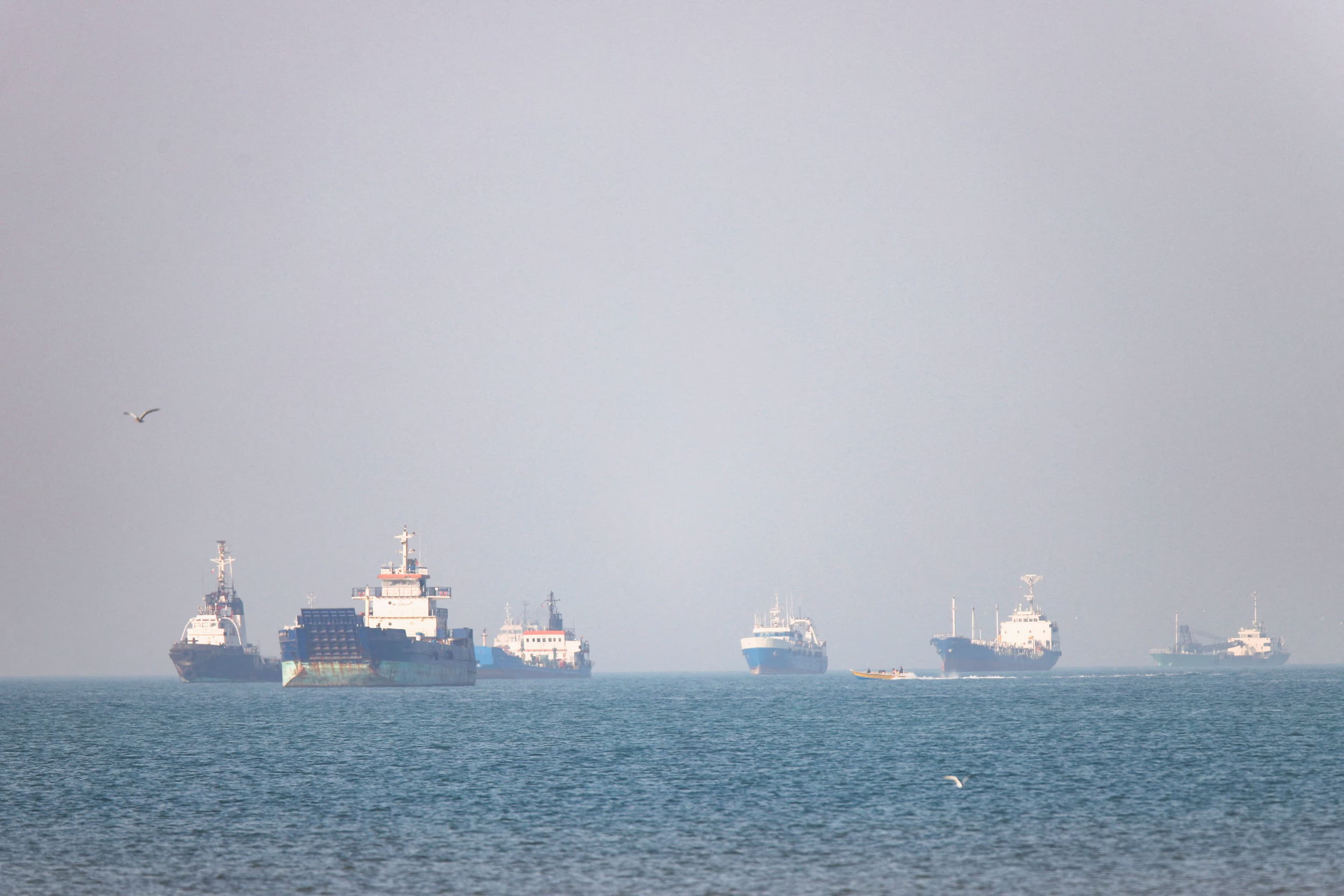
Baghdad’s exports have largely been halted since Iran effectively closed the strategic Strait of Hormuz following the war with the US and Israel on February 28. Since then, the federal government has been scrambling to find alternative routes to export its crude, which accounts for around 90 percent of the country’s revenues. Despite an ongoing ceasefire between Washington and Tehran, traffic remains restricted through the waterway.
Jordan has only one port, Aqaba, located on the northern part of the Red Sea.
Sahib Bazoun, head of the media and relations department at Iraq’s oil ministry, told Rudaw on Friday that the ministry has requested Jordan to allow Iraqi oil exports through its territory via tankers.
In mid-March, Iraqi oil minister Hayan Abdul Ghani told Rudaw that Baghdad had decided to transport oil from Basra province’s Zubair-1 oil and gas facility to Jordan and Syria via tankers, amounting to 150,000 barrels per day.
Around that time, Iraq resumed oil exports through the Kurdistan Region’s pipeline to Turkey after a three-year halt caused by a ruling from a Paris-based arbitration court that had suspended the Region’s shipments.
In late March, Iraq officially began exporting oil via Syria by tanker through the al-Waleed border crossing, Imad al-Dulaimi, mayor of Rutba district in western Anbar province, where the crossing is located, told Rudaw at the time.
Before the war, Iraq exporting around 3.4 million barrels of oil per day. With southern routes offline, the country is now relying on northern corridors through Turkey and Syria to sustain its oil exports.
Malik Mohammed contributed to this report from Erbil, Kurdistan Region.