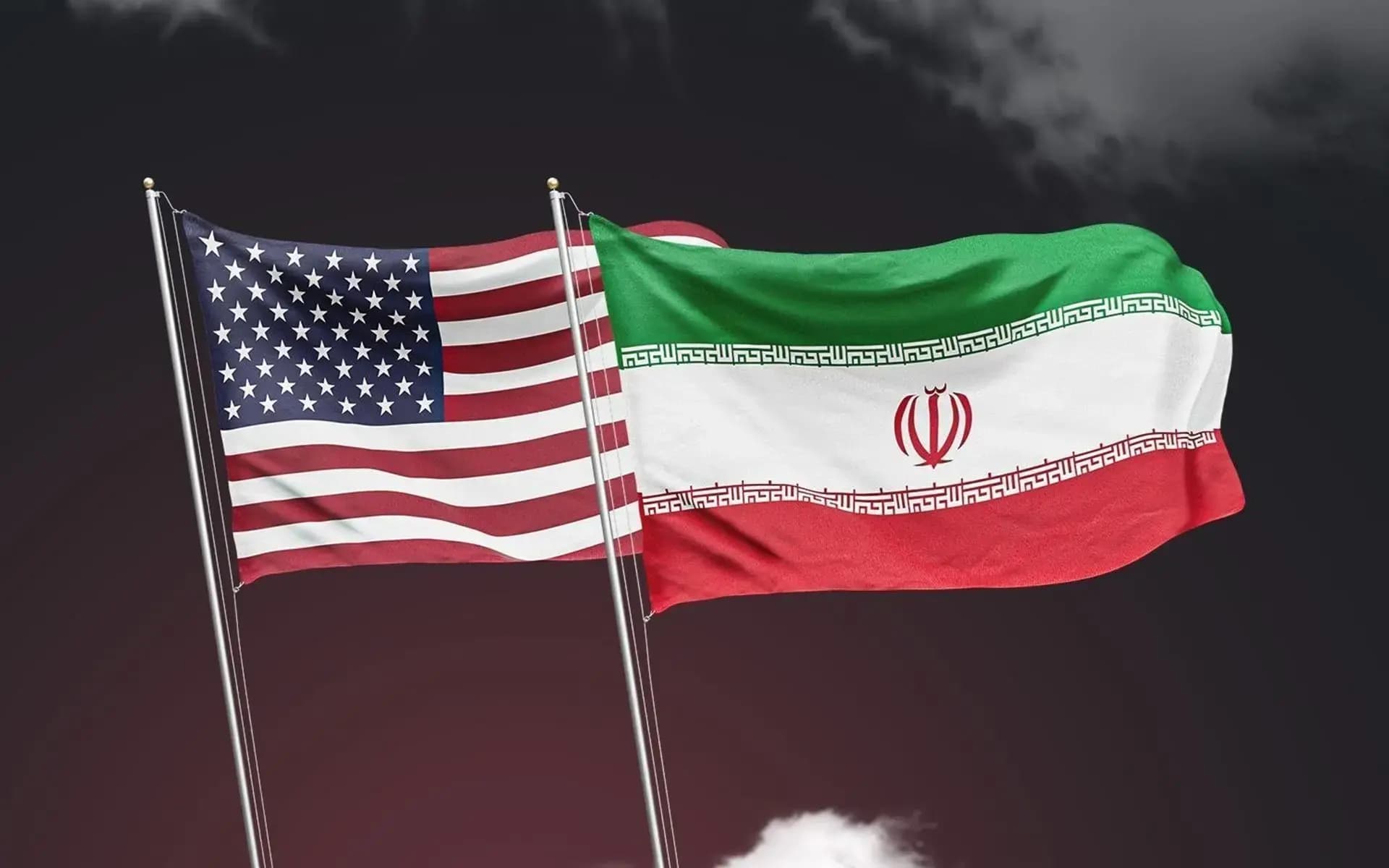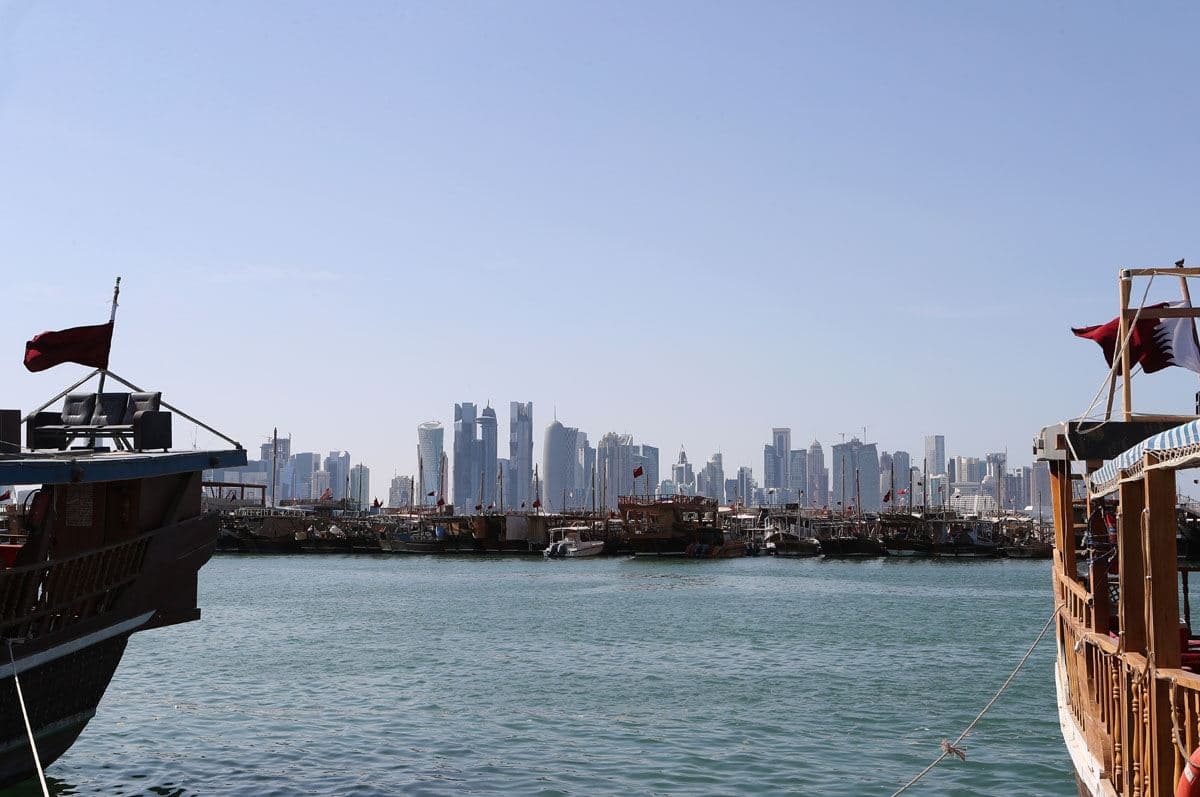
ERBIL, Kurdistan Region - A commercial vessel was struck by an “unidentified projectile” near Qatar, the British maritime security monitor said on Sunday, as Qatar’s defense ministry later stated that a vessel coming from Abu Dhabi was “targeted by a drone.” The incident comes amid escalating tensions between Iran and the United States in the Persian Gulf.
The United Kingdom Maritime Trade Operations (UKMTO) said it received a report of “an incident 23nm [nautical miles] northeast of Doha, Qatar,” in which “the master of a bulk carrier” reported being “hit by an unknown projectile,” causing “a small fire that has been extinguished.”
“Authorities are investigating,” the monitor added, advising vessels to “transit with caution and report any suspicious activity to UKMTO.”
The Qatari defense ministry later said in a statement that “a commercial cargo vessel in the country’s territorial waters - northeast of Mesaieed Port - coming from Abu Dhabi, was targeted by a drone on Sunday morning.”
“The incident resulted in a limited fire onboard the vessel, with no reported injuries,” the ministry added, noting that the vessel “continued its journey toward Mesaieed Port after the fire was brought under control” and that “the necessary measures were taken, and coordination was carried out with the relevant authorities.”
Earlier on Sunday, the Islamic Revolutionary Guard Corps (IRGC)navy command said that “any aggression toward Iranian oil tankers and commercial vessels will result in a heavy assault against one of the American centers in the region and enemy ships,” according to the state-run Islamic Republic News Agency (IRNA).
The outlet added that the IRGC navy on Friday “opened fire on US military destroyers” in response to what it described as “a ceasefire violation and an aggressive act by the US military against an Iranian oil tanker near the country’s southern port of Jask.”
The incident followed the approach of US destroyers toward the Strait of Hormuz, IRNA said, adding that, during a “highly coordinated operation,” the IRGC targeted the American destroyers “using a range of anti-ship ballistic and cruise missiles, as well as explosive-laden drones.”
Meanwhile, Ebrahim Zolfaghari, spokesperson of the Khatam al-Anbiya Central Headquarters - which oversees Iran’s wartime operations - stated that henceforth “countries that comply with the United States in imposing sanctions against the Islamic Republic of Iran will definitely face problems in passing through the Strait of Hormuz,” as cited by the IRGC-affiliated Tasnim agency.
The escalation comes as CENTCOM said on Saturday that “the U.S. naval blockade against Iran continues to be fully enforced,” adding that as of that day, its forces had “redirected 58 commercial vessels and disabled four” since the blockade was initiated on April 13, in order “to prevent ships from entering or leaving Iranian ports.”
The latest incident occurred on Friday, when US forces disabled two Iranian-flagged oil tankers - the Motor Tanker (M/T) Sea Star III and M/T Sevda - after they attempted to enter an Iranian port via the Gulf of Oman in violation of the blockade, according to CENTCOM.
The US and Israel launched a wide scale aerial campaign against Iran on February 28, striking more than 17,000 sites across the country over six weeks of hostilities before the sides agreed to a Pakistan-mediated ceasefire on April 8. The truce halted fighting for two weeks and paved the way for negotiations.
While the first round of talks concluded without a final agreement on April 11, a second round has yet to take place, with a comprehensive resolution to the conflict still pending.
In parallel with the diplomatic efforts, Iran and the US have engaged in tit-for-tat maritime measures. Tehran has tightened its grip on shipping in the Strait of Hormuz, while Washington initiated a maritime blockade on Iranian ports in mid-April.