
ERBIL, Kurdistan Region - Iraq has requested the repatriation of 36 families with suspected ties to the Islamic State (ISIS) from the notorious Roj camp in northeast Syria (Rojava). However, the families have reportedly refused, citing fears of retaliation, a senior Iraqi official said.
Speaking to Rudaw on condition of anonymity, the official stated that while 46 Iraqi families have been brought back from the camp so far, 38 others remain in the camp, adding that “their return requires security screening and procedures by Iraq's security agencies.”
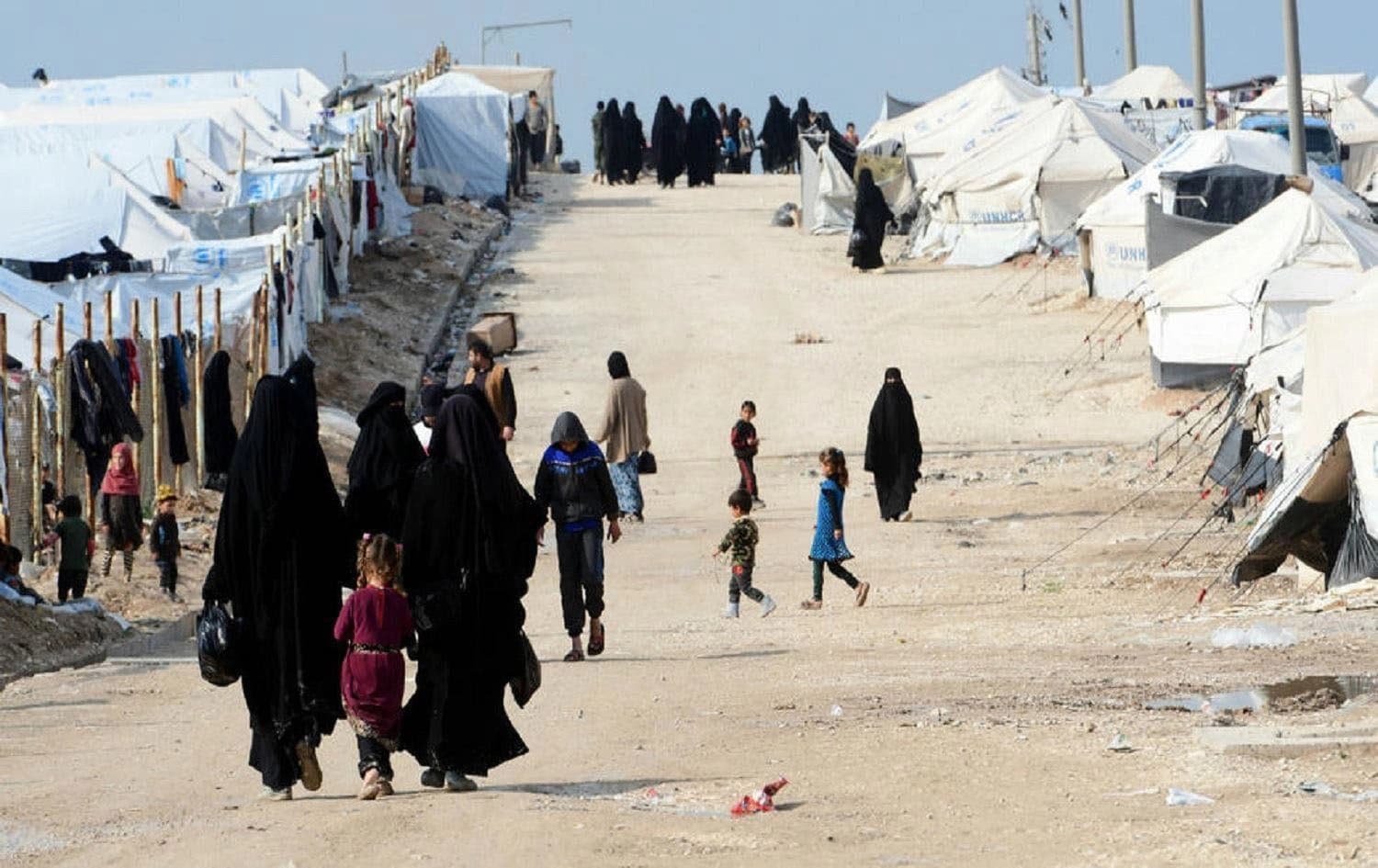
Roj camp houses nearly 2,600 people, including around 900 women believed to be ISIS militants’ wives. Most of the Iraqi families there are originally from Mosul, once the de facto capital of ISIS in Iraq, according to Mohammed Kakei, head of Nineveh province’s security committee.
Despite this, returnees are not expected to resettle in Nineveh. Instead, they will be relocated to Baghdad to undergo rehabilitation.
Sheikhmous Ahmed, the official responsible for displaced persons and refugee camps in Rojava, told Rudaw that “the Iraqi families in Roj camp refuse to return due to fears of retaliation from armed groups” or prosecution by Baghdad. He also noted that some Iraqi families have left the camp for third countries.
The repatriation of individuals linked to ISIS remains controversial in Iraq.
While some communities are open to reintegrating family members not directly involved in crimes, others oppose the return of any individuals associated with the group. ISIS committed widespread atrocities in Iraq from 2014 to 2017.
Thousands of suspected ISIS affiliates remain in al-Hol and al-Roj camps, both under the control of the Kurdish-led Syrian Democratic Forces (SDF) in Rojava. Al-Hol is significantly larger, housing nearly 35,000 people as of April - over 15,000 of whom are Iraqi.
Under a January 11, 2025 agreement, the SDF agreed to hand over 200 ISIS fighters to Iraqi authorities and facilitate the return of three convoys of Iraqi families. Baghdad aims to repatriate all Iraqi nationals from camps in Rojava by 2027.
Hastyar Qadir contributed to this report