ERBIL, Kurdistan Region - The United Arab Emirates said on Tuesday it would leave the Organization of the Petroleum Exporting Countries (OPEC) and the wider OPEC+ alliance effective May 1, state media reported, noting that the decision followed an “extensive review” of Abu Dhabi’s production policy and its current and future capacity.
The state-run Emirates News Agency (WAM) said the decision “reflects the UAE’s long-term strategic and economic vision and its evolving energy profile, including accelerated investment in domestic production,” and underscores the country’s “commitment to remaining a responsible, reliable, and forward-looking player in global energy markets.”
It added that the move followed “a comprehensive review of the UAE’s production policy and its current and future capacity,” and is grounded in “national interest and a commitment to effectively meeting the market’s pressing needs.”
“The time has come to focus on what our national interest requires, alongside our obligations to investors, customers, partners, and global energy markets,” Abu Dhabi said.
OPEC is a permanent intergovernmental organization of 12 oil-exporting nations that coordinates petroleum policies to stabilize markets, while OPEC+ is a larger alliance that includes the original members plus 10 non-OPEC countries, most notably Russia, to exert greater control over global oil supply.
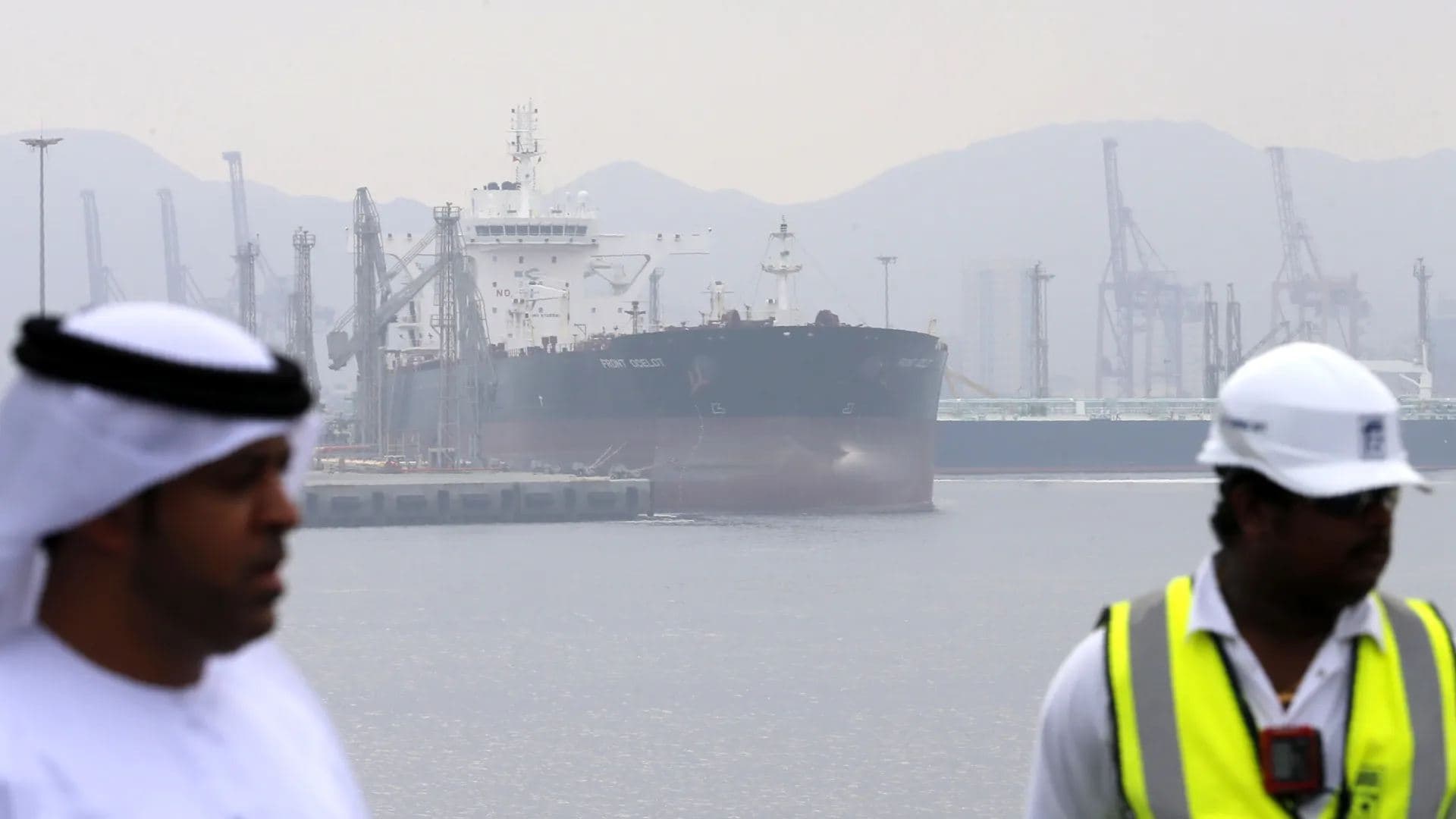
The UAE’s decision comes against a backdrop of fragile maritime security in the region, marked by escalating tensions in the Strait of Hormuz, which handles over 25 percent of global seaborne oil trade and around 20 percent of the world’s liquefied natural gas (LNG) shipments.
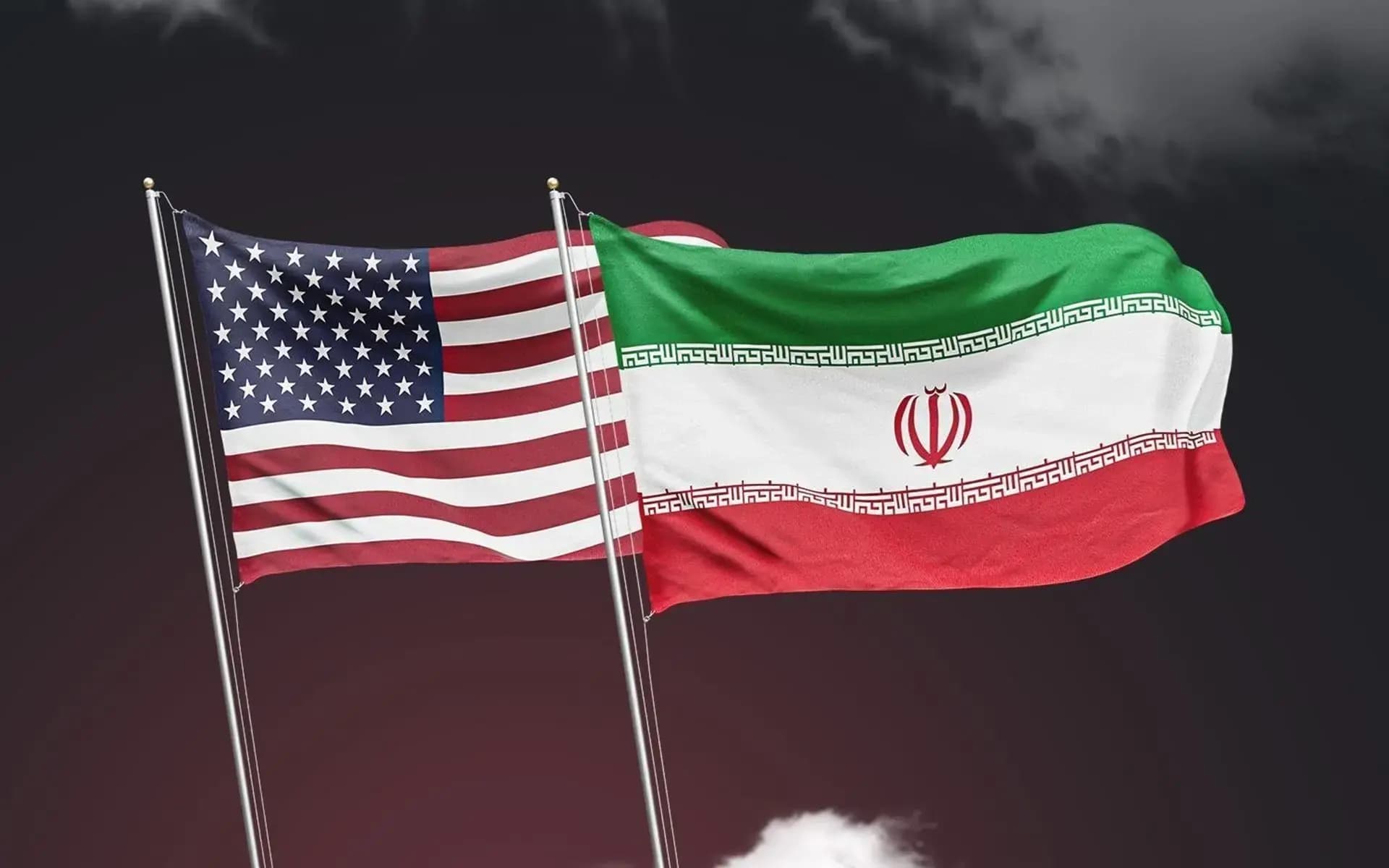
The United States and Israel launched a widescale air campaign against Iran on February 28, targeting more than 17,000 sites across the country over six weeks of hostilities.
In response, Tehran carried out drone and missile strikes across the Middle East, targeting alleged US assets - particularly in Gulf Arab states - as well as launching retaliatory attacks against Israel.
Abu Dhabi’s defense ministry reported in early April that it had intercepted nearly 2,900 aerial threats launched by Iran against its territory during the six-week war, killing more than a dozen people and injuring over 220 others in the country.
The US and Iran later agreed to a Pakistan-mediated ceasefire on April 8, halting fighting to allow space for talks.
While the first round of discussions ended without a final agreement on April 11, Islamabad has in recent weeks stepped up efforts to facilitate a second round of talks between American and Iranian negotiators, though these efforts have yet to yield tangible results.
Further complicating the situation are tit-for-tat maritime restrictions in the Strait of Hormuz, where Iran has tightened controls on shipping, while the US has enforced a naval blockade targeting vessels linked to Iranian ports.
Amid the escalation in the Strait, the UAE’s oil production was affected, dropping from its pre-war level of 3.6 million barrels per day (bpd) to approximately 1.89 million bpd in March 2026, according to OPEC's Monthly Oil Market Report.
Despite this, Abu Dhabi noted on Tuesday that “while near-term volatility, including disruptions in the Arabian Gulf and the Strait of Hormuz, continues to affect supply dynamics, underlying trends point to sustained growth in global energy demand over the medium to long term.”
The UAE further stated that, despite its withdrawal from OPEC and OPEC+, it values its “more than five decades of cooperation with its partners” and reaffirmed its “commitment to global market stability,” adding that “its production policy will remain guided by responsibility and market stability, with any additional output introduced gradually and in line with demand and prevailing market conditions.”