
ERBIL, Kurdistan Region - Iraq’s National Security Council has formally banned all political, media, and social activities of Iranian opposition parties and movements operating within its territory, including the Kurdistan Region, Iranian media reported on Friday.
State-owned media outlets, including Mehr News Agency and IRNA, reported the development citing a document from the Iraqi prime minister’s office. Iraqi officials have not publicly confirmed the ban.
According to the media reports, the decision was made during the National Security Council’s session on April 23, following a presentation by National Security Advisor Qasim al-Araji and based on a confidential directive from the prime minister’s office.
The directive states that “all executive authorities shall implement this decision in accordance with the law” for the year 2025.
Tehran has accused Iranian Kurdish opposition groups based in the Kurdistan Region - namely the Kurdistan Democratic Party of Iran (KDPI), Komala, Free Life Party of Kurdistan (PJAK), and the Kurdistan Freedom Party (PAK) - of fueling Iran’s nationwide protest movement in 2022 and inciting unrest. The groups, struggling for greater rights for Iran’s marginalized Kurdish population, have fought an on-and-off war with the Islamic Republic for decades.
A member of Komala said they have been ordered to vacate their offices and move into a camp.
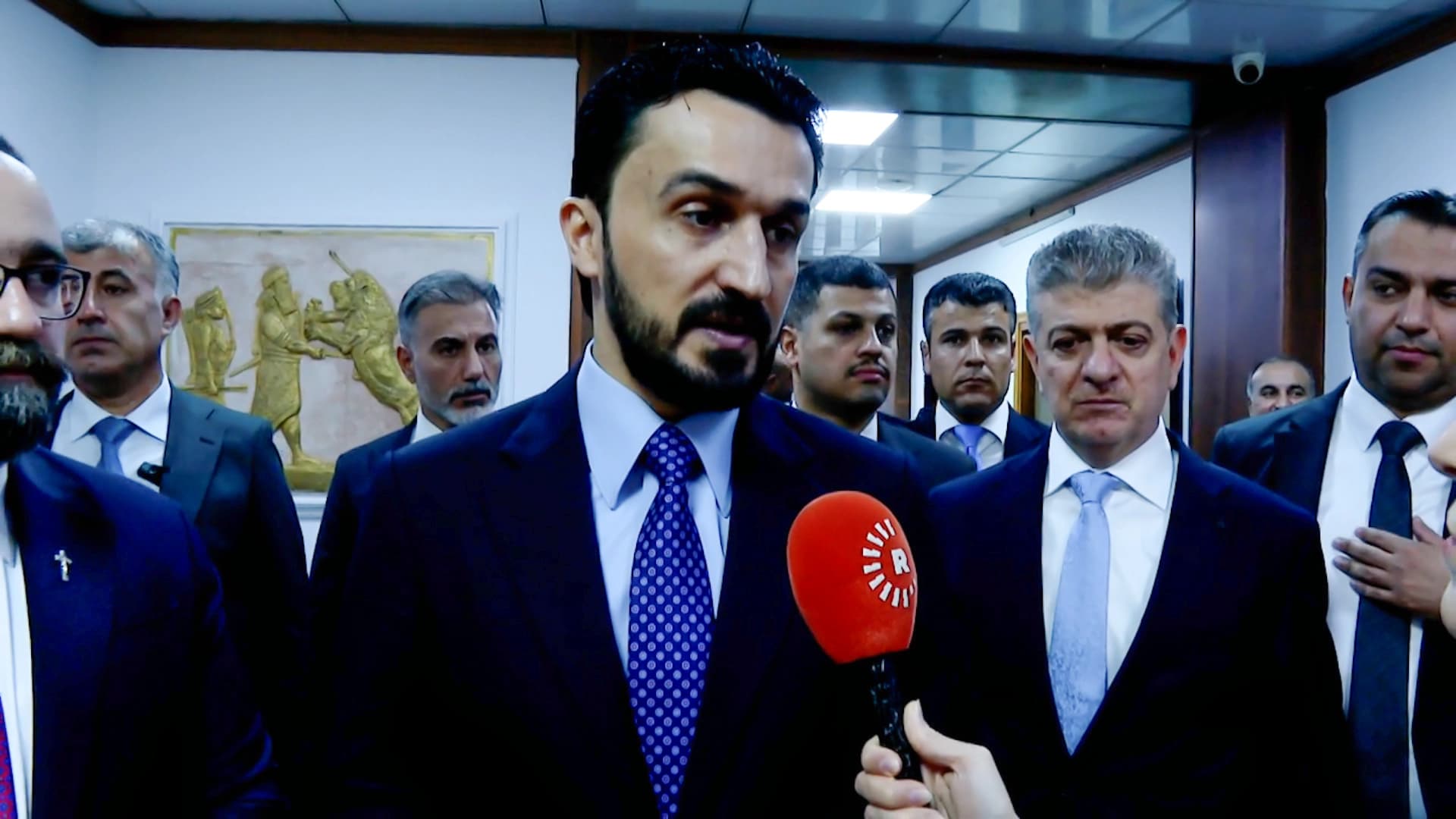
“We were asked to evacuate our headquarters in Zrgwez, Bana Gawra, Zrgwezala by today, May 1st,” Amjad Hussein Panahi told Rudaw on Thursday.
He said that the deadline was extended to the 10th after Komala objected.
Panahi said that Komala has been based in the area for 35 years and expressed willingness to move, but said it cannot be rushed and hundreds of families require support relocating.
“We have a lot of belongings in our current headquarters. We can't just leave all these belongings. A suitable place must be designated elsewhere for the Peshmerga and their families,” Panahi said.
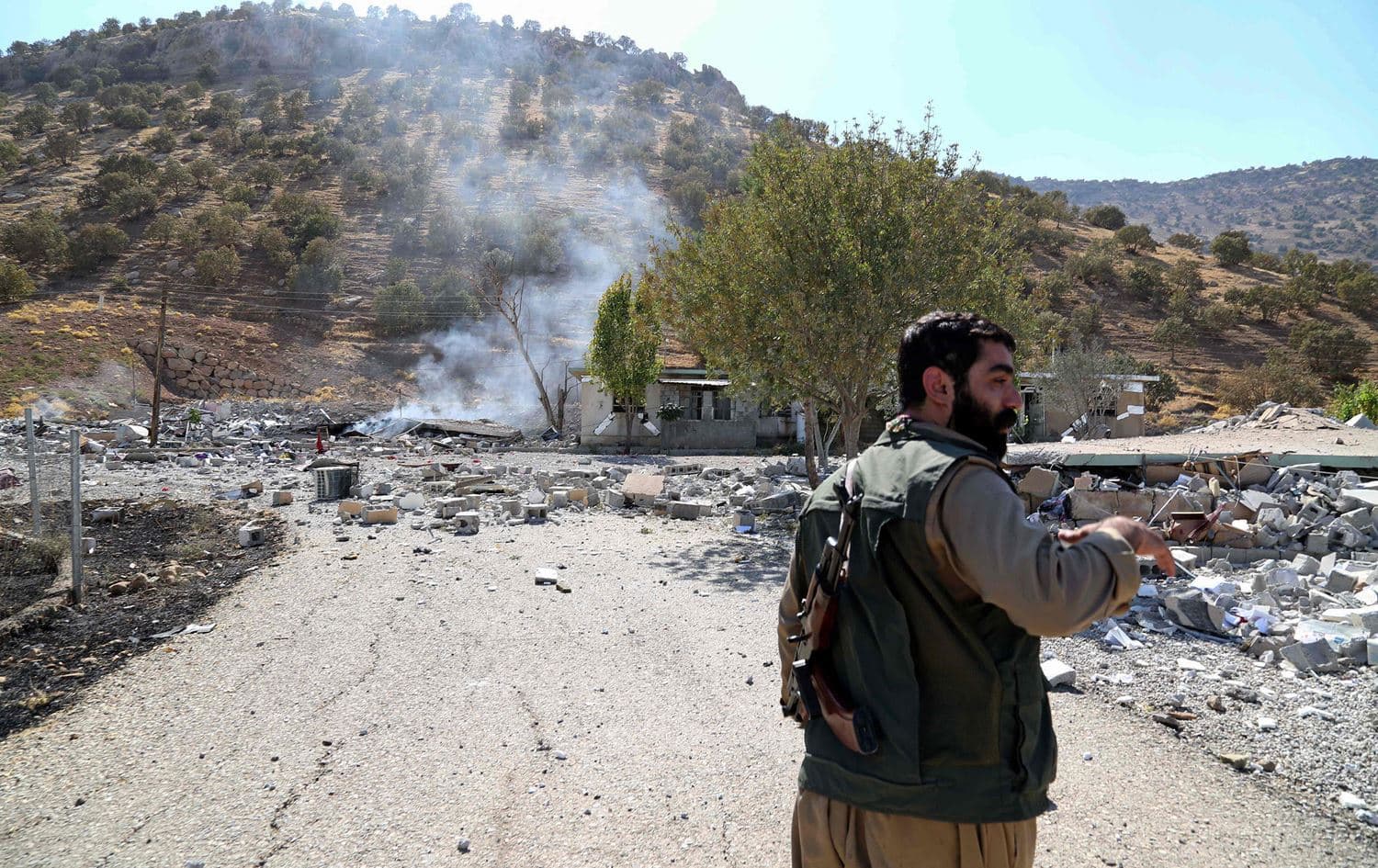
In 2023, Iraq and Iran signed a security pact that saw Baghdad agree to disarm Kurdish opposition groups and secure the border regions. Iran had threatened to use military action if Baghdad failed to fulfill the agreement.
Under that agreement, the Kurdish opposition groups were largely moved to the city of Koya in southeastern Erbil province.
Iran has long accused the Kurdistan Regional Government (KRG) of harboring opposition groups it considers threats to its national security and allowing them to use the border areas as a launchpad for attacks. The Kurdistan Region has categorically rejected Tehran's accusations.
Iranian Consul General to Erbil Faramarz Asadi told Rudaw in February that two or three phases of the Iran-Iraq security agreement had been implemented, while “others are proceeding slowly.”
.png&w=3840&q=75)