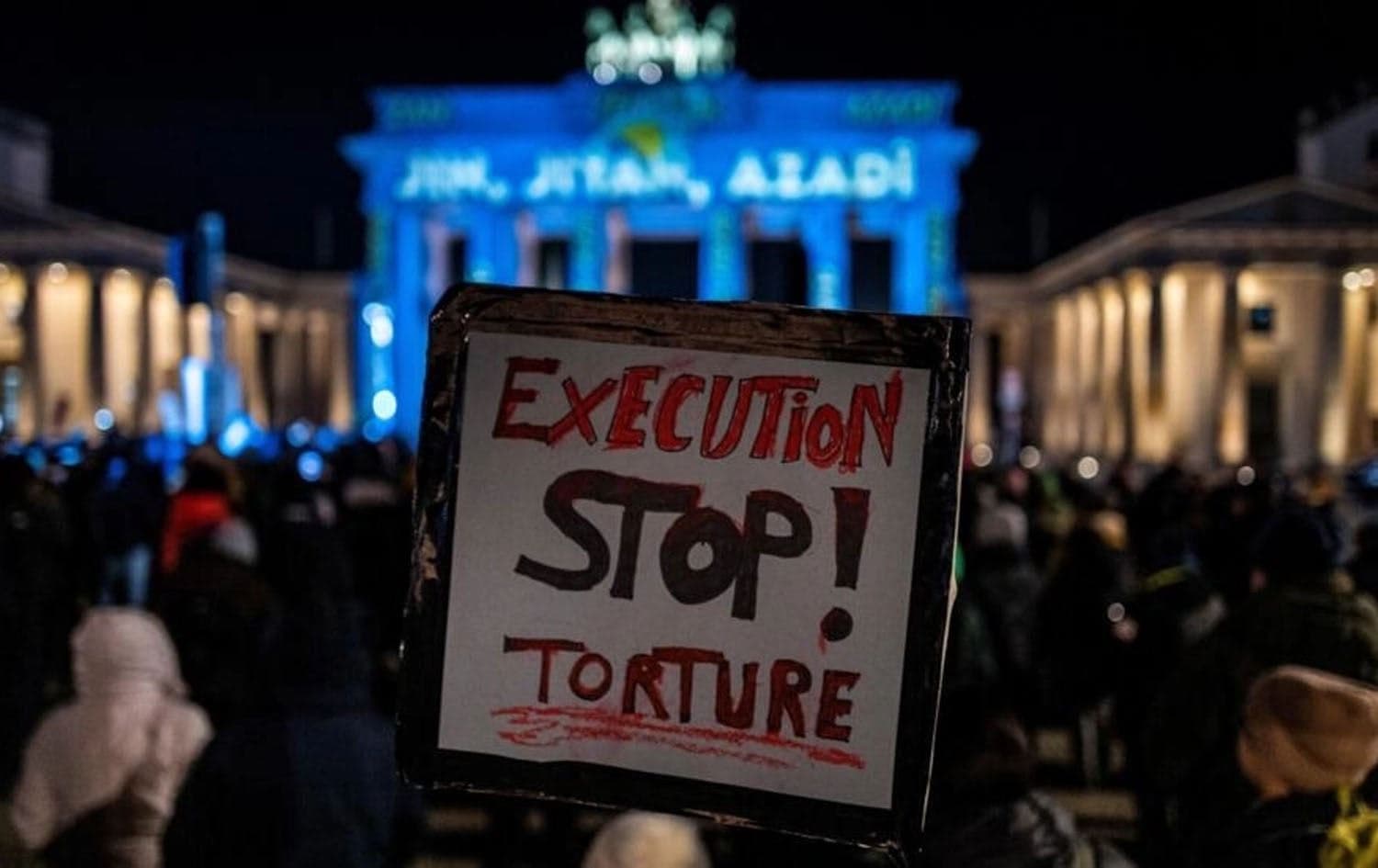

ERBIL, Kurdistan Region - Over 350 people were executed in the first six months of 2023 in Iran, mostly for drug-related charges, a human rights monitor reported on Monday.
“At least 354 people including six women were executed in the first six months of 2023,” read the report from the Norway-based Iran Human Rights (IHR).
IHR says that 206 of the executions were for drug-related charges in “a 126% rise compared to the same period last year.”
The Oslo-based organization also reported that 71 (20 percent) of those executed were from the Baluch minority.
Baluchis are a mainly Sunni ethnic minority in Iran, living predominantly in the southeastern Baluchestan region, near the border with Pakistan. The region was also heavily targeted during the Islamic Revolutionary Guard Corps (IRGC) violent crackdown on September's nationwide protests. Hundreds of Baluchis were killed by the IRGC during demonstrations in Zahedan and Khash.
According to the monitor, the Iranian officials reported only 43 of the recorded executions which make up only 12 percent of the total.
Iran executed at least 576 people last year, a significant increase from 314 in 2021, making it the country with the second-highest rate of known executions during 2022, according to the annual report from Amnesty International.
This year, after last fall's widespread demonstrations and a crackdown on the drug trade, Iran has carried out an alarming number of executions. Amnesty estimated at least 282 people were executed during the first five months of 2023.
“The death penalty is used to create societal fear and prevent more protests,” Mahmood Amiry-Moghaddem, IHR director said.
“The majority of those killed are low-cost victims of the killing machine, drug defendants who are from the most marginalized communities,” he added.
In June, Amnesty described the increase in Iran's drug-related executions as a “war on the poor”, claiming that it has mainly targeted the country's marginalized and economically disadvantaged communities.