
ERBIL, Kurdistan Region - Top Iranian negotiator Mohammad Bagher Ghalibaf on Tuesday accused the United States of violating a four-week-long ceasefire with Iran through its military activities in the Strait of Hormuz, following a Washington-led initiative to normalize maritime traffic in the waterway.
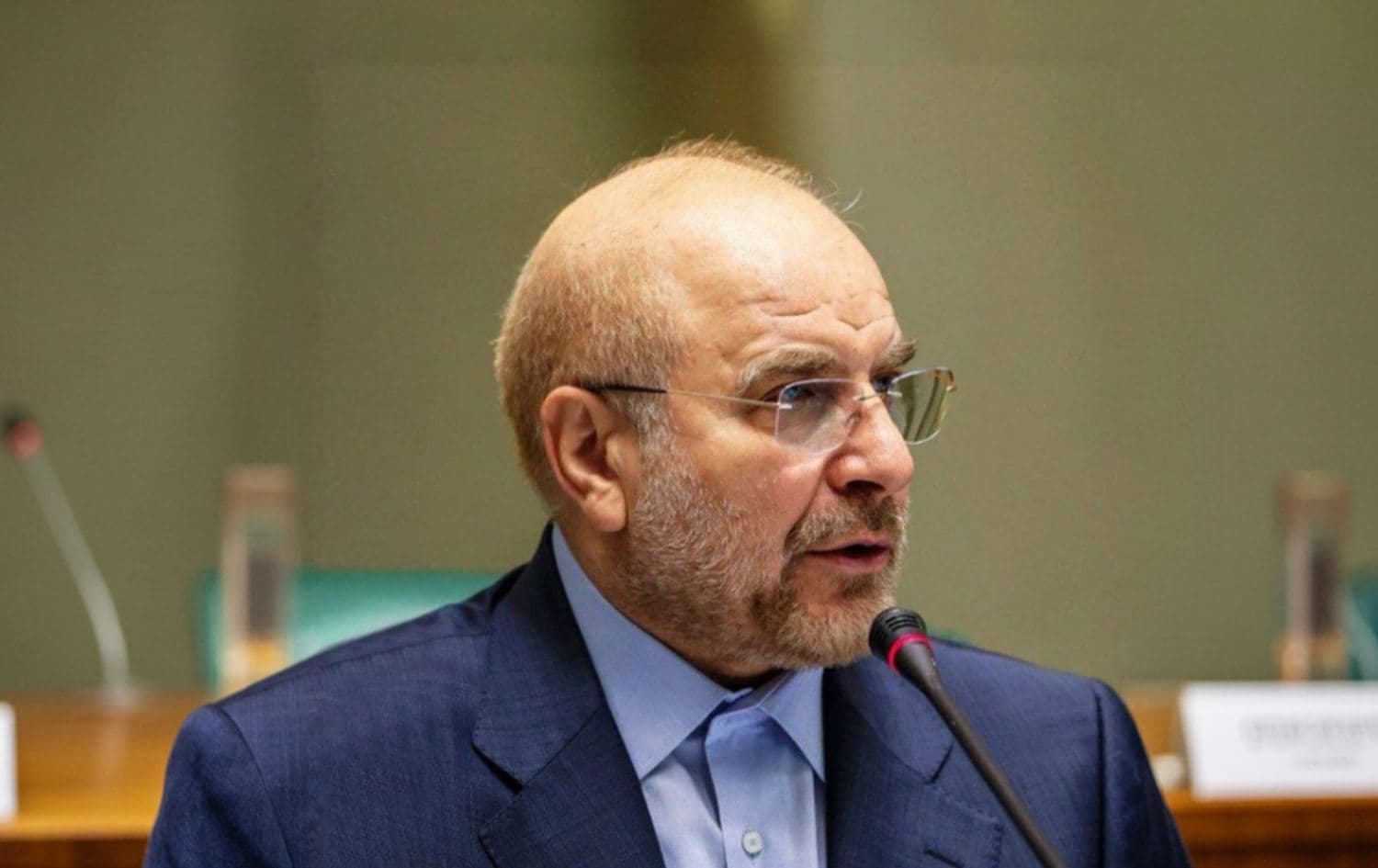
“The new equation of the Strait of Hormuz is in the process of being solidified. The security of shipping and energy transit has been jeopardized by the United States and its allies through the violation of the ceasefire and the imposition of a blockade; of course, their evil will diminish,” Ghalibaf, who also serves as parliament speaker, wrote on X.
“We know full well that the continuation of the status quo is intolerable for America; while we have not even begun yet,” he added.
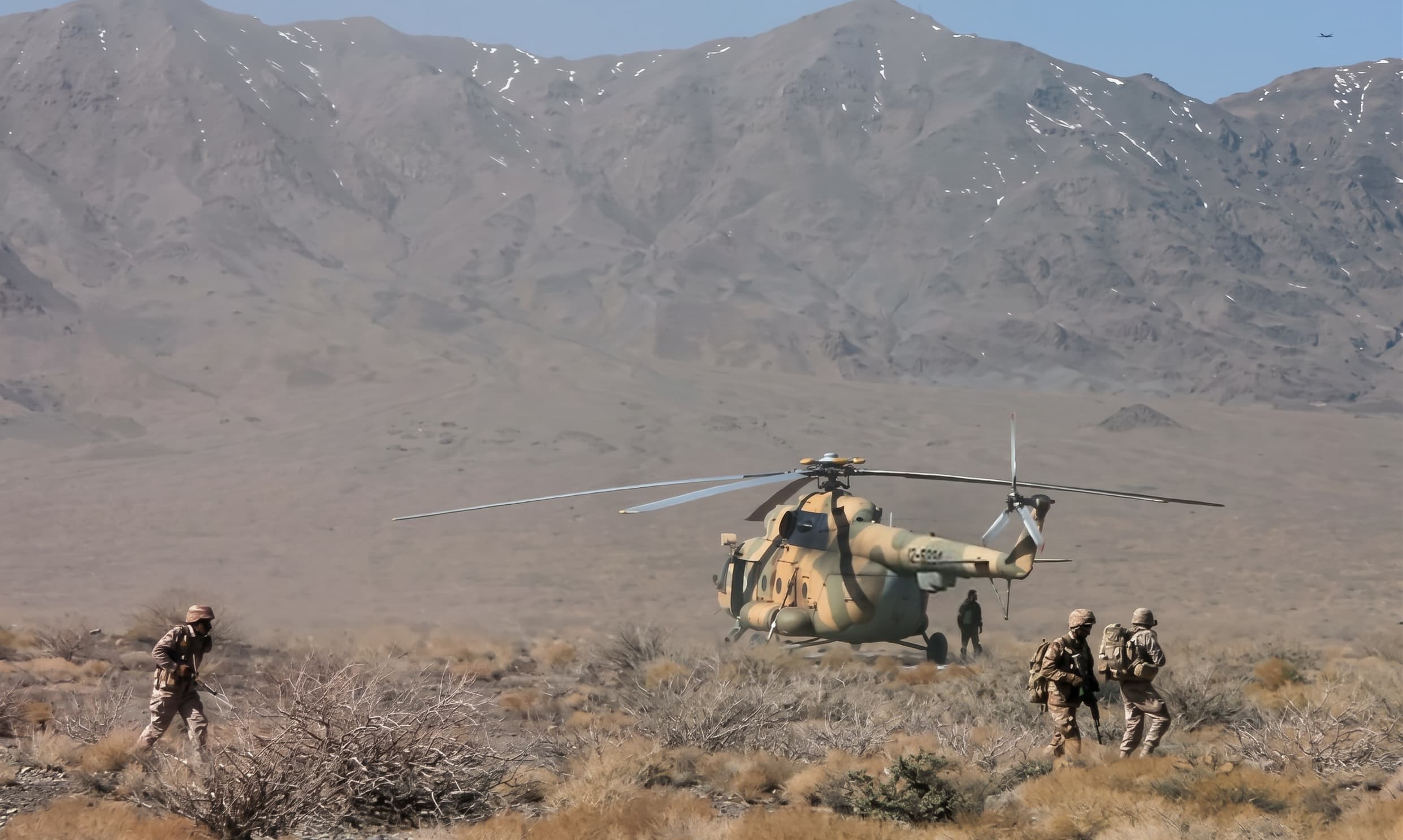
The remarks come a day after the launch of a US-led maritime initiative - dubbed Project Freedom - aimed at guiding commercial vessels through the Strait of Hormuz after weeks of disruptions caused by attacks, sea mines, and heightened military activity.
According to a report by CBS News, two United States Navy destroyers transited the Strait and entered the Persian Gulf after navigating what American officials described as an Iranian barrage.
Tensions in the waterway have remained high since late February, when the United States and Israel launched an aerial campaign against Iran on February 28, prompting Tehran to effectively restrict access to the Strait - one of the world’s most critical chokepoints for global energy supplies. The escalation was followed by increased US military presence and a blockade.
Iranian Foreign Minister Abbas Araghchi said early Tuesday that the developments in the Strait “make clear that there's no military solution to a political crisis.”
“As talks are making progress with Pakistan's gracious effort, the U.S. should be wary of being dragged back into [a] quagmire by ill-wishers,” he added, describing the Project Freedom as “Project Deadlock.”