ERBIL, Kurdistan Region - Iranian authorities are intensifying pressure against the Sunni clerical establishment in the country as the Islamic regime faces one of its worst security and economic crises since its foundation in 1979.
Abdolhamid Ismaeelzahi, top Sunni leader of the southeastern province of Sistan and Baluchestan, said in his Friday sermon that the Balochis are under increased “political and security pressures.” He attributed the rising crackdown to the appointment of "extremist individuals” in the provincial authority of the region, warning that the continuation of the approach could lead to a surge in "dissatisfaction and instability.”
Sunni Muslims and other minorities in Iran have come under intense state crackdown since February 28, when the United States and Israel launched massive aerial campaigns targeting thousands of sites across the country before a Pakistani-brokered ceasefire tenuously halted the conflict on April 8.
Another Sunni Friday leader from the province, Fazl-ur-Rehman Koohi, has fled Iran following threats of arrest last week, according to Haalvsh, a rights group focused on Balochi areas in Iran.
Meanwhile, Naser Bakerzade, a young Kurdish man who was accused of gathering information on Iranian politicians and filming sensitive locations, was executed on Thursday.
“My first crime is that I am Kurdish and my second is that I am Sunni,” he said in a leaked voice recording days before he was executed.
In addition to preventing access to global internet for the past 60 days, the Iranian authorities have expanded arrest waves and expedited pending trials. Accusations mainly include “spying for Israel” and “collaborating with the enemy” - charges that could lead to death penalty.
Since February 28, at least 21 individuals have been executed, and more than 4,000 have been arrested, according to data released by the UN last week.
Most of the executions have involved Sunni defendants from Balochi and Kurdish areas.
Of those executed for affiliation with banned political and armed groups between 2010 and 2024, 52 percent were Kurdish, 29 percent were Baluch, and 16 percent were Arab, together accounting for 97 percent of all politically motivated executions, according to a 2025 report by the Oslo-based Iran Human Rights (IHR). The vast majority of them are Sunni Muslims.
Furthermore, Iran Human Rights Monitor (HRM), has reported the arrest of eight Sunni leaders in the Kurdish areas during the January 2026 protests - which erupted in response to rising prices and soaring inflation.
HRM emphasizes that Kurds and Balochi Sunni Muslims are among “the primary victims of systematic repression.”
Systematic targeting of Sunni and other religious as well as ethnic minorities has also been verified by international watchdogs.
In its annual report released mid-April, Amnesty International said that minorities in Iran are more prone to be charged with espionage and therefore suffering “widespread and systemic human rights violations,” including bans on education, forced confessions, unfair trials, and death.
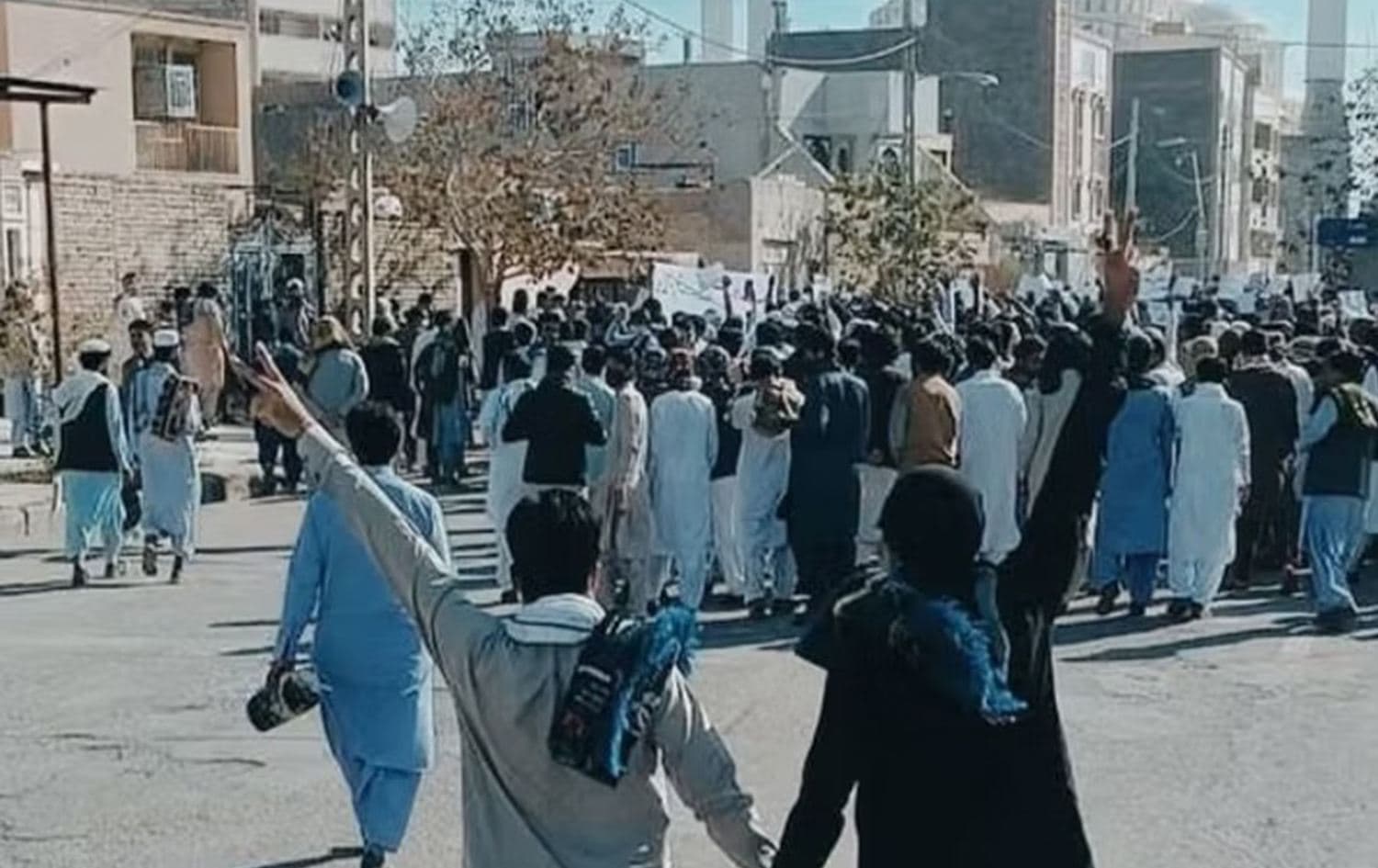
Abdolhamid Ismaeelzahi, top Sunni leader of the southeastern province of Sistan and Baluchestan, said in his Friday sermon that the Balochis are under increased “political and security pressures.” He attributed the rising crackdown to the appointment of "extremist individuals” in the provincial authority of the region, warning that the continuation of the approach could lead to a surge in "dissatisfaction and instability.”
Sunni Muslims and other minorities in Iran have come under intense state crackdown since February 28, when the United States and Israel launched massive aerial campaigns targeting thousands of sites across the country before a Pakistani-brokered ceasefire tenuously halted the conflict on April 8.
Another Sunni Friday leader from the province, Fazl-ur-Rehman Koohi, has fled Iran following threats of arrest last week, according to Haalvsh, a rights group focused on Balochi areas in Iran.
Meanwhile, Naser Bakerzade, a young Kurdish man who was accused of gathering information on Iranian politicians and filming sensitive locations, was executed on Thursday.
“My first crime is that I am Kurdish and my second is that I am Sunni,” he said in a leaked voice recording days before he was executed.
In addition to preventing access to global internet for the past 60 days, the Iranian authorities have expanded arrest waves and expedited pending trials. Accusations mainly include “spying for Israel” and “collaborating with the enemy” - charges that could lead to death penalty.
Since February 28, at least 21 individuals have been executed, and more than 4,000 have been arrested, according to data released by the UN last week.
Most of the executions have involved Sunni defendants from Balochi and Kurdish areas.
Of those executed for affiliation with banned political and armed groups between 2010 and 2024, 52 percent were Kurdish, 29 percent were Baluch, and 16 percent were Arab, together accounting for 97 percent of all politically motivated executions, according to a 2025 report by the Oslo-based Iran Human Rights (IHR). The vast majority of them are Sunni Muslims.
Furthermore, Iran Human Rights Monitor (HRM), has reported the arrest of eight Sunni leaders in the Kurdish areas during the January 2026 protests - which erupted in response to rising prices and soaring inflation.
HRM emphasizes that Kurds and Balochi Sunni Muslims are among “the primary victims of systematic repression.”
Systematic targeting of Sunni and other religious as well as ethnic minorities has also been verified by international watchdogs.
In its annual report released mid-April, Amnesty International said that minorities in Iran are more prone to be charged with espionage and therefore suffering “widespread and systemic human rights violations,” including bans on education, forced confessions, unfair trials, and death.
Comments
Rudaw moderates all comments submitted on our website. We welcome comments which are relevant to the article and encourage further discussion about the issues that matter to you. We also welcome constructive criticism about Rudaw.
To be approved for publication, however, your comments must meet our community guidelines.
We will not tolerate the following: profanity, threats, personal attacks, vulgarity, abuse (such as sexism, racism, homophobia or xenophobia), or commercial or personal promotion.
Comments that do not meet our guidelines will be rejected. Comments are not edited – they are either approved or rejected.
Post a comment