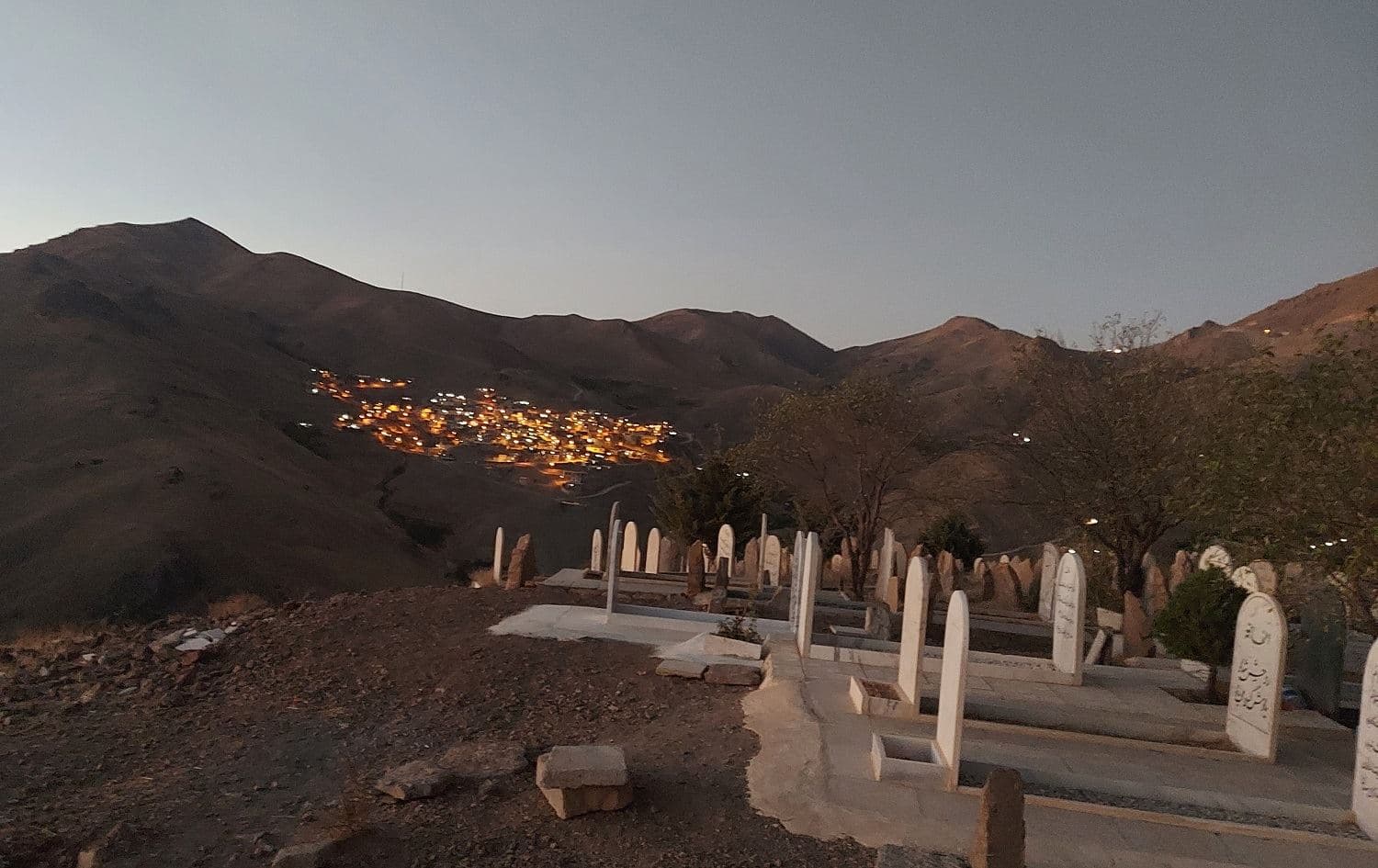
SANANDAJ, Iran - Twenty-two-year-old woman moved to another city with the boyfriend she wanted to marry after separating from her husband. She returned home within days after she was found by her family and passed away two days later in hospital. She died because of severe burns. The case is being investigated to determine if she was murdered. On Sunday morning, a doctor posted on Instagram that a 22-year-old had died in the burns unit of Kowsar Hospital in Sanandaj. Dr. Eman Nawabi claimed the woman’s father poured gasoline on her and set her on fire on Friday because she had a boyfriend. She was brought to hospital with burns on 85 percent of her body. After surgery and amputation of both of her arms, she died from her injuries on Saturday night. The doctor later deleted the statement and Sanandaj’s judiciary announced that Nawabi’s Instagram post was a violation of the law. But the news quickly spread and civil and women’s rights activists called for the perpetrator to be punished. The woman has been identified as Faiza Maleki. Rudaw English visited Kor Kora village, five kilometers east of Sanandaj city. Maleki’s body was buried at the back of the graveyard, south of the village. None of her family members were willing to comment. Neighbours in the village, busily working in their small orchards during the harvest season, spoke about the tragedy with pity. A 50-year-old man, whose orchard was near to where Maleki was burned, spoke to Rudaw English on condition of anonymity. “Faiza married two years ago, but around two months ago she separated from her husband due to some problems they had. She met a man and decided to get married, but their families disagreed,” he said. Maleki and her boyfriend moved to another city around Sanandaj but were found by her family. On Friday afternoon, neighbours heard screams and rushed to the Maleki family’s orchard. They saw Maleki’s burned body. Her father had also suffered burns, including to his hands. Both were rushed to hospital. According to the neighbor, people heard Maleki say several times, “My father set me on fire,” and that she had not burned herself. “What is clear is that Faiza and her father were in that orchard and only her father knows what happened,” he said. Rudaw English reached out to Sanandaj’s forensics department but they refused to comment. An anonymous source in the hospital said some family members were with Maleki when she was brought in, “but the reason for her burns was unclear to us as well. Some were saying Faiza burned herself and some others were saying that her father burned her.” The Kurdistan Human Rights Network, citing an unnamed source, said Maleki’s father poured gasoline on her and burned her. Judge Mohammed Jabbari said the incident is being investigated and it is not clear yet if she self-immolated or was burned by her father. He added that no one has filed a complaint in the case. Violence against women is increasing in Kurdish areas of Iran. This summer, several women were murdered in suspected so-called honour killings. The economic crisis and women no longer accepting traditional roles are factors activists believe are contributing to the violence.
Iran23-09-2026Iran arrested 315 children since September 2025, imprisonment sentence to 8 minors: Watchdog
Iran22-09-2026Iranian official says nearly 10 percent of internet traffic bypasses official routes through Starlink


.jpeg&w=3840&q=75)
