
ERBIL, Kurdistan Region - Kurdish opposition parties from Iran held a high-level meeting on Monday aimed at fostering unity amid escalating unrest inside the Islamic republic, as violent protests entered their second week.
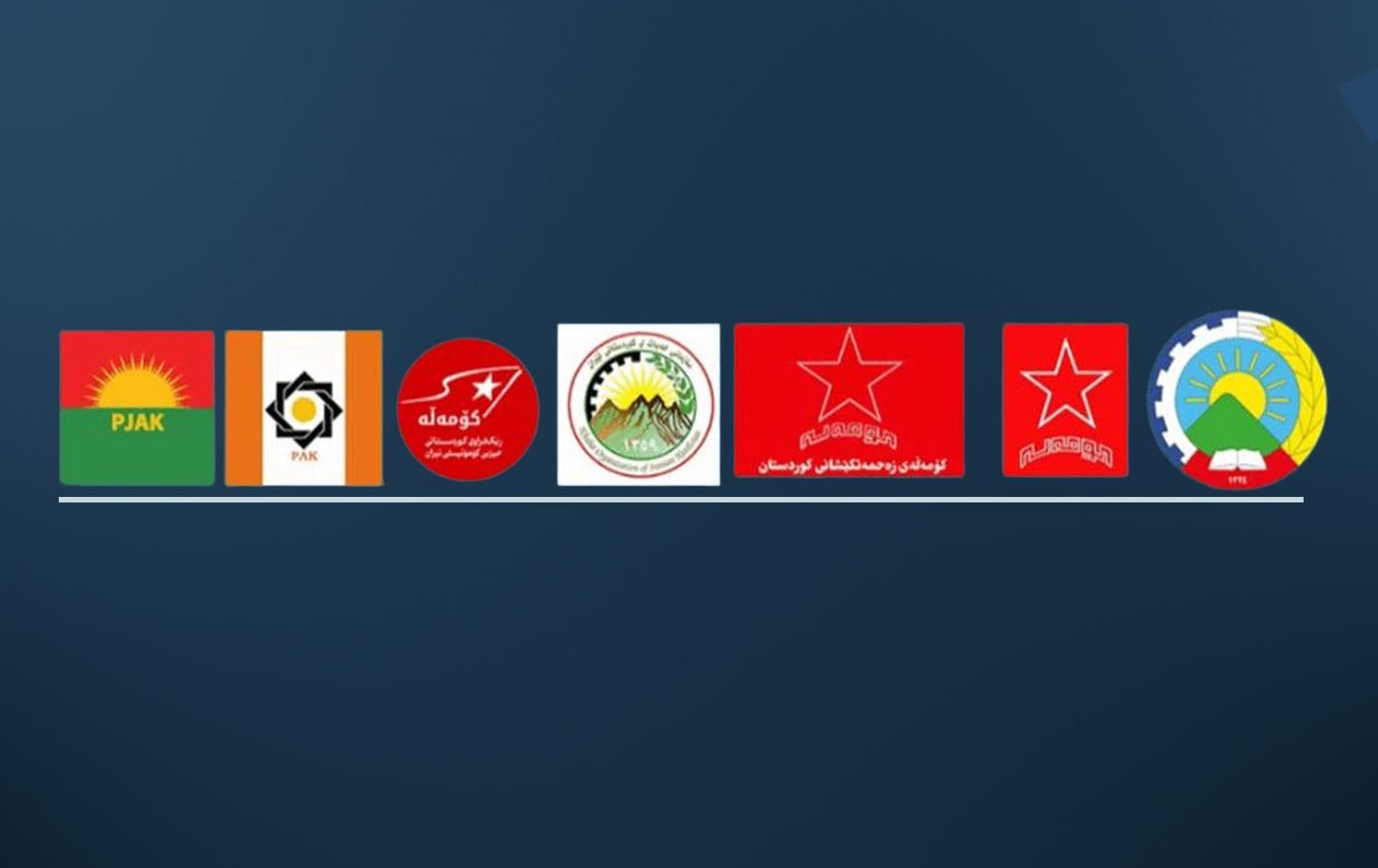
“On January 5, 2026, seven political parties from the Dialogue Center for Inter-Party Cooperation in Iranian Kurdistan gathered for a high-level meeting,” the Democratic Party of Iranian Kurdistan (PDKI) said in a statement. The parties discussed “recent political developments in Iran and the current situation in Kurdistan.”
According to the statement, participants expressed “full support for the nationwide protests and popular uprisings against the Islamic Republic,” emphasizing the need for “effective joint cooperation to strengthen these movements.”
Protests sparked by worsening economic conditions have spread across several Iranian provinces, leaving more than 18 people dead and over 170 arrested, according to an Oslo-based human rights monitor.
The demonstrations have now entered their second week, prompting the United Nations to urge Iranian authorities to respect the right to peaceful assembly.
The Hengaw Human Rights Organization said it has “verified the identities of 18 people killed during the recent protests,” adding that at least six additional cases are under review and will be reported once confirmed. Of those killed, Hengaw reported that “at least nine were Lur and seven were Kurdish.”
The deaths have occurred since demonstrations began in the Iranian capital last week, fueled by soaring living costs and the rapid devaluation of the national currency. Protests and strikes later spread to several other cities on Thursday.
The Kurdish opposition parties also “condemned the violent suppression of protests in Kermanshah, Ilam, Malekshahi, and Lorestan,” and expressed solidarity with the families of the victims.
At the conclusion of the meeting, the parties agreed to "intensify dialogue" among Kurdish political forces, develop a shared framework, and "establish a roadmap to strengthen Kurdish political and national movements in Iran."