


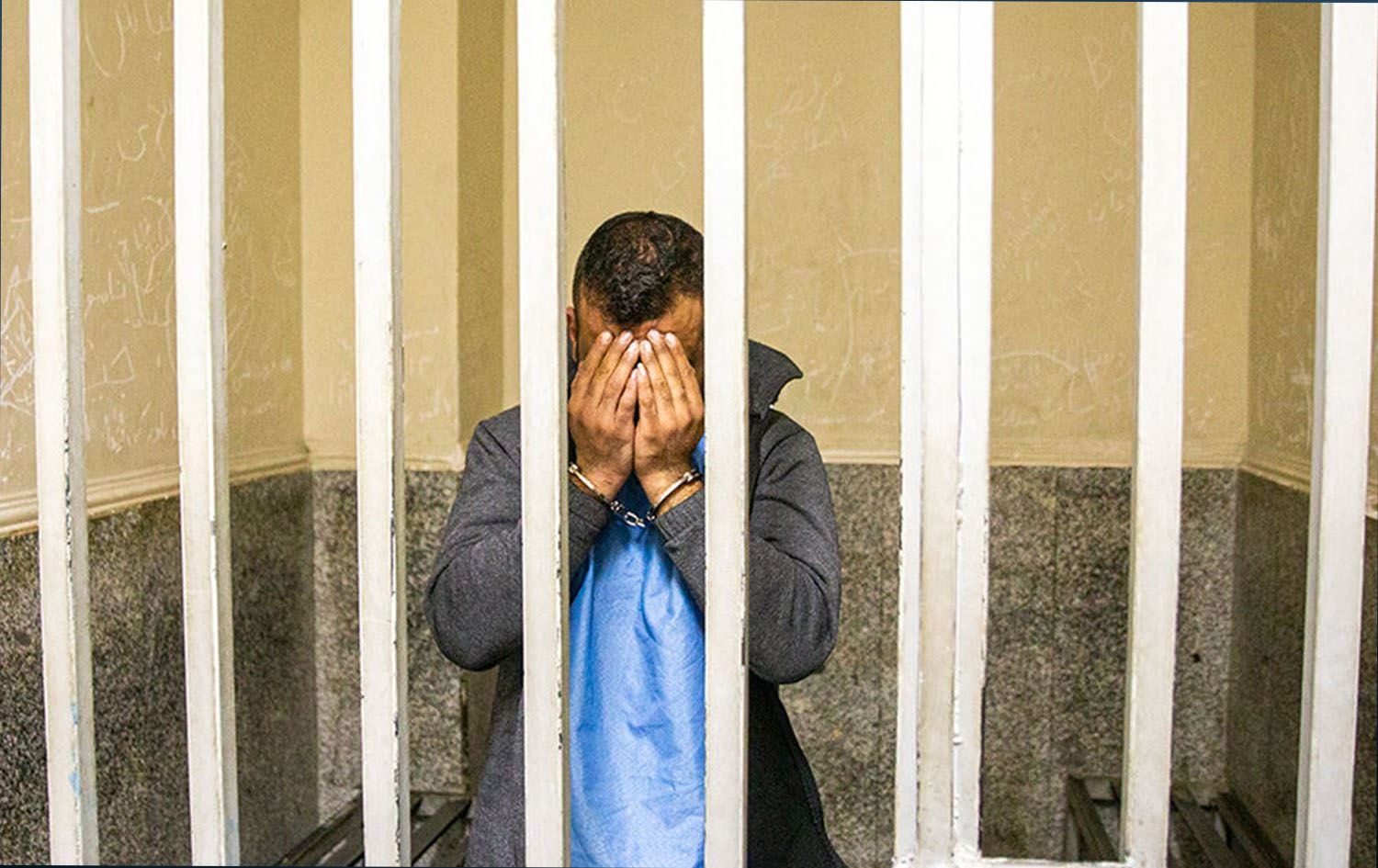
ERBIL, Kurdistan Region - Three prisoners, including a Kurdish man and his Baloch wife, have been sentenced to death by an Iranian court on charges of blasphemy and alleged affiliation with the Islamic State (ISIS), a human rights organization reported on Sunday.
According to the Kurdistan-based Hengaw Organization for Human Rights, the defendants were identified as Nasimeh Eslamzehi, a Baloch woman; her Kurdish husband, Arsalan Shekhi, from the central district of Sardasht in West Azerbaijan province; and another prisoner identified only as Hassan.
Hengaw said the trio were accused of “moharebeh [enmity against god] through membership in ISIS.” Iranian security agencies claimed the defendants were involved in a September 2023 bus bombing on the Tehran–Ilam route that killed an 18-month-old child. However, all three denied the allegations during court proceedings.
The Baloch are an ethnic minority, predominantly Sunni Muslim, who inhabit the southeastern region of Iran known as Sistan and Baluchestan province. They have been the target of disproportionate execution by the Iranian regime, particularly for drug-related charges, which human rights groups cite as a form of ethnic and religious persecution.
Hengaw said Eslamzehi was being held in Qarchak Varamin Prison in Tehran, while Shekhi and Hassan were detained in Evin Prison. All three were sentenced to death by a court in Tehran presided over by Judge Abolghasem Salavati who is known for issuing harsh sentences in politically sensitive cases.
Established in 1972 in northwestern Tehran, Evin Prison is notorious for detaining political prisoners, journalists, activists, and foreign nationals, and has been condemned for torture and abuse.
During the June war with Iran, an Israeli strike killed 79 people and destroyed part of the facility, prompting authorities to transfer inmates elsewhere. In August, over 600 prisoners were moved back without notifying their families, according to Hengaw.
Eslamzehi was reportedly pregnant at the time of her arrest and gave birth to her daughter, Tasnim, seven months later in prison. Hengaw said mother and child were held for 40 days in solitary confinement under “poor ventilation and inadequate lighting” before being transferred to the prison’s quarantine ward.
Separately, Iranian state media on Saturday announced the execution of seven prisoners, including a Kurdish man identified as Saman Mohammadi Khiyareh, from Sanandaj in Kurdistan province. He had been arrested in 2013 for alleged crimes committed during the 2009 Green Movement.
Iran has faced mounting criticism for what United Nations experts recently described as its “staggering” rate of executions.
“With an average of more than nine hangings per day in recent weeks, Iran appears to be conducting executions at an industrial scale that defies all accepted standards of human rights protection,” UN human rights experts said in a recent statement.
The UN called on Tehran to immediately impose a moratorium on executions, ensure fair trials, and release transparent data on death sentences.


Comments
Rudaw moderates all comments submitted on our website. We welcome comments which are relevant to the article and encourage further discussion about the issues that matter to you. We also welcome constructive criticism about Rudaw.
To be approved for publication, however, your comments must meet our community guidelines.
We will not tolerate the following: profanity, threats, personal attacks, vulgarity, abuse (such as sexism, racism, homophobia or xenophobia), or commercial or personal promotion.
Comments that do not meet our guidelines will be rejected. Comments are not edited – they are either approved or rejected.
Post a comment