


Iran

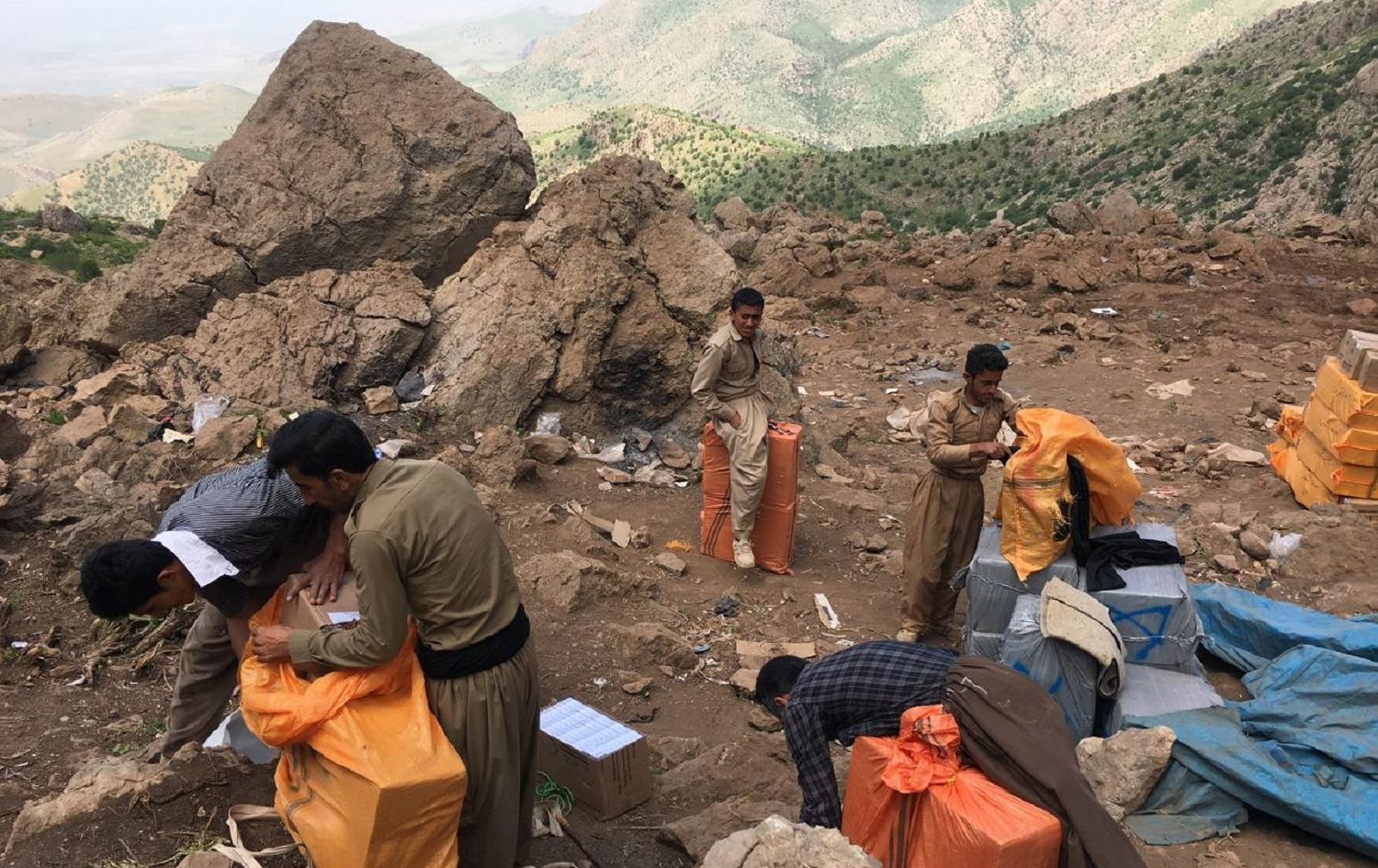
Kolbars adjust their loads high in the Hawraman mountains on the Kurdistan Region-Iran border on May 12, 2017. Photo: Fazel Hawramy/Rudaw
ERBIL, Kurdistan Region - Iranian border guards fatally shot a Kolbar from the Kurdish city of Paveh and wounded several others as they were transporting packages on the mountainous areas of Kermanshah province in Iran’s western Kurdish region (Rojhelat) on Sunday evening.
39-year-old Aso Karimi and at least seven of his fellow kolbars were severely wounded by the direct fire of Iranian border guards in the heights Kermanshah province’s Nowsud, Hengaw Organization for Human Rights reported.
His body was found in a nearby village on Monday afternoon, while the fate of the other kolbars remains unclear at the moment.
The human rights monitor later reported that government forces had “kidnapped” Karimi’s body, under the pretext that there were no forensic doctors to examine the body in Paveh, while thousands gathered to protest his killing before the city’s mortuary.
Activist groups in Paveh have called for a demonstration to be held in front of the governor’s office on Tuesday morning, protesting the killing of kolbars by Iranian security forces, according to Hengaw.
Kolbars are semi-legal porters who transport untaxed goods across the Kurdistan Region-Iran border and sometimes the Iran-Turkey border. They are constantly targeted by Iranian border guards and are sometimes victims of natural disasters. Many are pushed into the profession by poverty and a lack of alternative employment, particularly in Iran's Kurdish provinces.
An estimated 33 kolbars lost their lives and 176 others were wounded as a result of direct firing from Iranian forces in 2022, according to data from Hengaw. At least 35 fell victim to natural accidents during that year: Eight dead and 27 wounded.
In its latest monthly report on the human rights situation in Iran, the Paris-based Kurdistan Human Rights Network (KHRN) said at least one kolbar was killed and 13 others were injured after being shot by the Iranian border guards in July.
Families of kolbars are among the main victims of these attacks by Iranian border guards, as the transport of goods is their primary source of income.
39-year-old Aso Karimi and at least seven of his fellow kolbars were severely wounded by the direct fire of Iranian border guards in the heights Kermanshah province’s Nowsud, Hengaw Organization for Human Rights reported.
His body was found in a nearby village on Monday afternoon, while the fate of the other kolbars remains unclear at the moment.
The human rights monitor later reported that government forces had “kidnapped” Karimi’s body, under the pretext that there were no forensic doctors to examine the body in Paveh, while thousands gathered to protest his killing before the city’s mortuary.
Activist groups in Paveh have called for a demonstration to be held in front of the governor’s office on Tuesday morning, protesting the killing of kolbars by Iranian security forces, according to Hengaw.
Kolbars are semi-legal porters who transport untaxed goods across the Kurdistan Region-Iran border and sometimes the Iran-Turkey border. They are constantly targeted by Iranian border guards and are sometimes victims of natural disasters. Many are pushed into the profession by poverty and a lack of alternative employment, particularly in Iran's Kurdish provinces.
An estimated 33 kolbars lost their lives and 176 others were wounded as a result of direct firing from Iranian forces in 2022, according to data from Hengaw. At least 35 fell victim to natural accidents during that year: Eight dead and 27 wounded.
In its latest monthly report on the human rights situation in Iran, the Paris-based Kurdistan Human Rights Network (KHRN) said at least one kolbar was killed and 13 others were injured after being shot by the Iranian border guards in July.
Families of kolbars are among the main victims of these attacks by Iranian border guards, as the transport of goods is their primary source of income.


Comments
Rudaw moderates all comments submitted on our website. We welcome comments which are relevant to the article and encourage further discussion about the issues that matter to you. We also welcome constructive criticism about Rudaw.
To be approved for publication, however, your comments must meet our community guidelines.
We will not tolerate the following: profanity, threats, personal attacks, vulgarity, abuse (such as sexism, racism, homophobia or xenophobia), or commercial or personal promotion.
Comments that do not meet our guidelines will be rejected. Comments are not edited – they are either approved or rejected.
Post a comment