
Several Kurds among victims of plane crash in Iran

08-01-2020
Karwan Faidhi Dri
Karwan Faidhi Dri @KarwanFaidhiDri
A+ A-

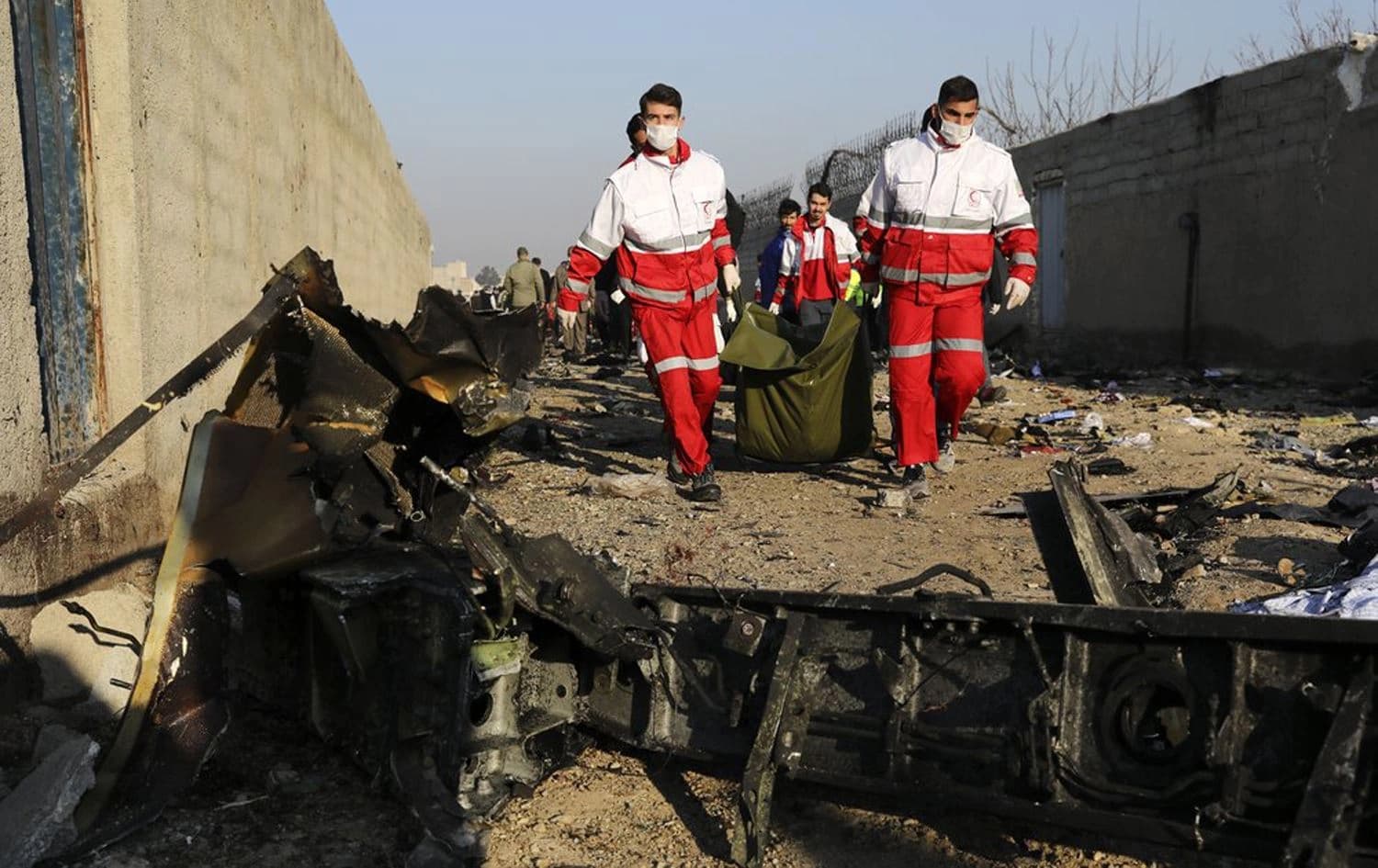
ERBIL, Kurdistan Region – There were at least 10 Kurds among the 176 passengers and crew of the Ukrainian International Airlines plane which crashed in Iran early on Wednesday. 

The Boeing 737-800 crashed only minutes after it took off from Tehran airport. No one survived.

The Canadian government confirmed that 63 of the 176 passengers were Canadian citizens. Prime Minister Justin Trudeau said that he and his wife were “shocked and saddened” by the news. 

“On behalf of the government of Canada, Sophie and I offer our deepest condolences to those who have lost family, friends and loved ones in this tragedy,” he said in a statement


Many Kurds and Persians live in Canada, and the cheapest route between Tehran and Toronto is via Kiev. Therefore, many Iranians with dual citizenship or family ties in both countries fly with Ukrainian airlines. 

According to sources on social media, at least ten Kurds are among the dead. 

NNSROJ, a news outlet, named ten people - originally from Kermanshah, Sanandaj, Saqiz and Muhabad cities - who are believed to have died in the wreckage.


Ghanimat Azhdari, one of the passengers,  was a PhD student who had returned to Iran to celebrate her engagement. She was an environmentalist who focused on the conservation of natural rights and protecting the rights of indigenous peoples. 

In a video published on her Twitter account that was recorded at an environmental conference about territories being conserved by indigenous communities, Ghanimat speaks in support of indigenous communities’ right to practice conservation within the framework of their own self-determination.  


Many young and well-educated Iranians of diverse backgrounds lost their lives in this tragic incident.


Photos via Iranian social media.


Comments

Rudaw moderates all comments submitted on our website. We welcome comments which are relevant to the article and encourage further discussion about the issues that matter to you. We also welcome constructive criticism about Rudaw.

To be approved for publication, however, your comments must meet our community guidelines.

We will not tolerate the following: profanity, threats, personal attacks, vulgarity, abuse (such as sexism, racism, homophobia or xenophobia), or commercial or personal promotion.

Comments that do not meet our guidelines will be rejected. Comments are not edited – they are either approved or rejected.

Post a comment

Required
Required