


Iran

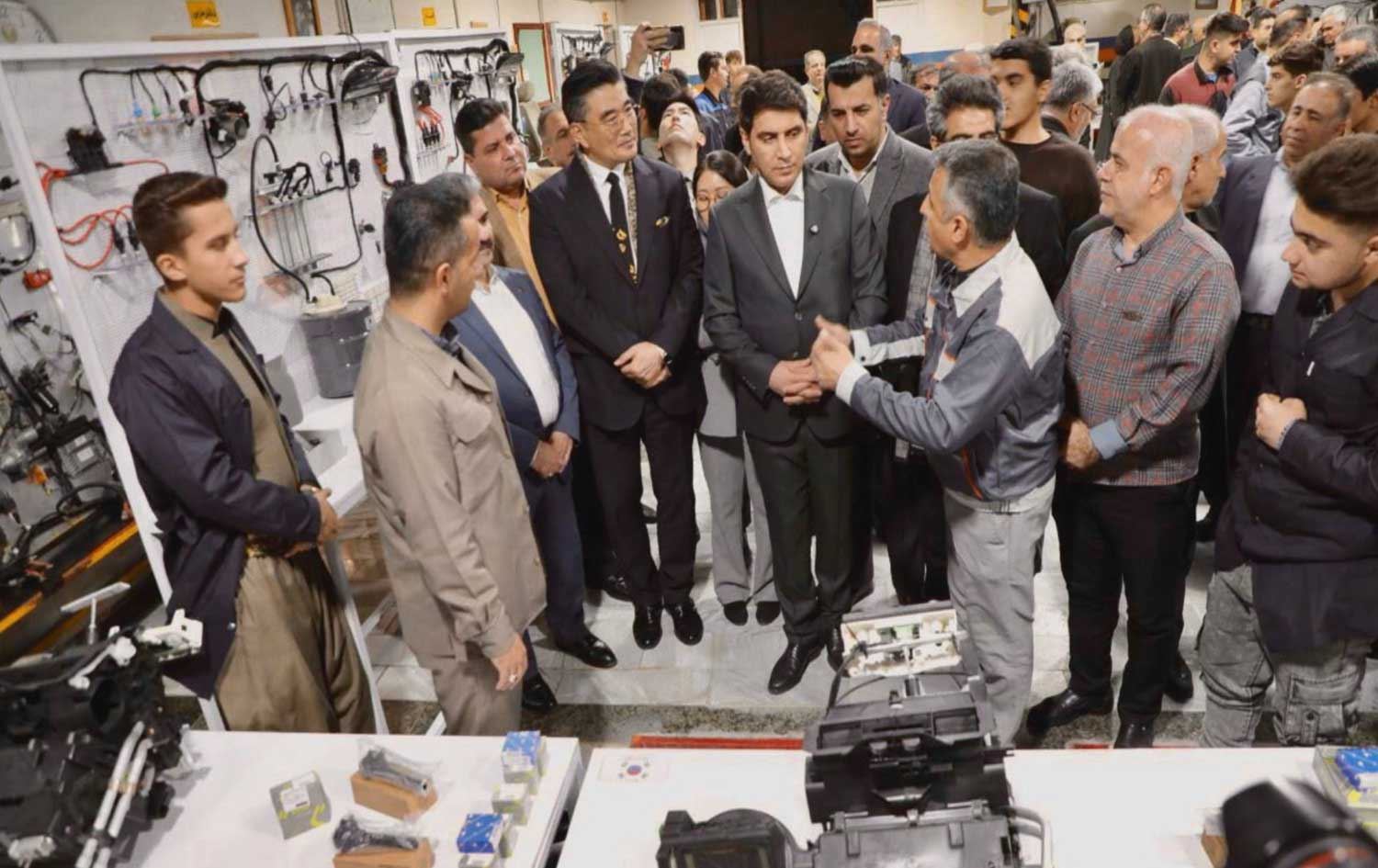
South Korean Ambassador to Iran Kim Junpyo visiting a vocational training center in Sanandaj in western Kurdistan province on December 23, 2025. Photo: Tasnim news agency.
ERBIL, Kurdistan Region - The South Korean government has donated $500,000 worth of technical and vocational training equipment to Iran’s Kurdistan province, aiming to strengthen skills development and expand employment opportunities for young people, according to Iranian state media.
The donation was announced during a meeting of the Kurdistan province Technical and Vocational Training Directorate’s skill development working group in Sanandaj on Tuesday.
South Korean Ambassador to Iran Kim Junpyo said the initiative was tailored to the province’s specific needs.
“This project was designed based on the actual needs of the province and plays a significant role in developing skills and creating job opportunities for youth,” Kim said, as quoted by Iran’s state-run IRNA news agency.
Kim added that the project reflects Seoul’s emphasis on hands-on engagement and practical cooperation.
“The implementation of this project demonstrates that the Republic of Korea places special importance on field visits and effective, results-oriented collaboration,” he said, expressing hope that the donated equipment would open new employment opportunities for young people in the predominantly Kurdish region.
The ambassador also highlighted the broader implications for bilateral relations, noting that the initiative could strengthen educational and skills-based cooperation between Iran and South Korea.
He detailed that the provincial project, along with a national instructor training center initiative, represents an important step toward deepening ties between the two countries.
“The government of the Republic of Korea will continue its cooperation in the field of vocational training, and we hope bilateral cooperation will expand more than ever before,” Kim said.
Sayyed Jamil Ahmadi, deputy head of Iran’s Technical and Vocational Training Organization, underscored Kurdistan’s potential as a regional center for skills development. He described Kim as the “Ambassador of Skills,” praising his “valuable and unparalleled efforts” in advancing vocational training in Iran in recent years.
Ahmadi also emphasized the importance of linking education to employment.
“If the national skill development center is established in Kurdistan, it will lay the foundation for an effective connection between education and employment,” he said.
Iran’s Kurdish provinces in the west have long struggled with high unemployment and widespread poverty, largely due to chronic underdevelopment and limited government investment. In many border areas, residents rely on kolbari - carrying goods across borders on foot - as a primary source of income.
More than 5,000 residents in Iran’s border regions have been issued kolbari work cards, allowing them to cross officially through the Kurdistan Region’s Haji Omaran crossing. Border statistics indicate that between 1,000 and 1,500 kolbars cross daily, transporting up to 60 tons of goods from the Kurdistan Region into Iran.


Comments
Rudaw moderates all comments submitted on our website. We welcome comments which are relevant to the article and encourage further discussion about the issues that matter to you. We also welcome constructive criticism about Rudaw.
To be approved for publication, however, your comments must meet our community guidelines.
We will not tolerate the following: profanity, threats, personal attacks, vulgarity, abuse (such as sexism, racism, homophobia or xenophobia), or commercial or personal promotion.
Comments that do not meet our guidelines will be rejected. Comments are not edited – they are either approved or rejected.
Post a comment