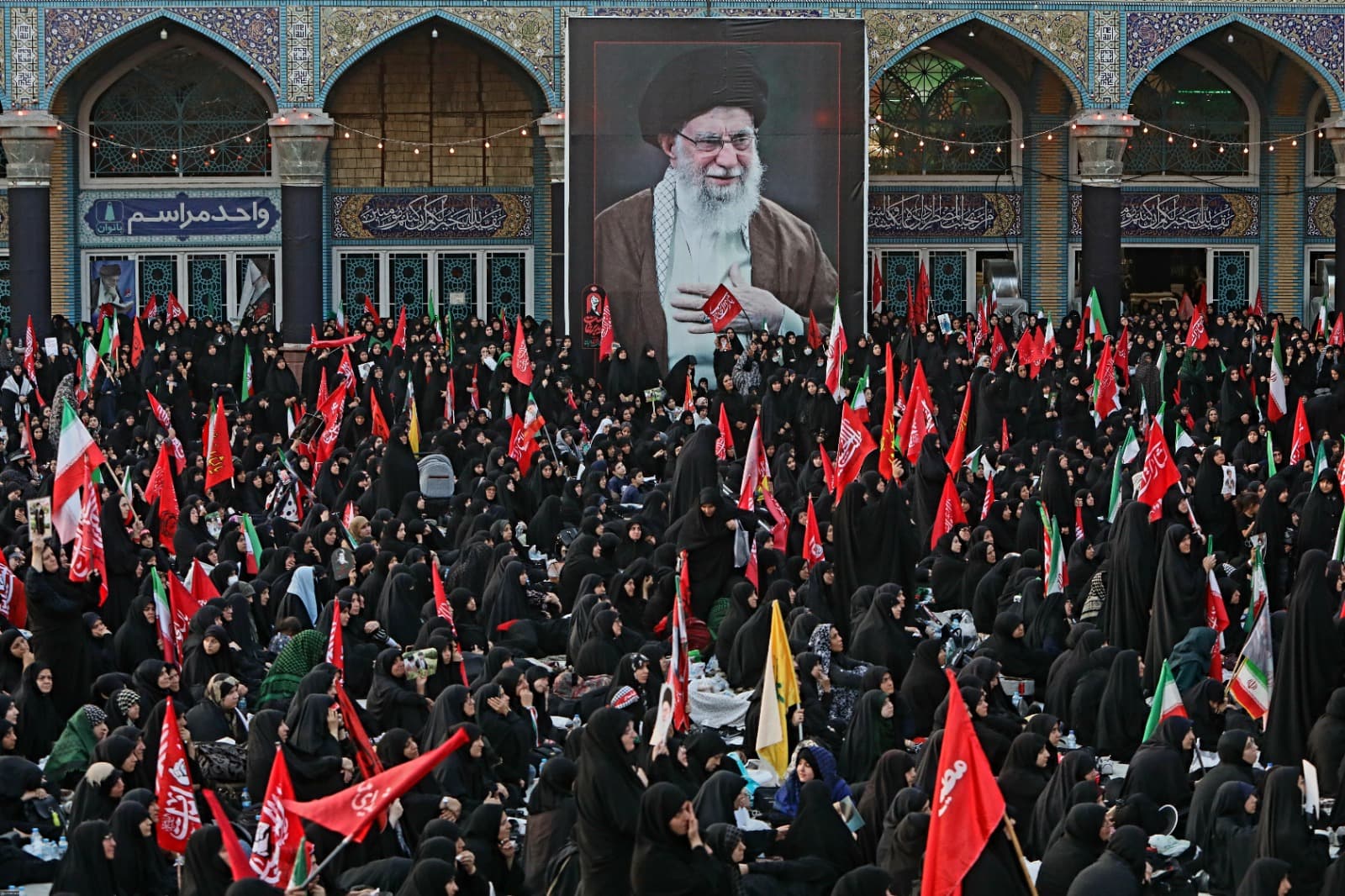
ERBIL, Kurdistan Region - Anyone engaging in price gouging will be treated as an “agent” of the United States and Israel, a senior Iranian official warned on Sunday, adding that the legislature is set to hold a session to review “suspicious domestic movements.” The statement comes as the cost of living continues to rise for ordinary Iranian families and as a comprehensive resolution to the Iran war is still pending.
“The parliament will hold an extraordinary session on Sunday to review price hikes unrelated to the war, and those responsible for driving up prices will be dealt with in coordination with measures against the United States and the Zionist [Israeli] regime,” said Hamid Reza Haji Babaei, Iran’s deputy parliament speaker.
He alleged that “suspicious domestic movements” are unfolding in local markets aimed at creating public dissatisfaction and opening a new front against the Islamic Republic.
“Our red line is public satisfaction and anyone who knowingly or unknowingly engages in hoarding or price gouging will be dealt with decisively and treated as an agent of the United States,” Hajji Babaei added.
The US and Israel launched a wide scale aerial campaign against Iran on February 28, striking more than 17,000 sites across the country over six weeks of hostilities before the sides agreed to a Pakistan-mediated ceasefire on April 8. The truce halted fighting for two weeks and paved the way for negotiations.
While the first round of talks concluded without a final agreement on April 11, a second round has yet to take place, with a comprehensive resolution to the conflict still pending.
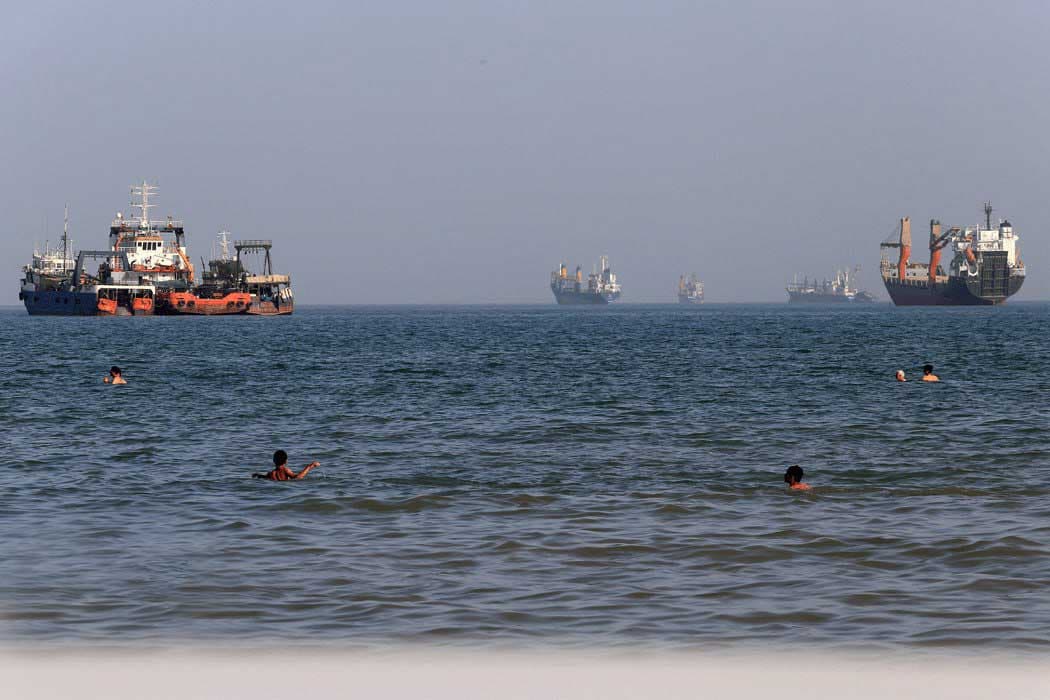
In parallel with the diplomatic efforts, Iran and the US have engaged in tit-for-tat maritime measures. Tehran has tightened its grip on shipping in the Strait of Hormuz, while Washington initiated a maritime blockade on Iranian ports in mid-April.
Haji Babaei also claimed that Iran, by using land crossings across 16 border provinces with neighboring countries, has managed to mitigate the impact of what he described as a “US plot” and the blockade on Iranian ports.
The deputy to Iranian Parliament Speaker Mohammad Bagher Ghalibaf - who heads Tehran’s negotiating team with the US - was not the only official to issue threats against those he described as “gougers.”
Iranian Chief Justice Gholam-Hossein Mohseni-Ejei in early May warned those he accused of assisting what he called US “economic terrorism” against the Iranian people.
“We will certainly take firm legal action against those who seek to exploit the current situation through hoarding, overcharging, or by bringing counterfeit or expired goods into the market,” he said.
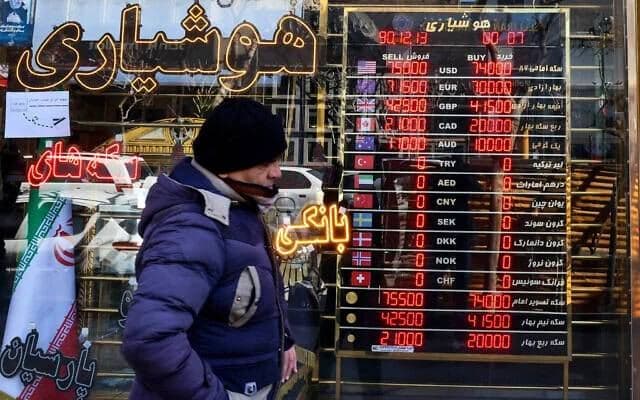
Moreover, the remarks come as the cost of the Iran war for ordinary Iranians has been described as a rapid descent into a stagflationary spiral in which purchasing power has sharply eroded.
The Statistical Center of Iran (SCI) reported in late March that overall consumer prices have risen more than 5.4 times since 2021, with year-on-year inflation reaching 71.8 percent in March 2026. The impact is most evident in food markets, where essential staples such as cooking oil and cereals have increased by 207 percent and 142 percent, respectively, according to the center.
At the same time, Iran’s labor ministry said on Tuesday that the war has already cost more than one million jobs, with up to two million people directly or indirectly affected by unemployment, as the industrial sector comes under strain from military escalation, disruptions in trade routes including the Strait of Hormuz, and a broader lack of investment.
US Secretary of State Marco Rubio said on Friday that Washington is expected to receive a response from Tehran regarding a proposal it previously submitted, though as of the time of this report no reply had yet been received. A day later, Axios reported that Rubio and White House envoy Steve Witkoff met with Qatari Prime Minister Mohammed bin Abdulrahman al-Thani as part of ongoing efforts to end the war.