

ERBIL, Kurdistan Region — Washington on Thursday lifted sanctions on five Iranian officials and companies who it said were involved in the oil trade. Officials said the move was unrelated to the nuclear talks in Vienna, but was because of a “change in status or behavior.”
The US lifted sanctions on three former officials with the Iranian government and two companies “previously involved in the purchase, acquisition, sale, transport, or marketing of Iranian petrochemical products,” the state department announced.
Secretary of State Antony Blinken said the decision to lift sanctions was a result of “a verified change in status or behavior on the part of the sanctioned parties.”
US state department spokesperson Ned Price said during a press briefing on Thursday that there was no connection between the delisting and ongoing talks in Vienna to revive the Iranian nuclear accord, officially called the Joint Comprehensive Plan of Action (JCPOA).
“What is absolutely true is that there is absolutely no connection between the JCPOA and ongoing negotiations in Vienna. This is a routine technical practice consistent with sanctions hygiene,” he said, adding “delisting is a normal practice.”
The JCPOA, signed in 2015, put limits on Iran’s nuclear activities and allowed inspections into its facilities. Former US President Donald Trump withdrew from the deal in 2018 and began a “maximum pressure” campaign of sanctions in a bid to force Tehran to make a new deal that would also address its ballistic missile program and regional activities.
Under the sanctions, Iran has steadily walked back on its nuclear commitments and is now enriching uranium up to at least 60 percent, far above the 3.67 percent limit set in the agreement.
Negotiations between the remaining signatories of the 2015 nuclear deal – Iran, Russia, China, UK, France and Germany – began in early April in Vienna to find a route for the United States to rejoin the accord, lifting sanctions and for Iran to return to full compliance with its nuclear obligations. The fifth round of talks ended on June 2 with optimism that a deal could be reached. A sixth round of talks in Vienna will begin this weekend.
Iran has continuously said it would return to its commitments under the deal, but only in exchange for a full lift on US sanctions that have crippled its economy.
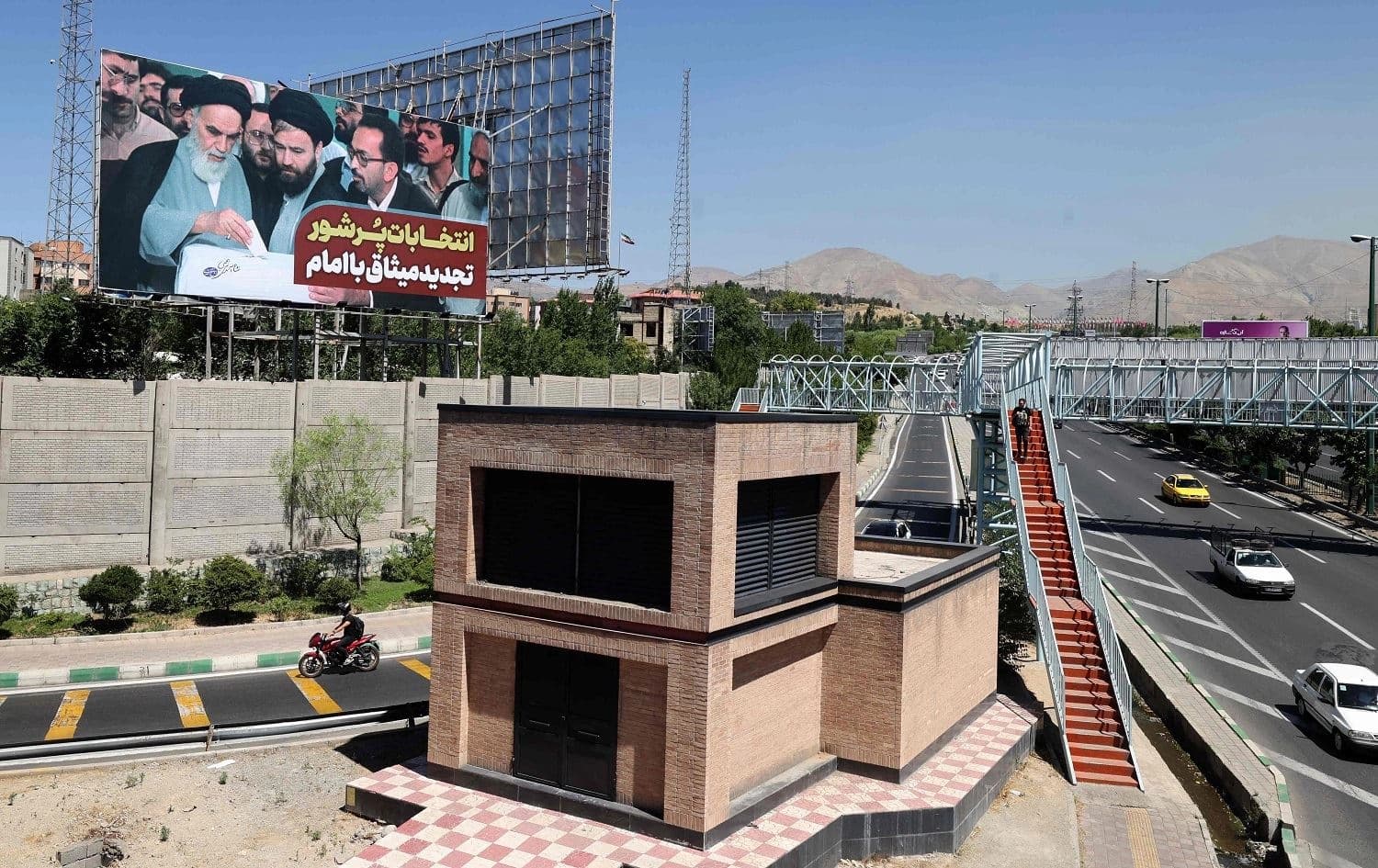
Iranians will go to the polls to elect a new president on June 18. What will happen to the talks if they are not concluded before outgoing President Hassan Rouhani, the architect of the deal, leaves office is not clear, though presidential candidates have signaled their support for the nuclear deal.
The spokesperson for Iran’s foreign ministry during the fifth round of talks said that "significant progress" has been made, though he acknowledged that some “key issues remain” and the process should not be rushed.

_(1).webp&w=3840&q=75)