Iran
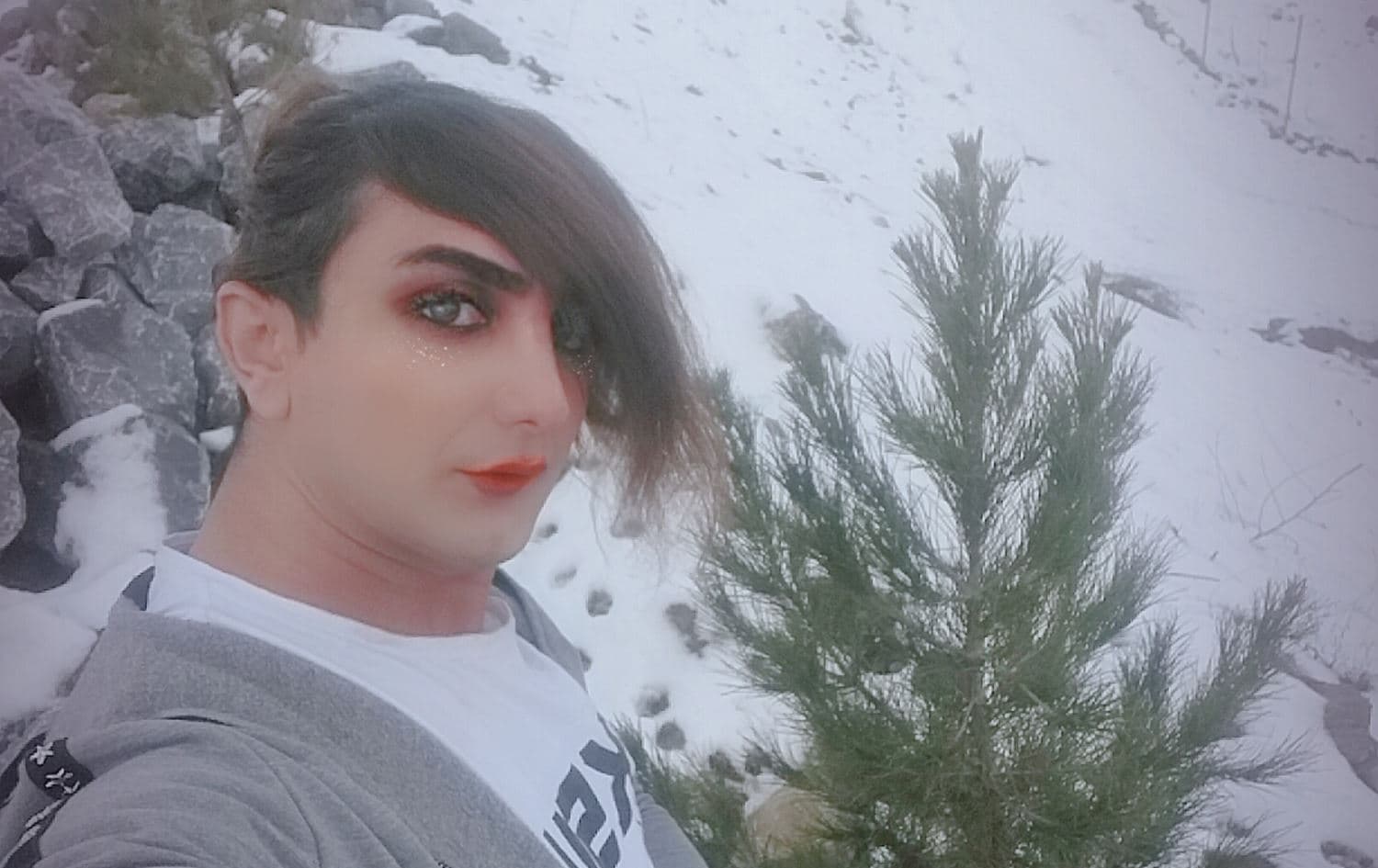
Ngar has opted not to undergo gender reassignment surgery, but was forced to turn to prostitution to make a living because of discrimination. Photo: supplied
Baran lives with her middle class father in a village between the two Kurdish cities of Sanandaj and Mariwan in western Iran. The 24-year-old Kurd wears a red dress and makeup. She had gender reassignment surgery three years ago.
Baran says she felt imprisoned by the male body she was born in. When people would tell her she was a boy, she felt like she was about to have a heart attack.
“Although I was bullied and hurt a lot in school and among my relatives and family [they] jokingly called me sister, I was searching for a way to rescue myself,” Baran told Rudaw English.
Gender reassignment surgery is legal in Iran, but the transgender community faces discrimination and abuse in the Islamic Republic. Though the law permits the surgery, “no law prohibits discrimination against them,” Human Rights Watch noted in its recent annual world report.
After discovering that sex reassignment surgery was both legal and available in Iran, Baran raised the subject with her parents, who already knew she identified as female. Her brothers, however, were unhappy with her decision. They threatened her and her parents.
“After visiting some psychologists, they permitted my transitioning,” Baran said. Six months later, she started her hormone replacement therapy, which caused her breasts to grow and made her lose her facial hair. She then underwent surgery at the Mirdamad clinic in Tehran.
“At first, I did not know there was such a thing as sex reassignment surgery, so I got depressed, until I found out through the internet that such surgery exists in Iran. I was filled with happiness,” said Baran, who changed her name from the Kurdish male name Dana.
She still wants surgery to soften her lower masculine voice.
Her parents may accept her as she is now, but Baran says she still has to justify her choice to other family members and her community.
“I want to forget my past, so I have deleted all of my pre-transition pictures, but whenever I go somewhere in public, everyone asks me why I have transitioned,” she said. “They add salt to my old wounds. A brother of mine has stopped visiting my parents’ house and has since then stopped speaking to me. It is these things that have made me depressed.”
Baran’s mother died last year. She blames herself for her mother’s passing.
“I was the reason why my mother started experiencing heart issues because she would continuously worry about me, cry for me and say why in the world only her son turned out like this,” Baran said.
“I lost my biggest supporter, and I spend my days at home, with no energy to go anywhere. The only thing I need now is someone who supports me, a partner,” added Baran. Trying to stay positive, however, she said that transgender people should not abandon their dreams.
‘I was ready to die’
Ngar takes an evening walk along the shores of Zrebar Lake near Mariwan, but her peace is shattered by the honking cars and catcalls from teens. Her given name is Kawa, but she doesn’t like to be called by the male name she received at birth.
Ngar, 29, is tall, with hair partially swept over her face. When she was 18, her family pressured her into marrying a woman, thinking it would force her to become a “normal” man. The marriage broke down within months.
She remembers those months as a living hell. “I was ready to die but not touch my wife, but some time later, she found out too, so we divorced from each other,” Ngar told Rudaw English.
Wearing bold lipstick and eyeliner, Ngar recounted how she always liked playing games with girls as a child, even though she would get beaten for it.
“My family beat me a lot for it, but this was what I liked. I was disgusted with boy clothing, but they forced me to wear it anyways. I was made fun of at school by my classmates. I tried to commit suicide unsuccessfully more than once,” she said.
Ngar decided not to have sex reassignment surgery after meeting others who had the operation and were unhappy with the results.
After the divorce, Ngar moved to Tehran for a time, but is now back in her home region where her family has realized they cannot change her. She cannot find work, explaining that employers don’t want to hire her when they find out she’s transgender.
“Whatever place I went to, they looked down on me,” Ngar said.
She turned to prostitution to make a living. “Many people in this society, nowadays, prefer the company of trans people as they are less troublesome compared to the company of women,” she said.
Most of her clients come from other cities, people she gets to know on the chatting app IMO and other social media “because the people of your city know you and can [cause] trouble for you.”
The work is dangerous. She was severely beaten by a Kurdish client she met through Instagram.
“He presented himself as a very good person and promised to become my forever friend, claiming he understands me. I was happy that I finally found the person I was looking for,” Ngar recalls.
Then one night, he brought two friends with him. “He forced me to sleep with them too. Then they started beating me, busted up my face, stealing my phone, TV, and my money,” she said.
Ngar filed a lawsuit, but is still waiting for a resolution.
“I am truly tired with everything from this lying society, from my fate,” Ngar said. “Maybe in a couple more months, news of my suicide will start coming up.”
Legal, but not accepted
Pishko Ahmedi, an Iranian LGBT activist now living outside the country, told Rudaw English that Iran is less hostile to transgender people than other Islamic countries because the Islamic Republic’s founder, Ayatollah Ruhollah Khomeini, issued a fatwa authorizing sex changes.
Iran’s State Welfare Organization paid half of the $2,500 Baran spent on her surgeries, per a law that stipulates the organization cover half of sex transition costs for Iranian citizens. A philanthropist covered the other half.
Despite the fatwa and the law, Ahmedi explained that Iranian society is not widely accepting of non-heterosexual lifestyles or non-binary gender identities. “Neither the Iranian nor Kurdish society has information on this topic, and they consider transgender individuals as deviators from social norms and as sinful,” she said.
“The fact is that the Kurdish society, like all other societies, has to accept not only transgender but all other sexual groups as well,” Ahmedi added.
Baran says she felt imprisoned by the male body she was born in. When people would tell her she was a boy, she felt like she was about to have a heart attack.
“Although I was bullied and hurt a lot in school and among my relatives and family [they] jokingly called me sister, I was searching for a way to rescue myself,” Baran told Rudaw English.
Gender reassignment surgery is legal in Iran, but the transgender community faces discrimination and abuse in the Islamic Republic. Though the law permits the surgery, “no law prohibits discrimination against them,” Human Rights Watch noted in its recent annual world report.
After discovering that sex reassignment surgery was both legal and available in Iran, Baran raised the subject with her parents, who already knew she identified as female. Her brothers, however, were unhappy with her decision. They threatened her and her parents.
“After visiting some psychologists, they permitted my transitioning,” Baran said. Six months later, she started her hormone replacement therapy, which caused her breasts to grow and made her lose her facial hair. She then underwent surgery at the Mirdamad clinic in Tehran.
“At first, I did not know there was such a thing as sex reassignment surgery, so I got depressed, until I found out through the internet that such surgery exists in Iran. I was filled with happiness,” said Baran, who changed her name from the Kurdish male name Dana.
She still wants surgery to soften her lower masculine voice.
Her parents may accept her as she is now, but Baran says she still has to justify her choice to other family members and her community.
“I want to forget my past, so I have deleted all of my pre-transition pictures, but whenever I go somewhere in public, everyone asks me why I have transitioned,” she said. “They add salt to my old wounds. A brother of mine has stopped visiting my parents’ house and has since then stopped speaking to me. It is these things that have made me depressed.”
Baran’s mother died last year. She blames herself for her mother’s passing.
“I was the reason why my mother started experiencing heart issues because she would continuously worry about me, cry for me and say why in the world only her son turned out like this,” Baran said.
“I lost my biggest supporter, and I spend my days at home, with no energy to go anywhere. The only thing I need now is someone who supports me, a partner,” added Baran. Trying to stay positive, however, she said that transgender people should not abandon their dreams.
‘I was ready to die’
Ngar takes an evening walk along the shores of Zrebar Lake near Mariwan, but her peace is shattered by the honking cars and catcalls from teens. Her given name is Kawa, but she doesn’t like to be called by the male name she received at birth.
Ngar, 29, is tall, with hair partially swept over her face. When she was 18, her family pressured her into marrying a woman, thinking it would force her to become a “normal” man. The marriage broke down within months.
She remembers those months as a living hell. “I was ready to die but not touch my wife, but some time later, she found out too, so we divorced from each other,” Ngar told Rudaw English.
Wearing bold lipstick and eyeliner, Ngar recounted how she always liked playing games with girls as a child, even though she would get beaten for it.
“My family beat me a lot for it, but this was what I liked. I was disgusted with boy clothing, but they forced me to wear it anyways. I was made fun of at school by my classmates. I tried to commit suicide unsuccessfully more than once,” she said.
Ngar decided not to have sex reassignment surgery after meeting others who had the operation and were unhappy with the results.
After the divorce, Ngar moved to Tehran for a time, but is now back in her home region where her family has realized they cannot change her. She cannot find work, explaining that employers don’t want to hire her when they find out she’s transgender.
“Whatever place I went to, they looked down on me,” Ngar said.
She turned to prostitution to make a living. “Many people in this society, nowadays, prefer the company of trans people as they are less troublesome compared to the company of women,” she said.
Most of her clients come from other cities, people she gets to know on the chatting app IMO and other social media “because the people of your city know you and can [cause] trouble for you.”
The work is dangerous. She was severely beaten by a Kurdish client she met through Instagram.
“He presented himself as a very good person and promised to become my forever friend, claiming he understands me. I was happy that I finally found the person I was looking for,” Ngar recalls.
Then one night, he brought two friends with him. “He forced me to sleep with them too. Then they started beating me, busted up my face, stealing my phone, TV, and my money,” she said.
Ngar filed a lawsuit, but is still waiting for a resolution.
“I am truly tired with everything from this lying society, from my fate,” Ngar said. “Maybe in a couple more months, news of my suicide will start coming up.”
Legal, but not accepted
Pishko Ahmedi, an Iranian LGBT activist now living outside the country, told Rudaw English that Iran is less hostile to transgender people than other Islamic countries because the Islamic Republic’s founder, Ayatollah Ruhollah Khomeini, issued a fatwa authorizing sex changes.
Iran’s State Welfare Organization paid half of the $2,500 Baran spent on her surgeries, per a law that stipulates the organization cover half of sex transition costs for Iranian citizens. A philanthropist covered the other half.
Despite the fatwa and the law, Ahmedi explained that Iranian society is not widely accepting of non-heterosexual lifestyles or non-binary gender identities. “Neither the Iranian nor Kurdish society has information on this topic, and they consider transgender individuals as deviators from social norms and as sinful,” she said.
“The fact is that the Kurdish society, like all other societies, has to accept not only transgender but all other sexual groups as well,” Ahmedi added.
Comments
Rudaw moderates all comments submitted on our website. We welcome comments which are relevant to the article and encourage further discussion about the issues that matter to you. We also welcome constructive criticism about Rudaw.
To be approved for publication, however, your comments must meet our community guidelines.
We will not tolerate the following: profanity, threats, personal attacks, vulgarity, abuse (such as sexism, racism, homophobia or xenophobia), or commercial or personal promotion.
Comments that do not meet our guidelines will be rejected. Comments are not edited – they are either approved or rejected.
Post a comment