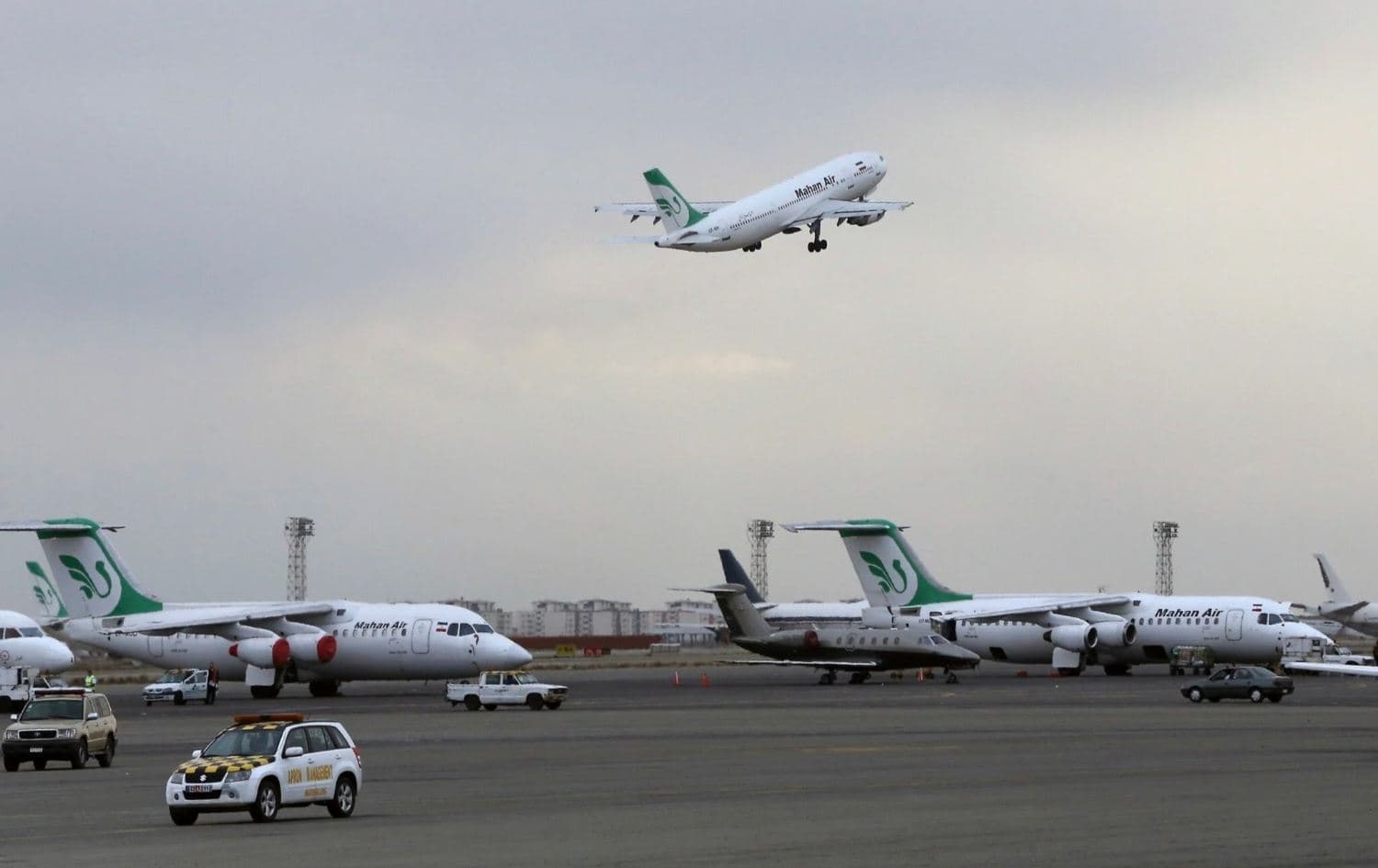
ERBIL, Kurdistan Region - Iran on Saturday reopened parts of its eastern airspace to international flights for the first time in more than six weeks, following de-escalation in the conflict involving the United States and Israel, the country’s civil aviation authority said in a statement.
“Air routes in the eastern section of the country’s airspace are open for international flights transiting through Iran,” the statement said, adding that several airports also resumed operations at 7:00 a.m.
Despite the announcement, flight-tracking websites have yet to show international flights crossing Iranian airspace, with many carriers continuing to take lengthy detours.
The move came a day after Tehran declared the Strait of Hormuz “completely open” to commercial shipping during the ceasefire period, while warning that access could again be restricted if hostilities resume. US President Donald Trump said the strait is “fully open and ready for passage,” but warned of continued pressure on Iran, including measures targeting its maritime activity.
The developments follow high-level talks between US and Iranian delegations in Islamabad last week, held with Pakistani facilitation, which ended without a final agreement. The US delegation included Vice President JD Vance, Special Envoy Steve Witkoff, and presidential adviser Jared Kushner. Iran was represented by parliamentary speaker Mohammad Baqer Ghalibaf and Foreign Minister Abbas Araghchi.
The meeting came after a two-week ceasefire agreed last week between Washington and Tehran, following nearly 40 days of conflict that began on February 28, when the US and Israel launched strikes on Iran. Tehran responded with drone and missile attacks and later tightened control over the Strait of Hormuz, restricting maritime traffic through the strategic waterway.