


Error occured during this request! Please try again later.
Iran


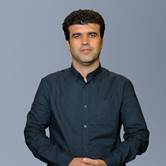
Journalist Ruhollah Zam was shown on Iranian state TV in October 2019 after he was abducted in Iraq and returned to Tehran. Photo: screengrab/IRIB
ERBIL, Kurdistan Region - The father of a prominent Iranian journalist who was abducted from Iraq and then hanged in Tehran has called on France and Iraq to explain if they had a role in the abduction of his son, following recent claims by a former Iranian intelligence officer.
Ruhollah Zam, an Iranian journalist and activist who was a political refugee in France, flew to Baghdad in October 2019 where he was abducted by Iranian agents and returned to Tehran. He was executed on December 12 last year.
This month a former Iranian intelligence officer made allegations that France handed Zam over to Tehran in exchange for a French intelligence officer who was reportedly captured in Syria by Iranian allied groups.
The journalist’s father Mohammad Ali Zam issued a statement on Instagram on Saturday in which he spoke about the pain of accepting the loss of his son’s life. He described the allegations by the “burnt” intelligence officer as “fabricated stories to deceive public opinion and to diminish their criminal act.”
After Zam’s execution, Amnesty International said it was “horrified” and condemned Iran’s use of the death penalty. “His execution is a deadly blow to freedom of expression in Iran and shows the extent of the Iranian authorities’ brutal tactics to instill fear and deter dissent.”
Mohammad Ali Zam, a cleric and supporter of the Islamic Republic before the execution of his son, said that while he appreciates France’s stance in giving asylum to those in danger including his son, he laments the fact that the French secret service did not prevent his son from traveling to Baghdad. “I expect the French government to hold to account those who deceived and facilitated his trip from its [French] soil, be it the then officials at the Iraqi embassy, and laments the fact that its [French] officers did not prevent him from exiting the country.”
“I expect that the governments of France, Iraq… feel responsible for the human and emotional consequences of his murder and announce their official positions on the share of their responsibility or rejecting their participation in this inhumane catastrophe,” he added.
Ruhollah Zam was the head of a popular telegram channel Amadnews that was read by millions of people inside Iran and played a critical role in informing people during anti-government protests in 2017 and 2018. Zam relied on information provided by top disgruntled officials within the Iranian establishment and repeatedly caused uproar inside the country. He was a political refugee in France under the protection of French security establishment. He flew in October 2019 to Iraq reportedly to meet with Ayatollah Ali Sistani, but this was a ploy to draw him into the country where intelligence officers from Iran’s Islamic Revolutionary Guard Corps (IRGC) and their allied Iraqi Shia militias are able to strike at Iranian dissidents.
Zam went through a sham trial in Iran that was condemned by Iranian and international human rights organizations and appears to have forced to make a televised confession.
He topped the November ranking of the One Free Press Coalition’s “10 Most Urgent” list of press freedom cases. The top ten cases are the journalists whose press freedoms are suppressed or are cases in which justice is sought.
Ruhollah Zam, an Iranian journalist and activist who was a political refugee in France, flew to Baghdad in October 2019 where he was abducted by Iranian agents and returned to Tehran. He was executed on December 12 last year.
This month a former Iranian intelligence officer made allegations that France handed Zam over to Tehran in exchange for a French intelligence officer who was reportedly captured in Syria by Iranian allied groups.
The journalist’s father Mohammad Ali Zam issued a statement on Instagram on Saturday in which he spoke about the pain of accepting the loss of his son’s life. He described the allegations by the “burnt” intelligence officer as “fabricated stories to deceive public opinion and to diminish their criminal act.”
After Zam’s execution, Amnesty International said it was “horrified” and condemned Iran’s use of the death penalty. “His execution is a deadly blow to freedom of expression in Iran and shows the extent of the Iranian authorities’ brutal tactics to instill fear and deter dissent.”
Mohammad Ali Zam, a cleric and supporter of the Islamic Republic before the execution of his son, said that while he appreciates France’s stance in giving asylum to those in danger including his son, he laments the fact that the French secret service did not prevent his son from traveling to Baghdad. “I expect the French government to hold to account those who deceived and facilitated his trip from its [French] soil, be it the then officials at the Iraqi embassy, and laments the fact that its [French] officers did not prevent him from exiting the country.”
“I expect that the governments of France, Iraq… feel responsible for the human and emotional consequences of his murder and announce their official positions on the share of their responsibility or rejecting their participation in this inhumane catastrophe,” he added.
Ruhollah Zam was the head of a popular telegram channel Amadnews that was read by millions of people inside Iran and played a critical role in informing people during anti-government protests in 2017 and 2018. Zam relied on information provided by top disgruntled officials within the Iranian establishment and repeatedly caused uproar inside the country. He was a political refugee in France under the protection of French security establishment. He flew in October 2019 to Iraq reportedly to meet with Ayatollah Ali Sistani, but this was a ploy to draw him into the country where intelligence officers from Iran’s Islamic Revolutionary Guard Corps (IRGC) and their allied Iraqi Shia militias are able to strike at Iranian dissidents.
Zam went through a sham trial in Iran that was condemned by Iranian and international human rights organizations and appears to have forced to make a televised confession.
He topped the November ranking of the One Free Press Coalition’s “10 Most Urgent” list of press freedom cases. The top ten cases are the journalists whose press freedoms are suppressed or are cases in which justice is sought.


Comments
Rudaw moderates all comments submitted on our website. We welcome comments which are relevant to the article and encourage further discussion about the issues that matter to you. We also welcome constructive criticism about Rudaw.
To be approved for publication, however, your comments must meet our community guidelines.
We will not tolerate the following: profanity, threats, personal attacks, vulgarity, abuse (such as sexism, racism, homophobia or xenophobia), or commercial or personal promotion.
Comments that do not meet our guidelines will be rejected. Comments are not edited – they are either approved or rejected.
Post a comment