


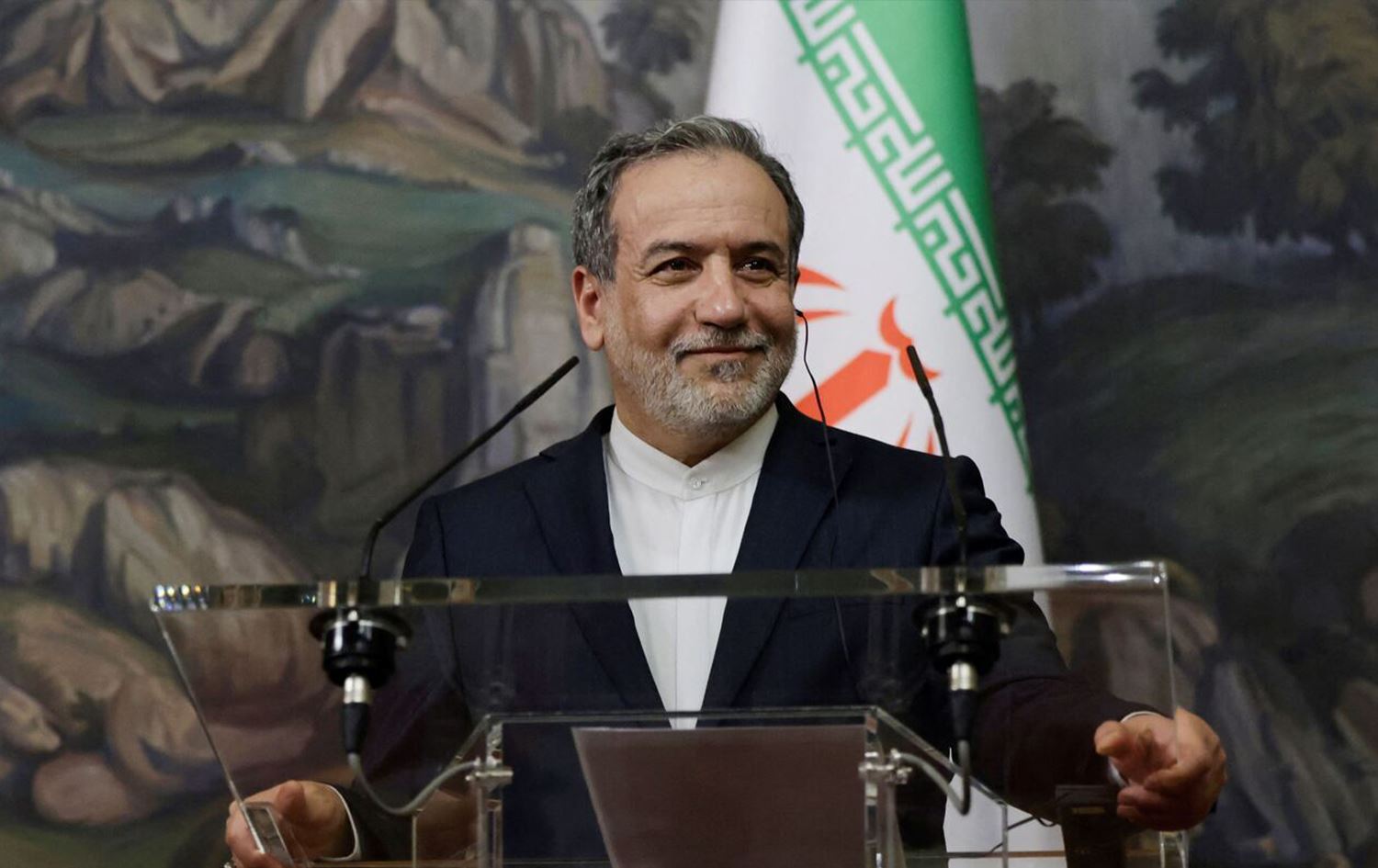
ERBIL, Kurdistan Region - Iran will uphold its right to nuclear enrichment, the country’s foreign minister said on Thursday, ahead of scheduled talks with European powers on Friday.
“After the recent war, it was necessary to make sure they [the West] were aware that the position of the Islamic Republic of Iran remains strong and steadfast, that our enrichment will continue, and that we are not giving up this right of the Iranian people,” Abbas Araghchi said ahead of the scheduled meeting with three European countries, or E3, in Istanbul regarding Tehran’s nuclear program as cited by state owned IRNA news agency.
The fresh talks between Iran and the E3 will be the first nuclear negotiations since the United States and Israel attacked Iran’s nuclear facilities last month and the 12-day war between Tehran and Tel Aviv ended.
Araghchi emphasized that Iran has never failed to gain trust of the concerned countries regarding Tehran’s nuclear program, adding that, in return, Iran expects respect regarding “its legitimacy in the peaceful use of nuclear energy, including enrichment.”
Earlier in July, Iranian President Masoud Pezeshkian ratified a law suspending cooperation with the International Atomic Energy Agency (IAEA), effectively blocking inspectors from entering the country until Iran receives guarantees protecting its nuclear infrastructure.
Pezeshkian claimed that Israeli intelligence may have obtained sensitive information from IAEA inspectors.
Last month, French Foreign Minister Jean-Noel Barrot said that the Europeans would be "justified" in seeking a snapback of UN sanctions lifted under a 2015 nuclear deal between Iran and major powers, later abandoned by US President Donald Trump.
Under a 2015 deal with world powers - formally known as the Joint Comprehensive Plan of Action (JCPOA) - Iran agreed to curb its nuclear enrichment program in exchange for much-needed relief from crippling sanctions.
But the deal began unraveling in 2018 when Washington, under Trump’s first term, unilaterally withdrew from the accord and reimposed biting sanctions on the Islamic republic, which in turn began rolling back on its nuclear commitments.
Iran’s top leadership has repeatedly stressed that atomic weapons have no place in the Islamic republic’s doctrine.
Iran and the US had held five rounds of Oman-mediated indirect nuclear talks before the Israel-Iran war.
“After the recent war, it was necessary to make sure they [the West] were aware that the position of the Islamic Republic of Iran remains strong and steadfast, that our enrichment will continue, and that we are not giving up this right of the Iranian people,” Abbas Araghchi said ahead of the scheduled meeting with three European countries, or E3, in Istanbul regarding Tehran’s nuclear program as cited by state owned IRNA news agency.
The fresh talks between Iran and the E3 will be the first nuclear negotiations since the United States and Israel attacked Iran’s nuclear facilities last month and the 12-day war between Tehran and Tel Aviv ended.
Araghchi emphasized that Iran has never failed to gain trust of the concerned countries regarding Tehran’s nuclear program, adding that, in return, Iran expects respect regarding “its legitimacy in the peaceful use of nuclear energy, including enrichment.”
Earlier in July, Iranian President Masoud Pezeshkian ratified a law suspending cooperation with the International Atomic Energy Agency (IAEA), effectively blocking inspectors from entering the country until Iran receives guarantees protecting its nuclear infrastructure.
Pezeshkian claimed that Israeli intelligence may have obtained sensitive information from IAEA inspectors.
Last month, French Foreign Minister Jean-Noel Barrot said that the Europeans would be "justified" in seeking a snapback of UN sanctions lifted under a 2015 nuclear deal between Iran and major powers, later abandoned by US President Donald Trump.
Under a 2015 deal with world powers - formally known as the Joint Comprehensive Plan of Action (JCPOA) - Iran agreed to curb its nuclear enrichment program in exchange for much-needed relief from crippling sanctions.
But the deal began unraveling in 2018 when Washington, under Trump’s first term, unilaterally withdrew from the accord and reimposed biting sanctions on the Islamic republic, which in turn began rolling back on its nuclear commitments.
Iran’s top leadership has repeatedly stressed that atomic weapons have no place in the Islamic republic’s doctrine.
Iran and the US had held five rounds of Oman-mediated indirect nuclear talks before the Israel-Iran war.


Comments
Rudaw moderates all comments submitted on our website. We welcome comments which are relevant to the article and encourage further discussion about the issues that matter to you. We also welcome constructive criticism about Rudaw.
To be approved for publication, however, your comments must meet our community guidelines.
We will not tolerate the following: profanity, threats, personal attacks, vulgarity, abuse (such as sexism, racism, homophobia or xenophobia), or commercial or personal promotion.
Comments that do not meet our guidelines will be rejected. Comments are not edited – they are either approved or rejected.
Post a comment