ERBIL, Kurdistan Region - Iran has strongly condemned the European Union’s decision to designate its military force, the Islamic Revolutionary Guard Corps (IRGC), as a “terrorist organization,” calling the move a dangerous escalation amid heightened regional tensions.
Iranian Foreign Minister Abbas Araghchi accused Europe of inflaming instability rather than preventing conflict.
“Several countries are presently attempting to avert the eruption of all-out war in our region. None of them are European,” Araghchi said in a post on X.
He described the designation as a “major strategic mistake” carried out at the behest of the United States.
The decision was announced Thursday following a meeting of EU foreign ministers.
EU High Representative for Foreign Affairs and Security Policy Kaja Kallas confirmed the move, saying the bloc had taken a “decisive step” in response to Iran’s conduct.
“Repression cannot go unanswered,” Kallas wrote on X.
In addition to the designation, the EU approved sanctions against 15 individuals and six entities accused of being responsible for serious human rights violations in Iran, according to a statement from the Council of the European Union.
Araghchi dismissed the measures as hypocritical, accusing Europe of selective outrage. He argued that the EU’s stance ignores the consequences such actions could have for Europe itself, particularly if regional conflict leads to soaring energy prices.
Iran’s General Staff of the Armed Forces also condemned the decision, calling it “illogical, irresponsible and spiteful,” and alleging it was made in “unconditional obedience” to U.S. and Israeli policies.
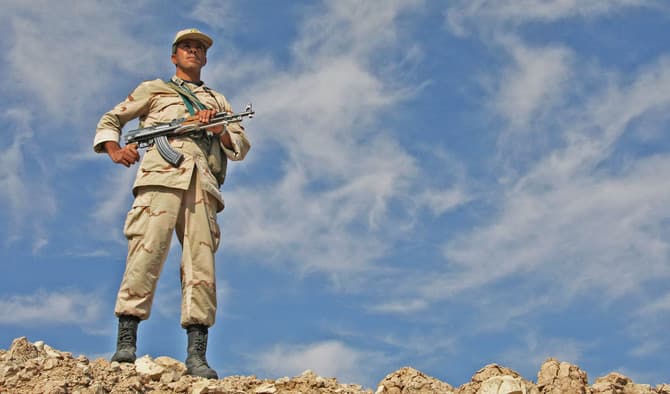
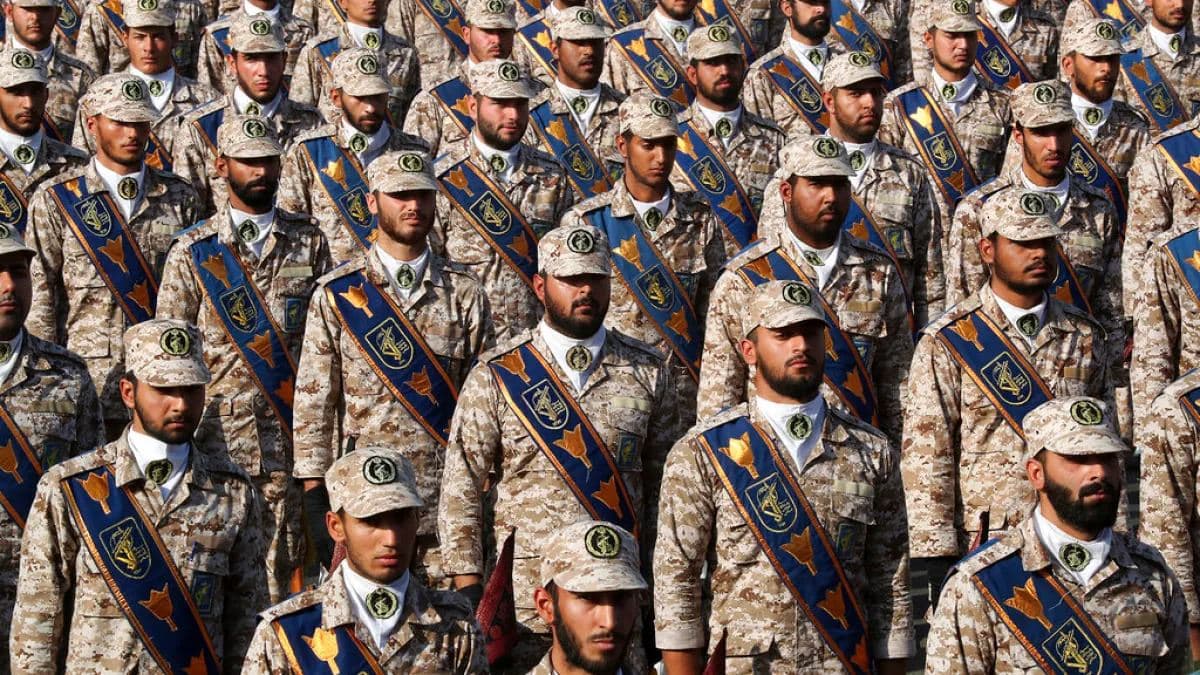
The IRGC is a powerful branch of Iran’s armed forces, tasked with protecting the Islamic Republic and wielding significant influence over the country’s political, economic, and security affairs. Western governments have long accused it of human rights abuses at home and destabilizing activities abroad.
Iran has faced widespread protests since late December, sparked by public anger over political repression and economic hardship. Security forces have responded with a harsh crackdown. While the exact death toll remains unclear due to internet blackouts and restricted access for journalists, thousands of protesters and security personnel are believed to have been killed.
Amnesty International has called the violence a “massacre” and urged urgent international action. The rights group said verified videos and eyewitness accounts point to “mass unlawful killings on an unprecedented scale,” carried out amid a deliberate communications blackout to conceal abuses.