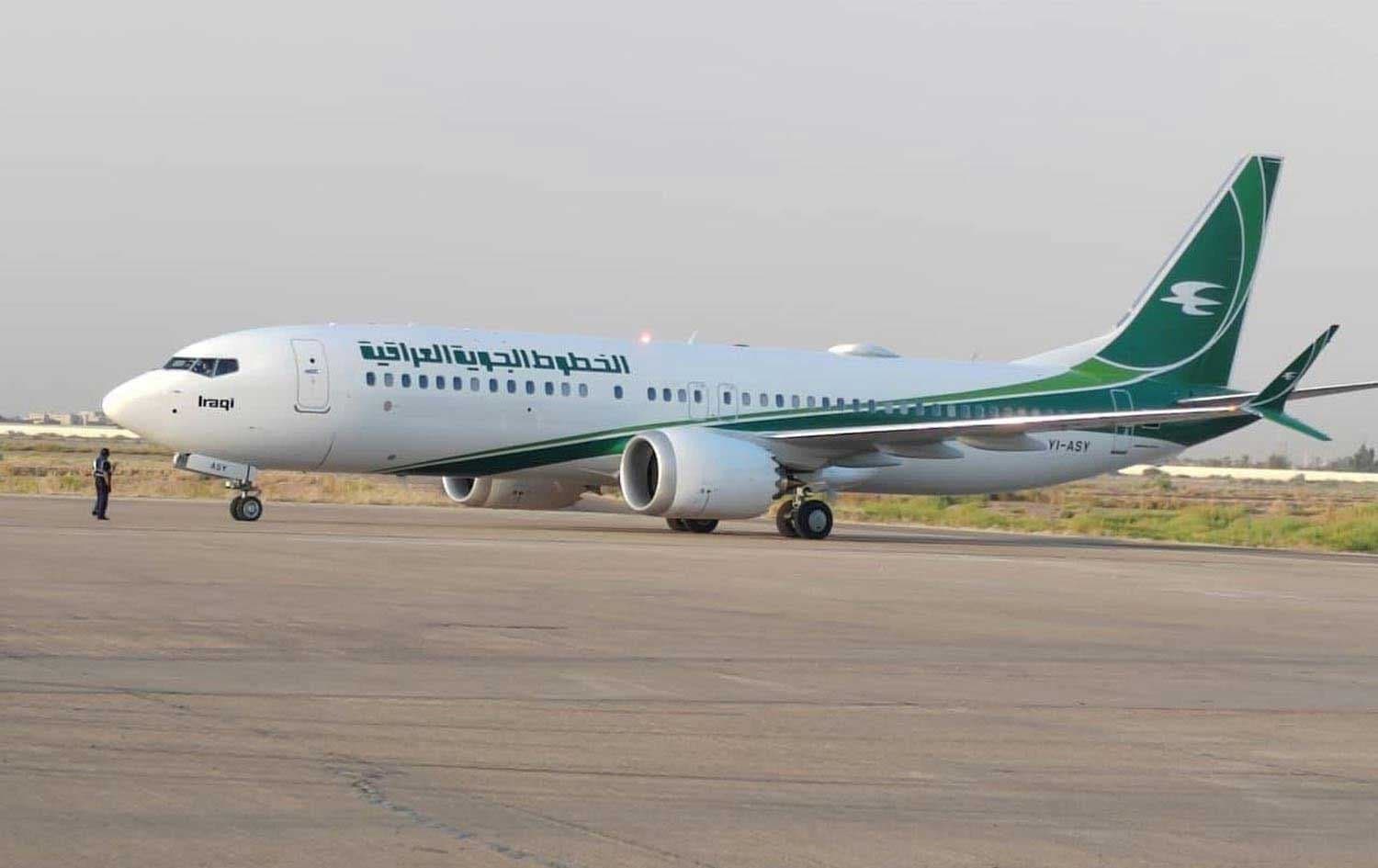
ERBIL, Kurdistan Region - The Iraqi government is studying the possibility of reopening parts of the country’s airspace to resume flights on a limited basis, following more than a month of closure caused by escalating regional tensions.
Maysam Safi, spokesperson for the Ministry of Transportation, told Rudaw on Thursday that authorities have begun assessing how to reopen sections of Iraqi airspace in line with international safety standards.
During a meeting of the Iraqi Council of Ministers on Tuesday, officials agreed to establish close coordination between civil aviation authorities and the military to ensure flights can resume once the security situation allows.
The move comes as Iraq’s airspace has remained closed since February 28, when the United States and Israel began a large-scale military campaign against Iran. In response, Tehran and allied armed groups have launched drone and missile attacks targeting Israel and US bases across the region, further intensifying instability.
The prolonged hostilities have severely disrupted air travel and widespread airspace closures across the region.
Last month, Iraq's Civil Aviation Authority said the shutdown was necessary due to the use of Iraqi airspace by Iran, Israel, and the United States for missile launches and military operations, posing “a significant risk to civil aviation.”
Safi highlighted the complexities of reopening under current conditions, noting: "Last year, during military operations, we were able to open a portion of Iraqi airspace by utilizing safe corridors through Gulf countries, but the current crisis is different."
He added that, "the airspace of several neighboring countries is closed and the scope of the war has expanded," creating major challenges for managing air traffic safely.
For now, Iraq's air travel remains suspended, with transportation limited to land routes.
.jpeg&w=3840&q=75)