


Error occured during this request! Please try again later.
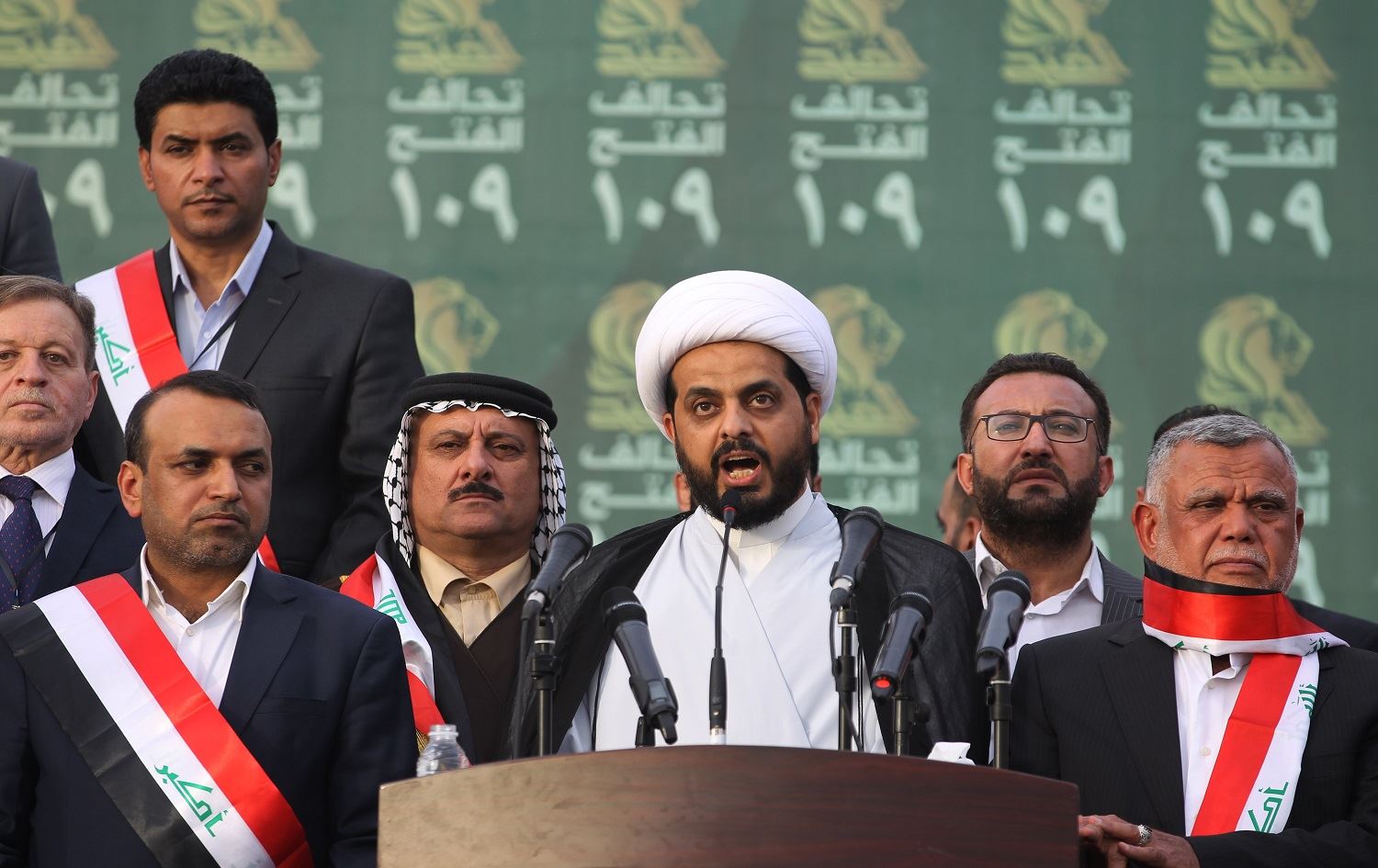
ERBIL, Kurdistan Region – The head of one of the largest Shiite blocs in the Iraqi parliament has refused the date of early elections announced by Iraqi Prime Minister Mustafa al-Kadhimi on Friday, suggesting they should be held in April 2021.
Hadi al-Amiri, secretary general of the Badr organization and head of the pro-Iran Fatih (Conquest) bloc released a statement on Sunday, published by Iraqi state media, which called for parliamentary elections in April of next year.
“We welcome early elections, but we think that early April is a much better date,” al-Amiri said in the statement.
Prime Minister Mustafa al-Kadhimi announced on Friday evening that Iraqis will go to the polls on June 6 next year.
Iraq’s election commission announced the next day that they are ready for early elections as long as certain demands are met, including passing a new electoral law and allocating a budget for the vote.
The Nasr movement, headed by former Iraqi Prime Minister Haider al-Abadi, welcomed the announcement and called for “fair” elections.
“The coalition hopes that all political institutions and forces will express solidarity to overcome the obstacles related to the electoral law, the performance of the commission, and the governmental procedures guaranteeing fair and free elections, away from guardianship, hegemony, and fraud,” read a statement released by the movement on Saturday.
However, Speaker of Parliament Mohammed al-Halbousi also rejected the date proposed by Kadhimi, calling for elections to be held “sooner” to appease Iraqi protesters who have continued to demonstrate across Baghdad and southern cities.
“For the sake of Iraq, and sympathy for the sacrifices Iraqis have given for this country, we call on sooner elections,” Halbousi tweeted.
Approximately 600 Iraqis have been killed and 18,000 injured in demonstrations that first began in October 2019.
Kadhimi has called on the parliament to send the election law to President Barham Salih in order to be approved.
Iraq’s electoral system, built after the US invasion of 2003, divides the country into its ethnic components, divvying up power among Shiites, Sunnis, and Kurds. One demand of protesters in late 2019 was to throw out the old political battle lines and create a technocratic government that serves all Iraqis.
The election commission asked the parliament on Saturday to fill empty seats at the Federal Supreme Court, “which is the only body legally empowered to endorse the election results."
It also called on "the United Nations and other relevant international organizations to provide electoral assistance, and provide the oversight necessary to achieve free, transparent and fair elections that represent the true will of the Iraqi people."
The last parliamentary elections were held on May 12, 2018.


Comments
Rudaw moderates all comments submitted on our website. We welcome comments which are relevant to the article and encourage further discussion about the issues that matter to you. We also welcome constructive criticism about Rudaw.
To be approved for publication, however, your comments must meet our community guidelines.
We will not tolerate the following: profanity, threats, personal attacks, vulgarity, abuse (such as sexism, racism, homophobia or xenophobia), or commercial or personal promotion.
Comments that do not meet our guidelines will be rejected. Comments are not edited – they are either approved or rejected.
Post a comment