


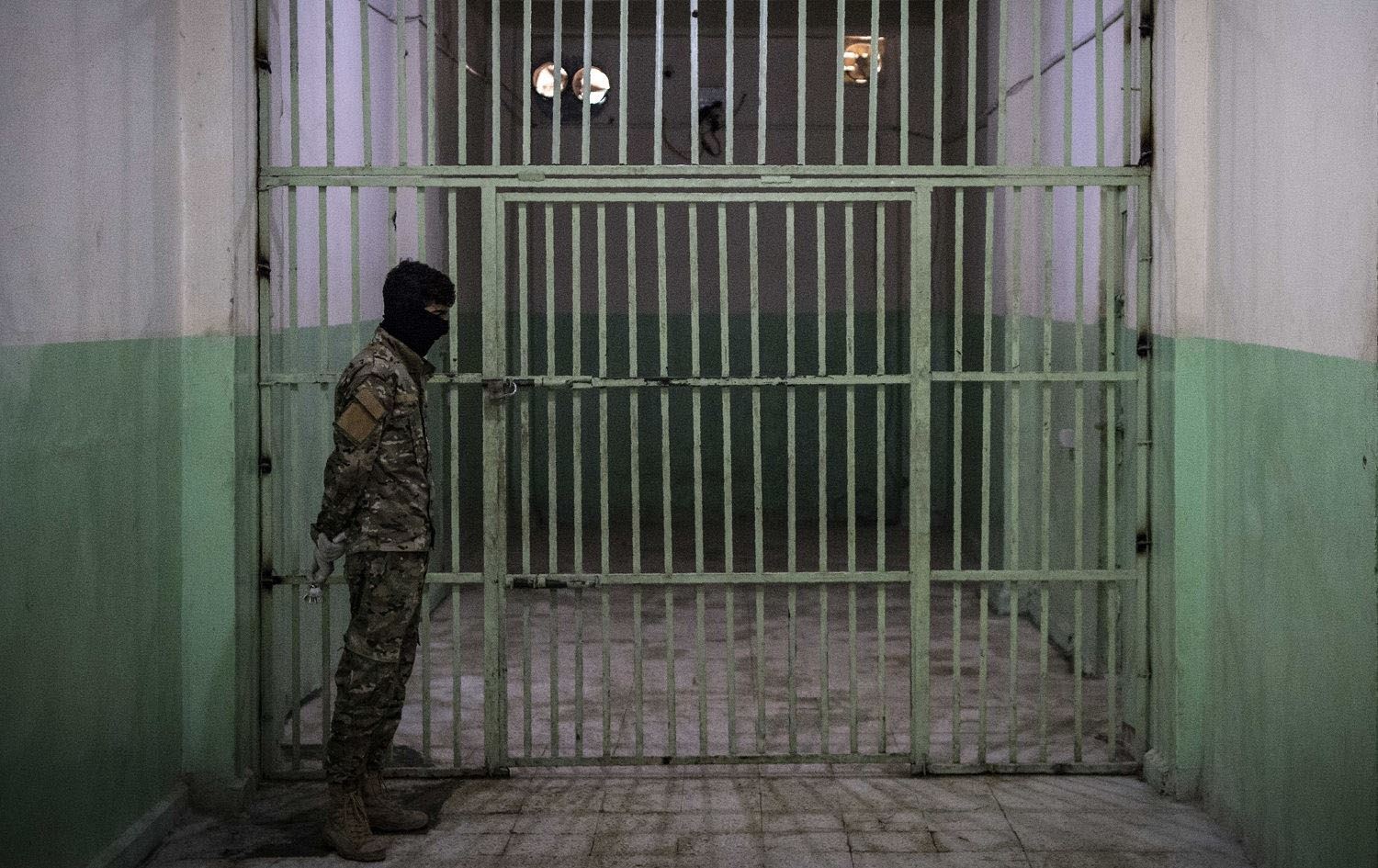
ERBIL, Kurdistan region - Over 30,000 inmates have been released from prisons across Iraq under the General Amnesty Law, the highest administrative authority overseeing the Iraqi judiciary reported on Tuesday.
In a statement, Iraq’s Supreme Judicial Council said that “the total number of individuals released from prisons and detention centers” under the amnesty law “reached 33,536.”
The Council added that “the number of defendants covered by the law - including those with arrest warrants, summons, bail, or who were sentenced in absentia - totaled 136,817.”
In January, the Iraqi parliament passed an amendment to the General Amnesty Law, as part of a legislative package that also included amendments to the Personal Status Law and a property restitution law.
The amnesty law has long been a key demand of Sunni Arab political parties in Iraq, who argue that anti-terrorism laws in post-2003 Iraq disproportionately target their community.
The law notably includes a revision of the definition of “affiliation with terrorist organizations” - a change that was a key prerequisite for Sunni Arab blocs to agree to join the ruling State Administration Coalition.
The amended bill went into effect in mid-February.
Following the Islamic State (ISIS) seized control of vast swathes of Iraqi territory in 2014. During the liberation process, thousands of people were arrested for alleged links to the group, especially in Sunni areas like Nineveh province.
According to statistics from the Iraqi justice ministry, the country has 30 prisons housing some 67,000 inmates, including 1,600 foreign nationals. These figures exclude the Kurdistan Region’s prisons and detainees held by security forces and various armed groups across Iraq.


Comments
Rudaw moderates all comments submitted on our website. We welcome comments which are relevant to the article and encourage further discussion about the issues that matter to you. We also welcome constructive criticism about Rudaw.
To be approved for publication, however, your comments must meet our community guidelines.
We will not tolerate the following: profanity, threats, personal attacks, vulgarity, abuse (such as sexism, racism, homophobia or xenophobia), or commercial or personal promotion.
Comments that do not meet our guidelines will be rejected. Comments are not edited – they are either approved or rejected.
Post a comment