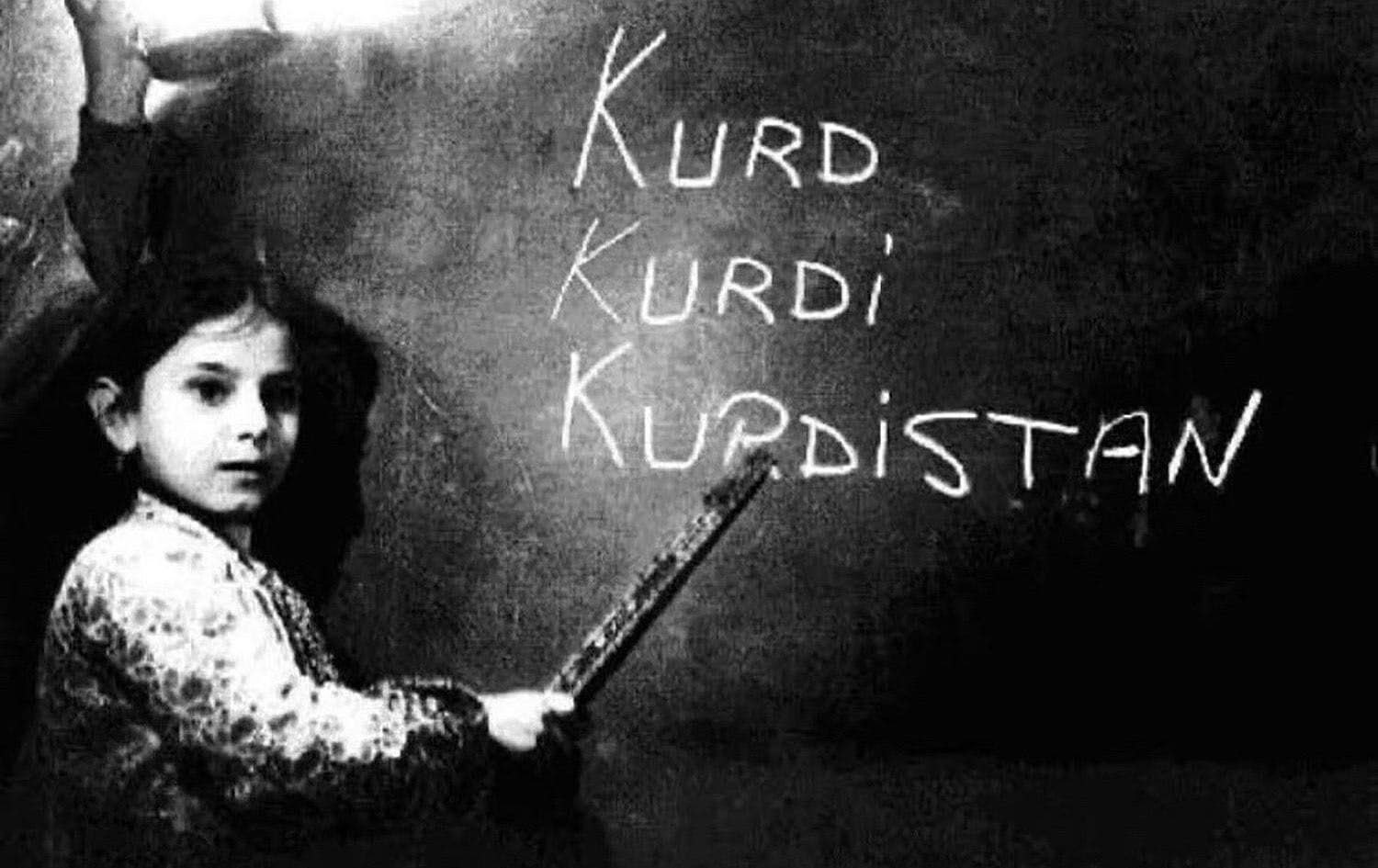
ERBIL, Kurdistan Region - The Kurdistan Regional Government (KRG) said on Wednesday that the dispute over the usage of Kurdish language in universities of Iraq’s disputed territories remains unresolved and warned it may turn to the Iraqi Federal Supreme Court if the issue is not addressed.
The General Board for Kurdistani Areas Outside the Region said the issue “has still not been resolved and the obstacles remain as they are, especially for law students and those subjects that have ministerial examinations.”
The board, an official body of the KRG that oversees administrative and political affairs in territories disputed between Erbil and Baghdad, warned that if the matter persists and Article 4 of the constitution is not upheld, it will resort to the Federal Court.
Article 4 of the constitution establishes Arabic and Kurdish as Iraq’s official languages and guarantees the right of Iraqis to be educated in their mother tongue, including Turkmen, Syriac, and Armenian.
In July, Iraq's higher education ministry sent a letter to universities and institutes in Kirkuk, Nineveh, and Diyala provinces, instructing that all teaching and examinations must be in Arabic or English, depending on specializations, and not Kurdish.
The three provinces are among the disputed territories between Erbil and Baghdad, falling under Article 140 of the constitution.
Following the fall of Saddam Hussein’s regime, Iraq adopted Article 140 of the constitution to reverse the Baath-era policy of Arabization in disputed Kurdish-populated areas in the provinces of Nineveh, Salahaddin, Kirkuk, and Diyala.
The board said it will “continue our efforts so that Article 4 of the constitution and our students' issue can be resolved and the problems facing the Kurdish language as the second-most widely used language can be removed.”
It also urged Kurdish officials in Baghdad “to intensify their efforts” to ensure Kurdish students can answer exam questions in their mother tongue and receive “necessary translation for clarifying lessons.”
Kurdish lawmakers in the Iraqi parliament strongly criticized the higher education ministry’s decision at the time.
Iraq’s Ministry of Higher Education and Scientific Research is led by Naim al-Aboudi, a senior figure in the Iran-aligned Asaib Ahl al-Haq movement.
The General Board for Kurdistani Areas Outside the Region said the issue “has still not been resolved and the obstacles remain as they are, especially for law students and those subjects that have ministerial examinations.”
The board, an official body of the KRG that oversees administrative and political affairs in territories disputed between Erbil and Baghdad, warned that if the matter persists and Article 4 of the constitution is not upheld, it will resort to the Federal Court.
Article 4 of the constitution establishes Arabic and Kurdish as Iraq’s official languages and guarantees the right of Iraqis to be educated in their mother tongue, including Turkmen, Syriac, and Armenian.
In July, Iraq's higher education ministry sent a letter to universities and institutes in Kirkuk, Nineveh, and Diyala provinces, instructing that all teaching and examinations must be in Arabic or English, depending on specializations, and not Kurdish.
The three provinces are among the disputed territories between Erbil and Baghdad, falling under Article 140 of the constitution.
Following the fall of Saddam Hussein’s regime, Iraq adopted Article 140 of the constitution to reverse the Baath-era policy of Arabization in disputed Kurdish-populated areas in the provinces of Nineveh, Salahaddin, Kirkuk, and Diyala.
The board said it will “continue our efforts so that Article 4 of the constitution and our students' issue can be resolved and the problems facing the Kurdish language as the second-most widely used language can be removed.”
It also urged Kurdish officials in Baghdad “to intensify their efforts” to ensure Kurdish students can answer exam questions in their mother tongue and receive “necessary translation for clarifying lessons.”
Kurdish lawmakers in the Iraqi parliament strongly criticized the higher education ministry’s decision at the time.
Iraq’s Ministry of Higher Education and Scientific Research is led by Naim al-Aboudi, a senior figure in the Iran-aligned Asaib Ahl al-Haq movement.
Comments
Rudaw moderates all comments submitted on our website. We welcome comments which are relevant to the article and encourage further discussion about the issues that matter to you. We also welcome constructive criticism about Rudaw.
To be approved for publication, however, your comments must meet our community guidelines.
We will not tolerate the following: profanity, threats, personal attacks, vulgarity, abuse (such as sexism, racism, homophobia or xenophobia), or commercial or personal promotion.
Comments that do not meet our guidelines will be rejected. Comments are not edited – they are either approved or rejected.
Post a comment