ERBIL, Kurdistan Region - Hundreds of people were hospitalized across Iraq on Wednesday after facing difficulty breathing as the country continues to experience a series of massive dust storms, Iraqi state media reported.
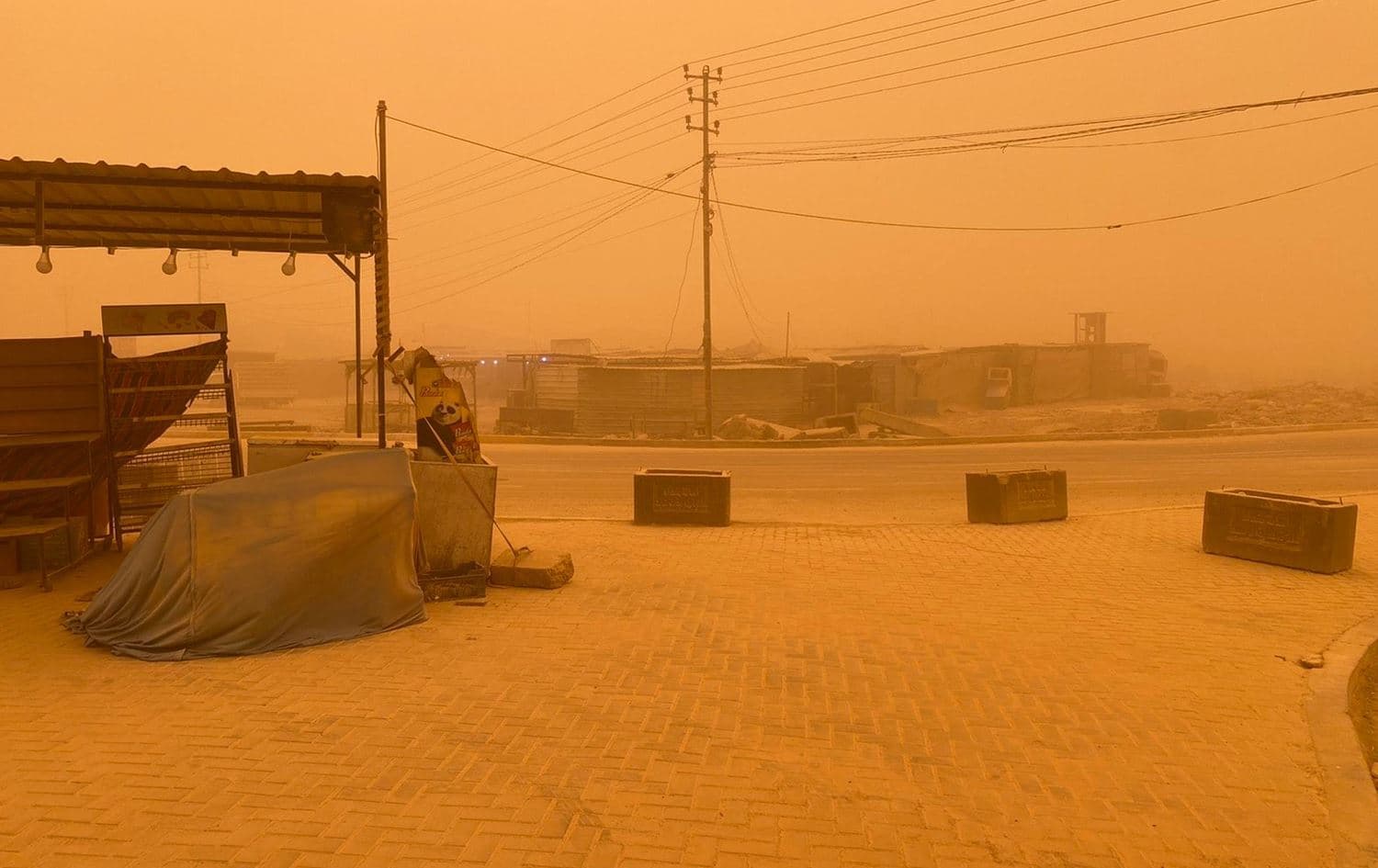
At least seven Iraqi provinces were subjected to heavy dust storms on Wednesday, reducing visibility in the areas hit by the storm and leading to difficulties in breathing. The provinces included Baghdad, Anbar, Kirkuk, Najaf, Karbala, Salahaddin, and al-Qadisiyah.
Salahaddin province recorded the highest number of breathing difficulties in the country with 322 people being hospitalized, Raid Ibrahim Hamad al-Juboori, the director of the province’s health directorate, told state media.
A total of 191 cases were reported across a number of different hospitals in Anbar, according to Director of Anbar’s health directorate Qais al-Ani, adding that the number was subject to increase.
Hospitals in al-Qadisiyah province’s city of Diwaniyah registered a total of 100 cases of people with breathing difficulties due to the dust storm, and Najaf province recorded over a hundred cases.
Dust storms are not uncommon in Iraq but are becoming more frequent due to drought and climate change with the country recording low rainfall and rising temperatures. Iraq is among the most affected countries by climate change.
Iraq's environment ministry in April said that the number of dusty days in Iraq has increased from 243 to 272 days per year over the past two decades, and it is expected to reach 300 dusty days per year in 2050.
Experts believe the dust increases as a result of the worsening drought which reduces the flow of water in the Tigris and Euphrates, creating drier and dustier land more susceptible to sand storms.
At least seven Iraqi provinces were subjected to heavy dust storms on Wednesday, reducing visibility in the areas hit by the storm and leading to difficulties in breathing. The provinces included Baghdad, Anbar, Kirkuk, Najaf, Karbala, Salahaddin, and al-Qadisiyah.
Salahaddin province recorded the highest number of breathing difficulties in the country with 322 people being hospitalized, Raid Ibrahim Hamad al-Juboori, the director of the province’s health directorate, told state media.
A total of 191 cases were reported across a number of different hospitals in Anbar, according to Director of Anbar’s health directorate Qais al-Ani, adding that the number was subject to increase.
Hospitals in al-Qadisiyah province’s city of Diwaniyah registered a total of 100 cases of people with breathing difficulties due to the dust storm, and Najaf province recorded over a hundred cases.
Dust storms are not uncommon in Iraq but are becoming more frequent due to drought and climate change with the country recording low rainfall and rising temperatures. Iraq is among the most affected countries by climate change.
Iraq's environment ministry in April said that the number of dusty days in Iraq has increased from 243 to 272 days per year over the past two decades, and it is expected to reach 300 dusty days per year in 2050.
Experts believe the dust increases as a result of the worsening drought which reduces the flow of water in the Tigris and Euphrates, creating drier and dustier land more susceptible to sand storms.
Comments
Rudaw moderates all comments submitted on our website. We welcome comments which are relevant to the article and encourage further discussion about the issues that matter to you. We also welcome constructive criticism about Rudaw.
To be approved for publication, however, your comments must meet our community guidelines.
We will not tolerate the following: profanity, threats, personal attacks, vulgarity, abuse (such as sexism, racism, homophobia or xenophobia), or commercial or personal promotion.
Comments that do not meet our guidelines will be rejected. Comments are not edited – they are either approved or rejected.
Post a comment