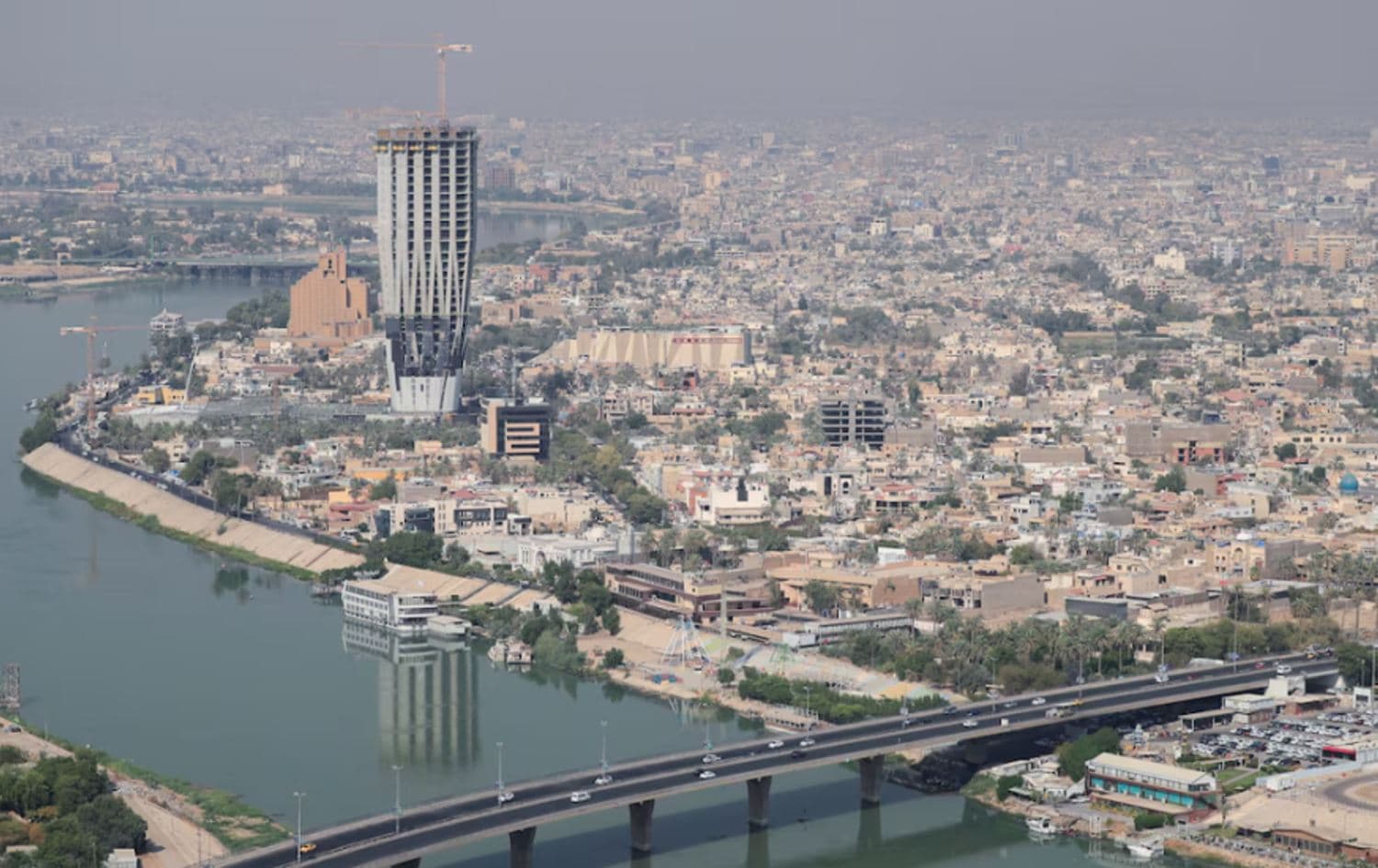
ERBIL, Kurdistan Region - At least four people, including two police officers and two armed men, were killed in a “tribal dispute” in the capital Baghdad, Iraq’s interior ministry said on Sunday.
“With deep sorrow and grief, the interior ministry announces the martyrdom of two federal police officers and the injury of five other members with varying injuries, while performing their sacred duties to resolve a tribal dispute,” the ministry said in a statement, about the conflict in Baghdad’s Rusafa district.
It accused the “elements causing the conflict” of attacking the policemen, saying “two attackers” were killed in the clashes and six others were arrested.
“Security forces are currently conducting extensive searches and raids in the area’s neighborhoods,” the ministry asserted.
Tribal conflicts in Iraq continue to be a major concern for the federal government.
Armed clashes, especially in Basra, Maysan, and Dhi Qar provinces, remain a frequent occurrence, with some requiring intervention from the Iraqi military. These disputes typically involve light and medium weapons, and in some cases, mortar shells. They also frequently turn deadly and leave casualties.
The conflicts are also compounded by the widespread availability of arms, with tribes in the region possessing millions of weapons, many obtained from military caches of the regime of toppled Iraqi dictator Saddam Hussein and paramilitary groups.
In the Sunday statement, the interior ministry vowed to “strike with an iron fist” the “criminals and those involved in inciting tribal strife.”
“There will be no leniency in pursuing them until the very last moment,” it stressed.
The dynamics of tribal violence have evolved in recent years, with political parties sometimes covering for their tribal affiliates, exacerbating the situation. The complex web of tribal, political, and paramilitary networks makes it difficult for the government to enforce the rule of law.
Between 2019 and 2021, Iraq’s southernmost Basra province alone witnessed 280 armed disputes, resulting in 35 deaths and 74 injuries.
“With deep sorrow and grief, the interior ministry announces the martyrdom of two federal police officers and the injury of five other members with varying injuries, while performing their sacred duties to resolve a tribal dispute,” the ministry said in a statement, about the conflict in Baghdad’s Rusafa district.
It accused the “elements causing the conflict” of attacking the policemen, saying “two attackers” were killed in the clashes and six others were arrested.
“Security forces are currently conducting extensive searches and raids in the area’s neighborhoods,” the ministry asserted.
Tribal conflicts in Iraq continue to be a major concern for the federal government.
Armed clashes, especially in Basra, Maysan, and Dhi Qar provinces, remain a frequent occurrence, with some requiring intervention from the Iraqi military. These disputes typically involve light and medium weapons, and in some cases, mortar shells. They also frequently turn deadly and leave casualties.
The conflicts are also compounded by the widespread availability of arms, with tribes in the region possessing millions of weapons, many obtained from military caches of the regime of toppled Iraqi dictator Saddam Hussein and paramilitary groups.
In the Sunday statement, the interior ministry vowed to “strike with an iron fist” the “criminals and those involved in inciting tribal strife.”
“There will be no leniency in pursuing them until the very last moment,” it stressed.
The dynamics of tribal violence have evolved in recent years, with political parties sometimes covering for their tribal affiliates, exacerbating the situation. The complex web of tribal, political, and paramilitary networks makes it difficult for the government to enforce the rule of law.
Between 2019 and 2021, Iraq’s southernmost Basra province alone witnessed 280 armed disputes, resulting in 35 deaths and 74 injuries.
Comments
Rudaw moderates all comments submitted on our website. We welcome comments which are relevant to the article and encourage further discussion about the issues that matter to you. We also welcome constructive criticism about Rudaw.
To be approved for publication, however, your comments must meet our community guidelines.
We will not tolerate the following: profanity, threats, personal attacks, vulgarity, abuse (such as sexism, racism, homophobia or xenophobia), or commercial or personal promotion.
Comments that do not meet our guidelines will be rejected. Comments are not edited – they are either approved or rejected.
Post a comment