


ERBIL, Kurdistan Region — Iraq’s Ministry of Water Resources has announced plans to confront the country’s water shortages, state media reported on Thursday.
"The ministry has prepared a plan to confront the challenges that climate change may impose from low water levels in the coming years, as well as the maintenance of storage facilities and the irrigation system in general," ministry spokesperson Ali Radi told the Iraqi News Agency (INA) on Thursday.
Experts and a high ministerial committee “held a meeting to study the possibility of constructing a dam on the Tigris River north of the Mosul Dam, specifically in the area close to the Turkish-Syrian border," Radi added.
Officials have warned that dams built by Turkey and Iran have contributed to a growing water crisis in the southern and central provinces of Iraq, as well as in the Kurdistan Region.
Despite being widely accused of hoarding the essential resource, Turkey and Iran said they would cooperate with Iraq on water availability issues during an international water conference held last month in Baghdad, the first to be held in Iraq.
Minister of Water Resources Mahdi Rashid Al-Hamdani has announced construction on Makhoul Dam will begin on May 1, saying the project is “one of the largest strategic projects since 2003” in the realm of water and economic insecurity in Iraq.
Iraq is the world’s fifth most vulnerable nation to the effects of climate change, including water and food insecurity, according to the United Nations. After years of conflict and mired in political and economic crises, it is also one of the least prepared to deal with the emergency.
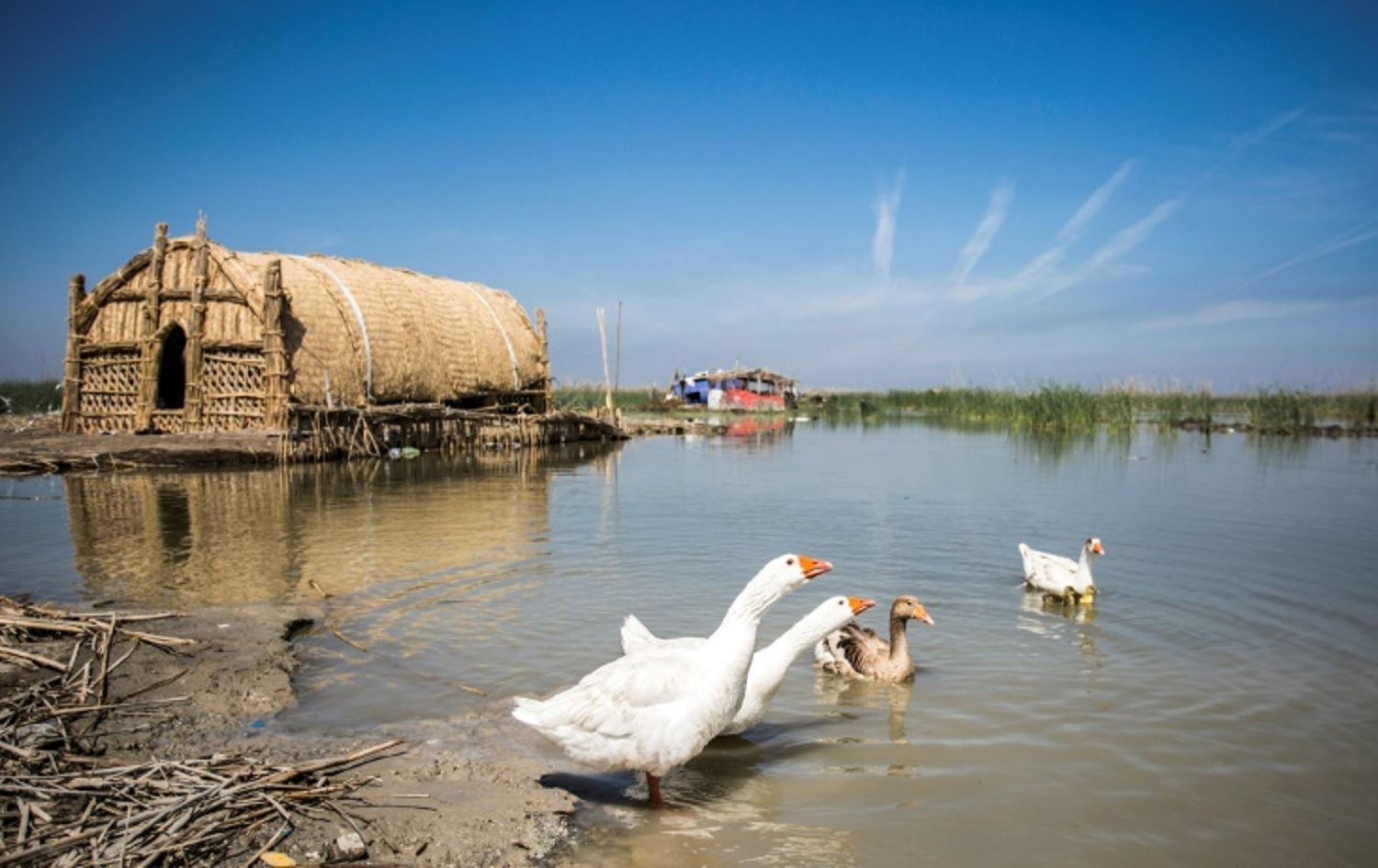
Drought has wreaked havoc on farming in the plains near the city of Kalha in Iraq’s southern province of Maysan, but Maysan is not the only province to suffer from water shortages.
According to a 2020 report by the Norwegian Refugee Council (NRC) and a number of other non-governmental organizations, water shortages have triggered almost 15,000 new displacements in Dhi-Qar, Maysan and Basra provinces as of January 2019.
The Kurdistan Region is not immune to the problem. Officials warned this week that the region is in the midst of a “water crisis.”


Comments
Rudaw moderates all comments submitted on our website. We welcome comments which are relevant to the article and encourage further discussion about the issues that matter to you. We also welcome constructive criticism about Rudaw.
To be approved for publication, however, your comments must meet our community guidelines.
We will not tolerate the following: profanity, threats, personal attacks, vulgarity, abuse (such as sexism, racism, homophobia or xenophobia), or commercial or personal promotion.
Comments that do not meet our guidelines will be rejected. Comments are not edited – they are either approved or rejected.
Post a comment