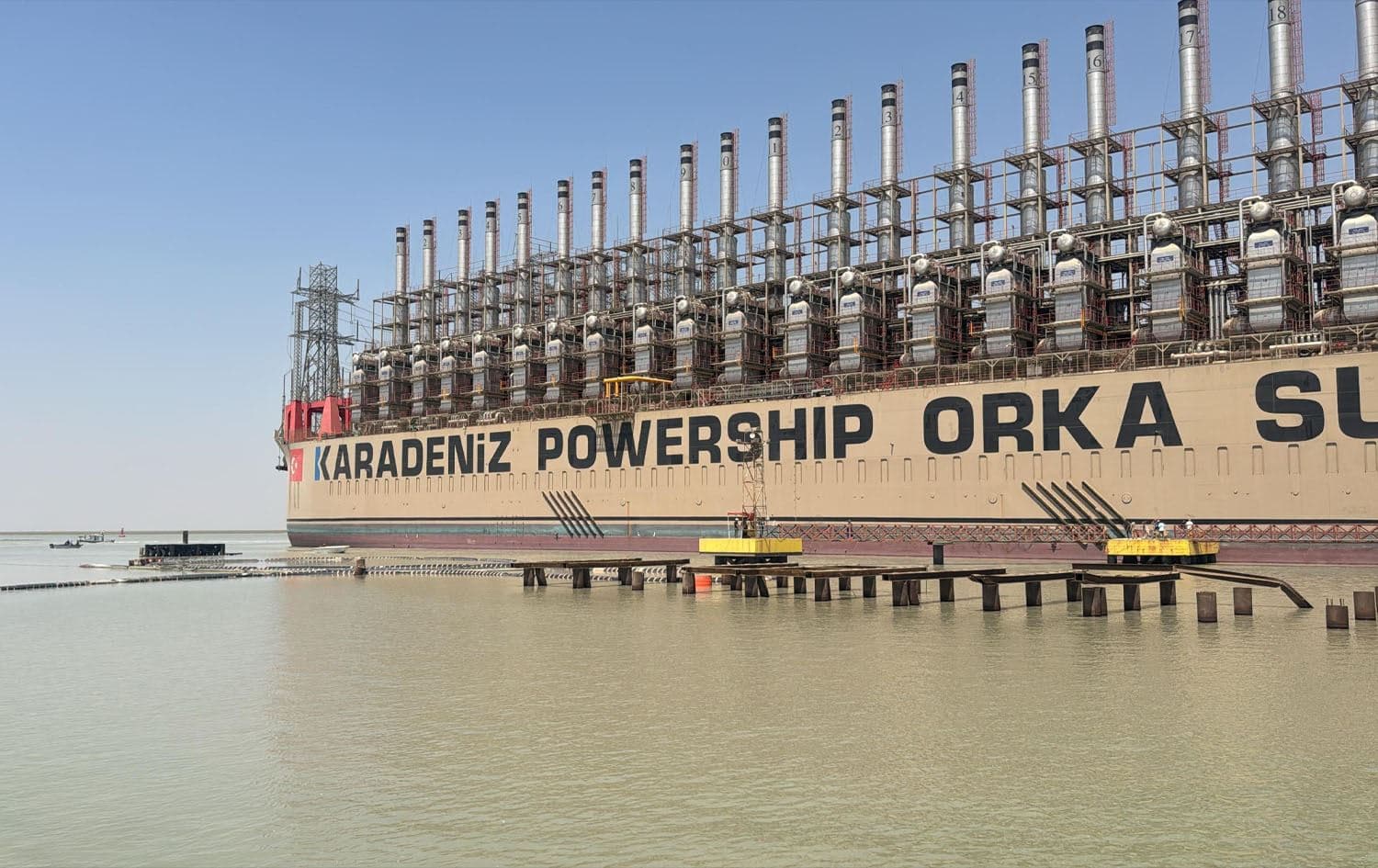

Two Turkish ships carrying mobile power plants arrived at the port on August 21 and 23 to help ease outages in Iraq as the country continues to suffer electricity shortages amid a scorching summer.
“Turkey's first power-generating ship has begun operations in the port of Umm Qasr, adding 300 megawatts of electricity to the national grid,” Iraqi electricity ministry spokesperson Ahmed Musa told Rudaw on Tuesday.
He added that the second ship will begin generating power next week, contributing an additional 290 megawatts.
The two ships will provide electricity for 71 days under an agreement between Baghdad and Ankara, with the Iraqi government supplying the diesel fuel needed for generation, Musa explained.
The deal follows a June agreement to double Iraq’s electricity imports from Turkey - from 300 to 600 megawatts.
Baghdad has scrambled to secure alternative energy sources since Washington in March revoked a waiver that had allowed Iraq to purchase electricity from Iran, its longtime supplier. Prime Minister Mohammed Shia’ al-Sudani has since sought to diversify supplies, including tapping natural gas and importing power from Jordan, Turkey, and Turkmenistan.
The crisis escalated in late August when Turkey completely halted its 600-megawatt electricity exports. Musa said last week the suspension was linked to Baghdad’s failure to make payments.
It is unclear if the total outputs of the two ships are part of that 600-megawatt agreement.
In addition to imports, Iraq is pursuing renewable energy projects. In March, the electricity ministry announced it was close to signing agreements with Emirati and Saudi-based companies to build solar power plants.
Hastyar Qadir contributed to this report.
.webp&w=3840&q=75)