ERBIL, Kurdistan Region - The Iraq-Iran committee formed to implement a 2023 border agreement aimed at disarming and relocating Kurdish opposition groups based in the Kurdistan Region held a meeting in Baghdad on Monday. This comes as Tehran has since the outbreak of the Iran war intensified its attacks on Kurdish dissident groups in the Region, despite their non-involvement in the conflict.
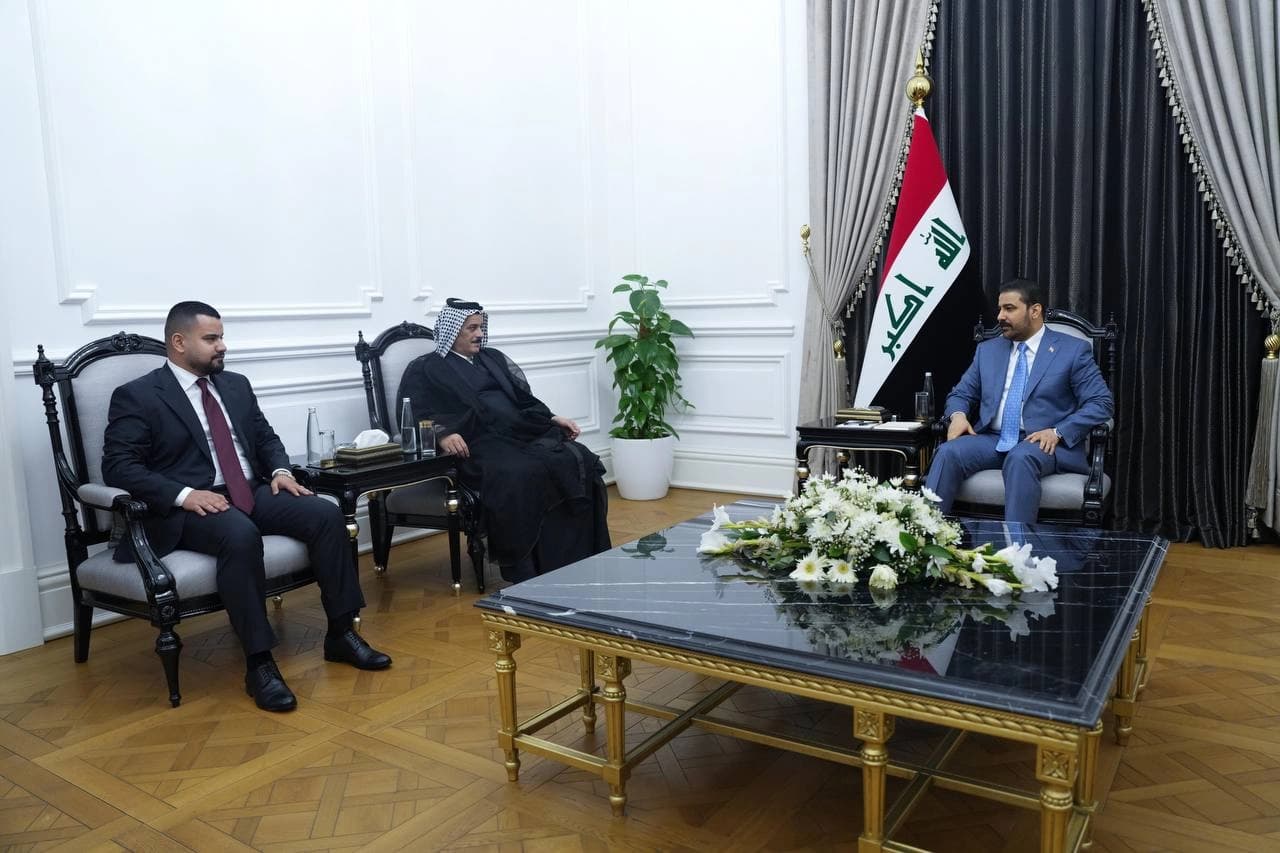
The High Committee for the Implementation of the Security Agreement met in the presence of Iraqi National Security Advisor Qasim al-Araji, where delegates from Baghdad and Tehran “emphasized the importance of strengthening joint security coordination, tightening border control measures, and preventing any infiltration or movements by terrorist or armed groups that could threaten security and stability in both countries and the wider region,” according to Araji’s office.
The Iranian side reportedly “presented information related to the activities of certain Iranian armed groups present in the Kurdistan Region,” the Advisor’s office added, noting that “it was agreed to continue coordination and take necessary measures to address this issue in a comprehensive manner, ensuring the prevention of any activities that could threaten regional security or undermine stability.”
For his part, Araji reaffirmed “Iraq’s firm position” against “the use of Iraqi territory as a launching pad for any hostile acts, security operations, or military actions targeting neighboring countries,” in a way that aligns with “Baghdad’s efforts to consolidate regional security, respect state sovereignty, and promote shared stability.”
In March 2023, Iran and Iraq signed a security pact under which Baghdad committed to disarming Kurdish opposition groups and tightening security along the shared border.
Iran had threatened military action if Baghdad failed to implement the agreement, accusing Iranian Kurdish opposition groups based in the Kurdistan Region of fueling Iran’s nationwide protest movement in 2022 and inciting unrest.
The groups, which seek greater rights for Iran’s marginalized Kurdish population, have been locked down in an intermittent conflict with the Islamic Republic for decades.
The US and Israel launched a large-scale aerial campaign against Iran in late February, striking thousands of targets over six weeks of hostilities. In response, Iran carried out thousands of drone and missile strikes across the Middle East, targeting alleged US assets and launching retaliatory attacks against Israel.
The Iranian response also involved Iraqi armed groups aligned with the Tehran-led ‘Axis of Resistance,’ with several factions claiming responsibility for attacks on purported US targets in the region, including in Iraq and the Kurdistan Region.
Continued attacks
Tehran on Sunday launched an attack involving several missiles against a position of the Komala Toilers of Kurdistan in the northeastern part of Erbil province, an official from the Kurdish dissident group told Rudaw.
“As part of the Islamic Republic’s ongoing attacks against Komala, at 12:45 pm [local time on Sunday], three missiles were fired at the Komala headquarters in Alana Valley near the town of Khalifan,” Amjad Hussein Pana said.
Since the start of the Iran war in late February, he added, Tehran “has targeted Komala positions and headquarters with more than 76 missiles and drones.”
Another group, the Democratic Party of Iranian Kurdistan (KDPI), on Thursday said its bases in the Kurdistan Region have endured around 120 drone and missile attacks since the start of the Iran war, despite not being a party to the conflict.
The US and Iran later agreed to a Pakistan-mediated ceasefire on April 8, halting fighting to allow space for talks. While the first round of discussions concluded without a final agreement on April 11, a second round has yet to take place, as the war has yet to fully conclude.
Despite the truce, the Kurdistan Regional Government’s (KRG) Department of Media and Information in late April reported that since the outbreak of the Iran war through April 20, the Region endured over 809 attacks, which “resulted in 20 martyrs and 123 wounded.”
Kurdish leaders have repeatedly censured Tehran over the attacks, which continue despite the ceasefire and despite the Kurdistan Region not being a party to the conflict, nor allowing its territory to be used as a launchpad for attacks against Iran.
In a late April interview with Rudaw, Hamid Reza Gholamzadeh, director of Iran’s Diplomatic House and former editor-in-chief of the semi-official Mehr News Agency, stated that Iran views the attacks on Kurdish opposition groups as part of “efforts to secure its border that began even before the [six-week] war.”
He hinted that Tehran would continue to “defend its own security” against them, adding that this issue “is not connected to war. It is more about the security of the borders,” he said.