
ERBIL, Kurdistan Region - Iraq’s oil minister said on Saturday that Erbil is demanding more oil for domestic consumption and this is delaying the resumption of Kurdish oil exports.
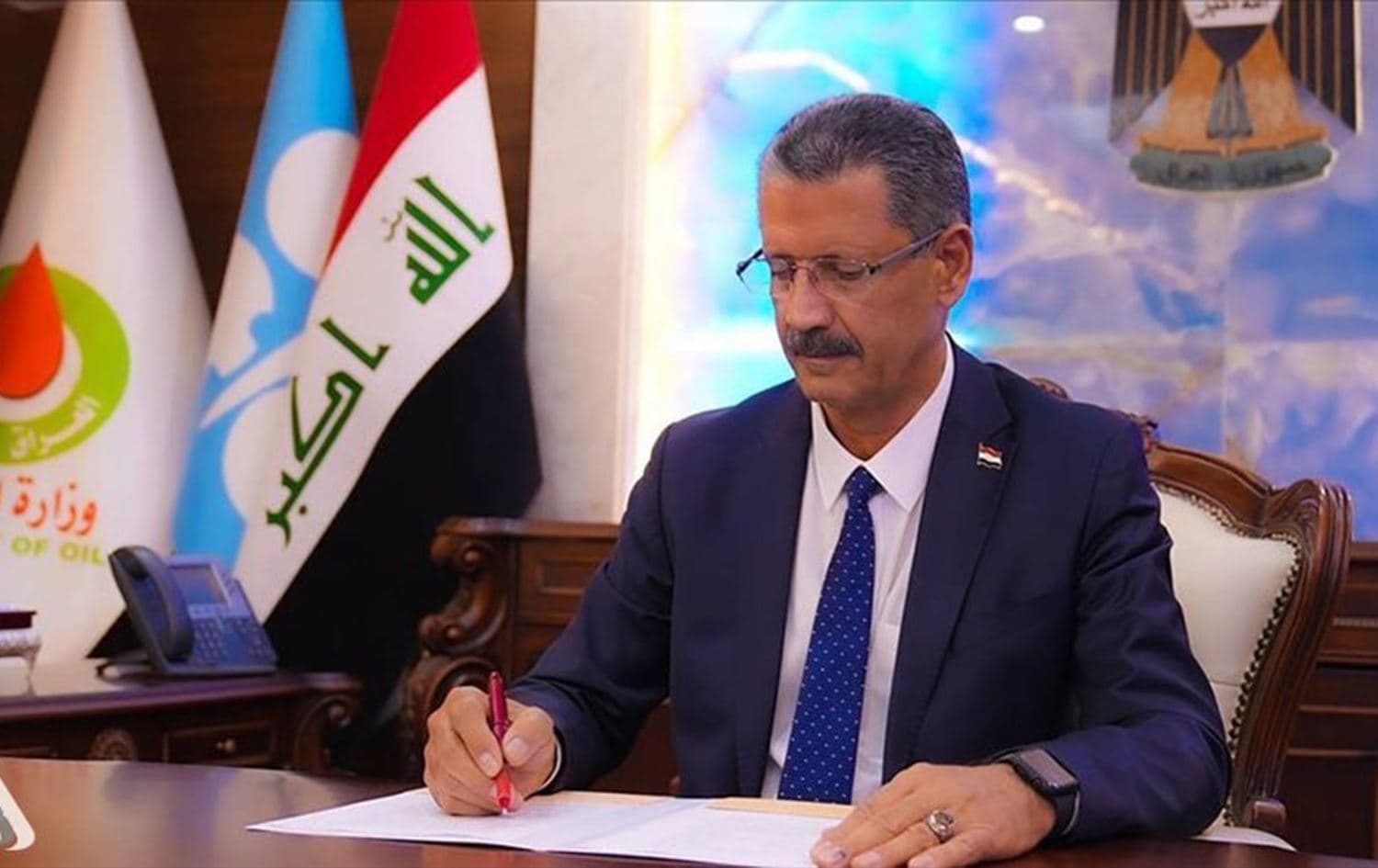
Erbil initially agreed to receive 46,000 barrels of oil per day for internal consumption, but “the Region is now requesting it be 65,000, thus violating the budget law,” Oil Minister Hayyan Abdul Ghani told Iraqi state media.
Kurdistan Region’s oil exports have been suspended since 2023. Erbil and Baghdad have had multiple rounds of negotiations to hammer out an agreement that would see the exports resume via the pipeline through Turkey.
“Almost all clauses have been agreed upon except this one, and we hope that in the final stages the Region will accept the quantity that was agreed upon between the federal and regional financial audit bureaus in order to implement the agreement,” Ghani said.
Under the Iraqi budget, the Kurdistan Regional Government (KRG) is required to hand over 400,000 barrels per day to the federal government’s State Oil Marketing Organization (SOMO).
Ghani said the federal government has informed both Turkish and Kurdish sides of its readiness to resume exports via the Iraq-Turkey pipeline, adding that “Turkey is ready,” but Baghdad is still “waiting for our brothers in the Region to deliver this quantity of oil.”
He noted that Iraq is currently losing around 300,000 barrels per day, as the Region’s production is counted within the country’s OPEC quota “despite the federal government not benefiting from it.”
The halt in exports and disputes with Baghdad have put an enormous financial strain on the KRG, which has lost more than $25 billion in oil revenues. Erbil is not able to pay its civil servants and is dependent on funds from Baghdad. In May, Iraq’s federal finance ministry halted all budget transfers to the KRG, including payments for public employee salaries, claiming the KRG had exceeded its share of federal budget funds and failed to deliver its oil to SOMO. Public sector workers have not been paid since.
Dilshad Mawani, an oil and gas expert, told Rudaw on Saturday that an escrow account could be a viable option in this situation.
An escrow is a financial arrangement in which a neutral third party holds funds or assets on behalf of two parties until predetermined conditions of a contract are fulfilled.
“Escrow accounts… can be an option so that operations or investment don’t stop… when there is no political agreement or… no important political decision or a decision from a court to resolve one of the matters,” he said.
.jpg&w=3840&q=75)