


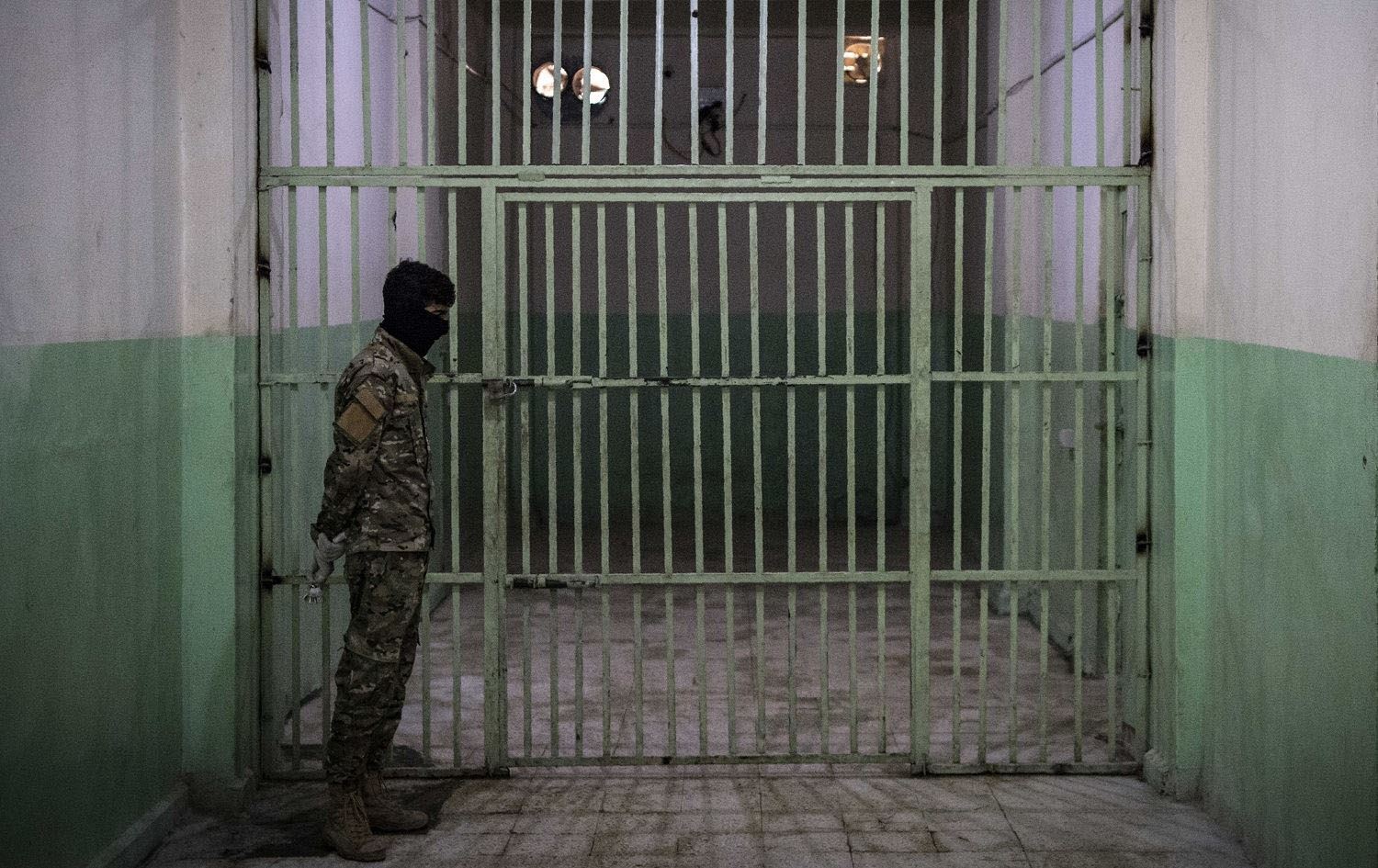
ERBIL, Kurdistan Region - Iraq’s justice ministry said on Tuesday that nearly 8,000 inmates across the country have been released under the general amnesty law, which took effect in mid-February.
“The total number of inmates released under the general amnesty law, since its implementation, until today, has reached 7,995 inmates across all correctional departments in Iraq,” state media said, citing a justice ministry statement.
Passed in February, the law amended the 2016 law’s interpretation of affiliation with terrorist organizations, and was pushed by Sunni Arab lawmakers. The amendment was a key prerequisite for Sunni blocs to agree to join the ruling State Administration Coalition, which was formed in September 2022 and backed Prime Minister Mohammed Shia’ al-Sudani into office.
The ministry asserted that it will “continue to follow up on the implementation of the law with transparency and accuracy,” adding that the released prisoners included male and female inmates.
The law went into effect alongside two other controversial laws demanded by Shiite and Kurdish lawmakers – the personal status and land restitution laws, respectively.
The Islamic State (ISIS) seized vast swathes of Iraqi territory in 2014. During the liberation battles, thousands were arrested for suspected ISIS links, particularly in Sunni-majority provinces, like Anbar, Nineveh, and Salahaddin provinces.
According to the justice ministry statistics, there are 30 prisons in Iraq with some 67,000 inmates, 1,600 of whom are foreigners. This number excludes the Kurdistan Region’s prisons and those held by security forces and different armed groups across the country.
“The total number of inmates released under the general amnesty law, since its implementation, until today, has reached 7,995 inmates across all correctional departments in Iraq,” state media said, citing a justice ministry statement.
Passed in February, the law amended the 2016 law’s interpretation of affiliation with terrorist organizations, and was pushed by Sunni Arab lawmakers. The amendment was a key prerequisite for Sunni blocs to agree to join the ruling State Administration Coalition, which was formed in September 2022 and backed Prime Minister Mohammed Shia’ al-Sudani into office.
The ministry asserted that it will “continue to follow up on the implementation of the law with transparency and accuracy,” adding that the released prisoners included male and female inmates.
The law went into effect alongside two other controversial laws demanded by Shiite and Kurdish lawmakers – the personal status and land restitution laws, respectively.
The Islamic State (ISIS) seized vast swathes of Iraqi territory in 2014. During the liberation battles, thousands were arrested for suspected ISIS links, particularly in Sunni-majority provinces, like Anbar, Nineveh, and Salahaddin provinces.
According to the justice ministry statistics, there are 30 prisons in Iraq with some 67,000 inmates, 1,600 of whom are foreigners. This number excludes the Kurdistan Region’s prisons and those held by security forces and different armed groups across the country.


Comments
Rudaw moderates all comments submitted on our website. We welcome comments which are relevant to the article and encourage further discussion about the issues that matter to you. We also welcome constructive criticism about Rudaw.
To be approved for publication, however, your comments must meet our community guidelines.
We will not tolerate the following: profanity, threats, personal attacks, vulgarity, abuse (such as sexism, racism, homophobia or xenophobia), or commercial or personal promotion.
Comments that do not meet our guidelines will be rejected. Comments are not edited – they are either approved or rejected.
Post a comment