Kurds underrepresented in Kirkuk institutions despite half the population: MP
14-08-2025
Rudaw
A+ A-
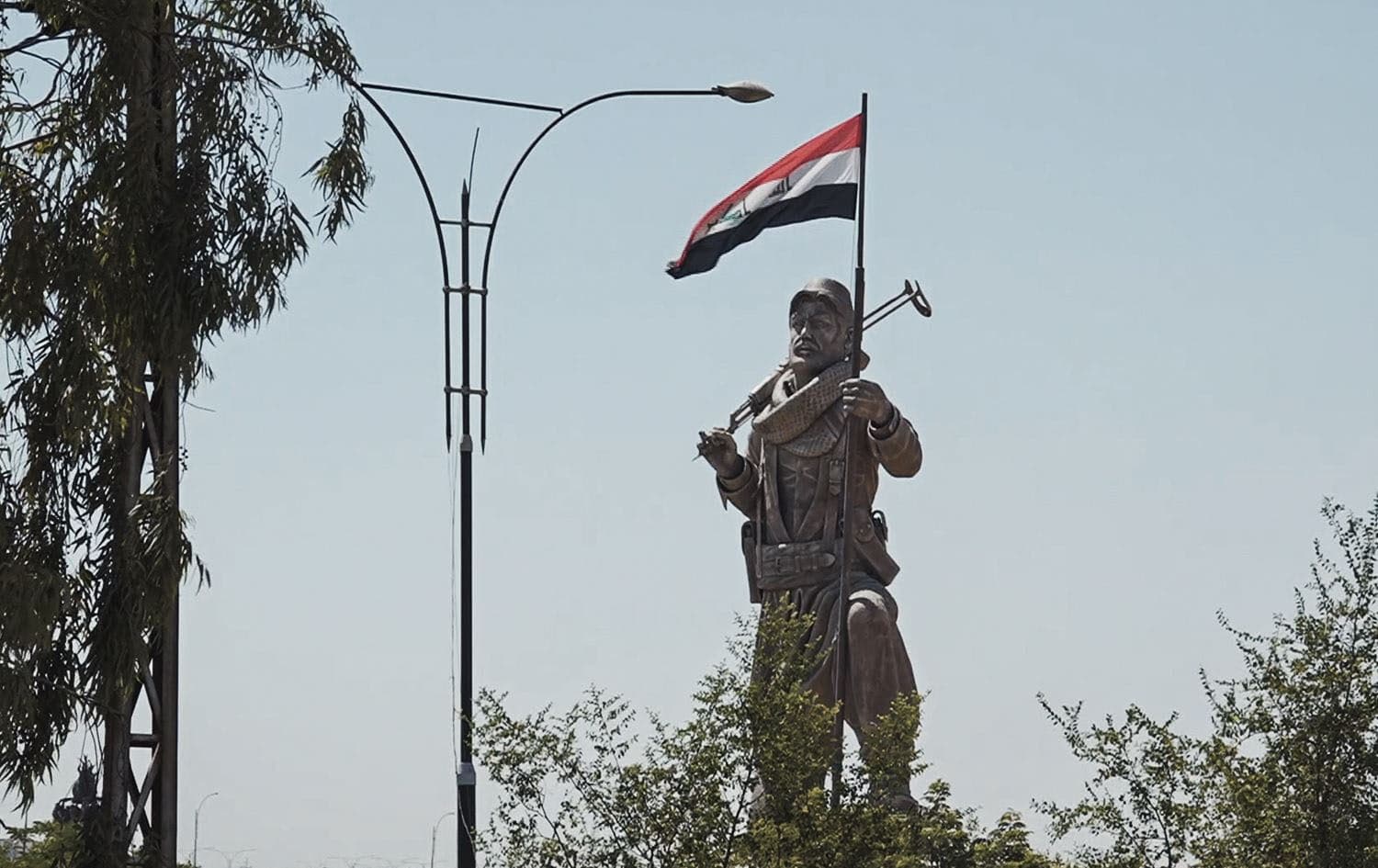
ERBIL, Kurdistan Region - Kurdish representation in Kirkuk’s public institutions is much lower than that of Arabs and Turkmen despite making up nearly half of the population, a Kurdish lawmaker said on Wednesday, with less than 25 percent of the province’s civil servants being Kurdish.

"Kurds make up 26 percent of civil servants in the provincial government office,” Dilan Ghafoor, a Kurdish lawmaker in the Iraqi parliament from Kirkuk, told Rudaw, adding that the office’s employees are majority Turkmen and Arab.

“We have been working on this issue for more than 20 years, but as Kurds, we still have not reached the level where we receive our rightful representation in government institutions," she said.

In Kirkuk province, ethnic discrimination against Kurds has been practiced in several ways, according to Ghafoor, who noted that “officially, the former regime, through laws and regulations, had excluded Kurds from most institutions and from obtaining positions.”

Ghafoor explained that Kurds hold less than a quarter of the overall public sector jobs in Kirkuk province, despite comprising nearly half of the population.

Kirkuk has long been a flashpoint of ethnic tensions due to Saddam Hussein’s Arabization policies in the 1970s and 1980s, which forcibly removed Kurds and Turkmens and resettled Arab families, shifting the demographics significantly.

The city was under joint administration before 2014, when Kurds took full control after Iraqi forces withdrew in the face of the Islamic State (ISIS). Kurds held the city until October 16, 2017, when Iraqi forces retook control and expelled Kurdish security forces following the Kurdistan Region’s independence referendum.

Some civil servants and teachers in Kirkuk are employees of the Kurdistan Regional Government (KRG), which has paid their salaries, while Baghdad is responsible for others.

Ghafoor said that for two parliamentary terms, she has worked on collecting this data, meeting with nearly 20 departments and directorates.

“When I met with government institutions, it became clear to me that Kurdish civil servants always showed signs of unease,” she said.

Kirkuk's disputed status is compounded by a legacy of Arabization under the Baath regime, which displaced Kurds and gave their lands to Arab settlers. Despite compensation under Article 140 of the Iraqi constitution, many Arab settlers have refused to leave.


Nwenar Fatih contributed to this report.

Comments

Rudaw moderates all comments submitted on our website. We welcome comments which are relevant to the article and encourage further discussion about the issues that matter to you. We also welcome constructive criticism about Rudaw.

To be approved for publication, however, your comments must meet our community guidelines.

We will not tolerate the following: profanity, threats, personal attacks, vulgarity, abuse (such as sexism, racism, homophobia or xenophobia), or commercial or personal promotion.

Comments that do not meet our guidelines will be rejected. Comments are not edited – they are either approved or rejected.

Post a comment

Required
Required
 

The Latest

The Mosul dam, located upstream Mosul on the Tigris River in the Nineveh province. Photo: AFP

Iraq plans 50 new dams to boost water reserves, funding pending: Official

An Iraqi water ministry official said on Thursday that the government is planning to construct 50 new dams and water barriers as part of a national strategy to increase water reserves, contingent on the availability of funding.