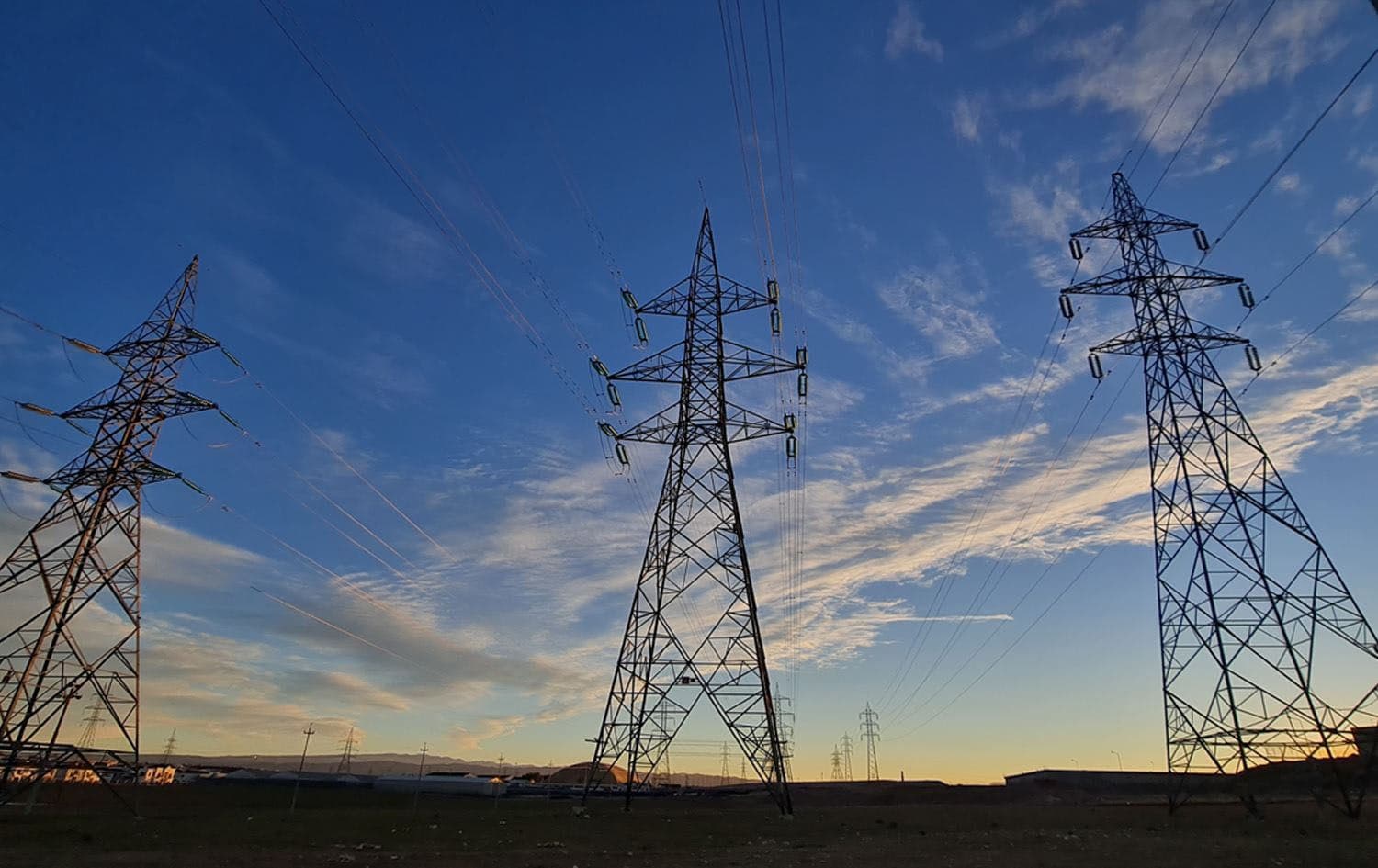

ERBIL, Kurdistan Region - Jordan’s state-owned electricity provider said the second phase of a project to supply Iraq with power is nearing completion and is expected to deliver 150-200 megawatts by August, as Baghdad races to ease summer shortages.
“The project is nearing completion at this stage and is expected to supply the Iraqi side with about 150-200 megawatts,” said Sofian al-Bataineh, the director of the Jordanian National Electric Power Company (NEPCO), state media Petra reported.
Petra said NEPCO is increasing efforts to complete the phase in August.
In February 2024, Jordan signed an agreement to supply electricity to Iraq, building on a foundation laid in October 2022.
On Thursday, Ahmed Mousa, spokesperson for Iraq’s electricity ministry, told Rudaw that the first stage of the project has been completed and currently provides 54 megawatts to Anbar. Third and fourth stages are planned.
“The third phase of the project will reach 350 megawatts of electricity, and then we will discuss the fourth phase, which is to connect the power line between Egypt, Jordan and Iraq,” Mousa said.
According to Petra, the project will eventually reach 500 megawatts.
Despite its vast oil and gas reserves, Iraq suffers from chronic electricity shortages. At times, especially during the hot summer months, the supply is able to meet only about half the demand.
In addition to Jordan, the electricity ministry is working with Gulf countries and Turkey to boost the power supply. In April, the ministry announced it was in talks with Turkey and had signed a contract to double its electricity imports from 300 megawatts to 600 megawatts.
For years, Iraq has relied on gas imports from Iran to run its power plants, putting its power grid at the mercy of sanctions waivers from the United States and leaving it vulnerable to periodic cuts in the supply by Iran.