ERBIL, Kurdistan Region - The Iraqi government has decided to tighten legal and security measures against any citizen who joins foreign national armies, particularly those involved in the ongoing Russia-Ukraine war.
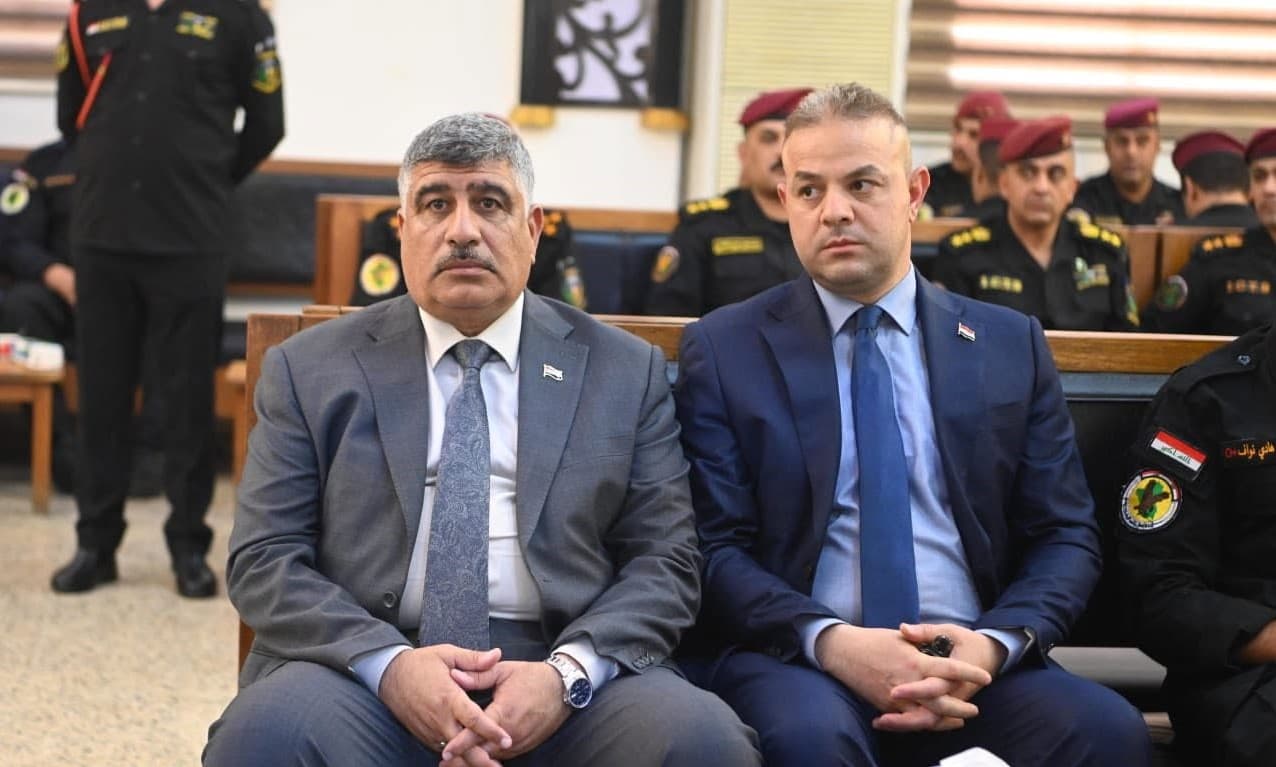
On Wednesday, Iraq’s National Security Advisor, Qasim al-Araji, chaired a meeting focused on combating the recruitment of Iraqi citizens into the Russian and Ukrainian armed forces.
According to a statement from Araji’s media office, officials agreed to activate provisions of Iraq’s penal code that mandate imprisonment for any citizen who joins a foreign army without prior authorization from the relevant authorities.
The meeting also resolved to hold accountable and punish companies that “facilitate the travel of young people” to Russia through “illegal or financial networks established for recruitment purposes.”
In late December, Araji stated that “hundreds of Iraqis” are fighting in the Russia-Ukraine war.
A senior security official previously told Rudaw that the Iraqi government has formally called on both Russia and Ukraine to hand over any Iraqi nationals serving in their respective armed forces.
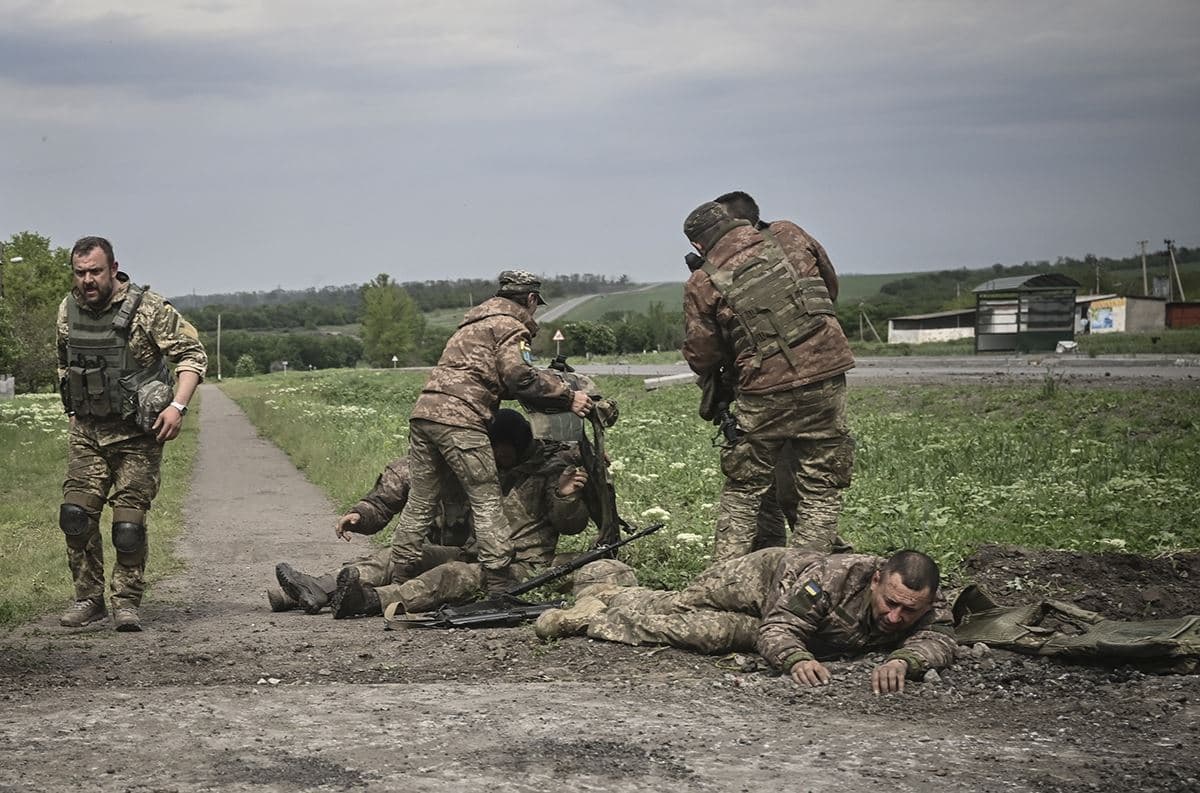
More than four years have passed since the outbreak of the Russia-Ukraine war, which has resulted in significant civilian casualties. With US mediation, diplomatic efforts to end the conflict have intensified, though prospects for a breakthrough remain uncertain.
There is no precise data on how many Iraqis are currently participating in the war.
Russia presently controls approximately 19.2 percent of Ukrainian territory.
Despite numerous Western-backed peace initiatives and high-level talks between US and Russian officials, the conflict shows no signs of ending in the near future. In negotiations with Washington over a potential framework for peace, Moscow has repeatedly demanded full control over all Ukrainian territories it currently occupies.