Iraq
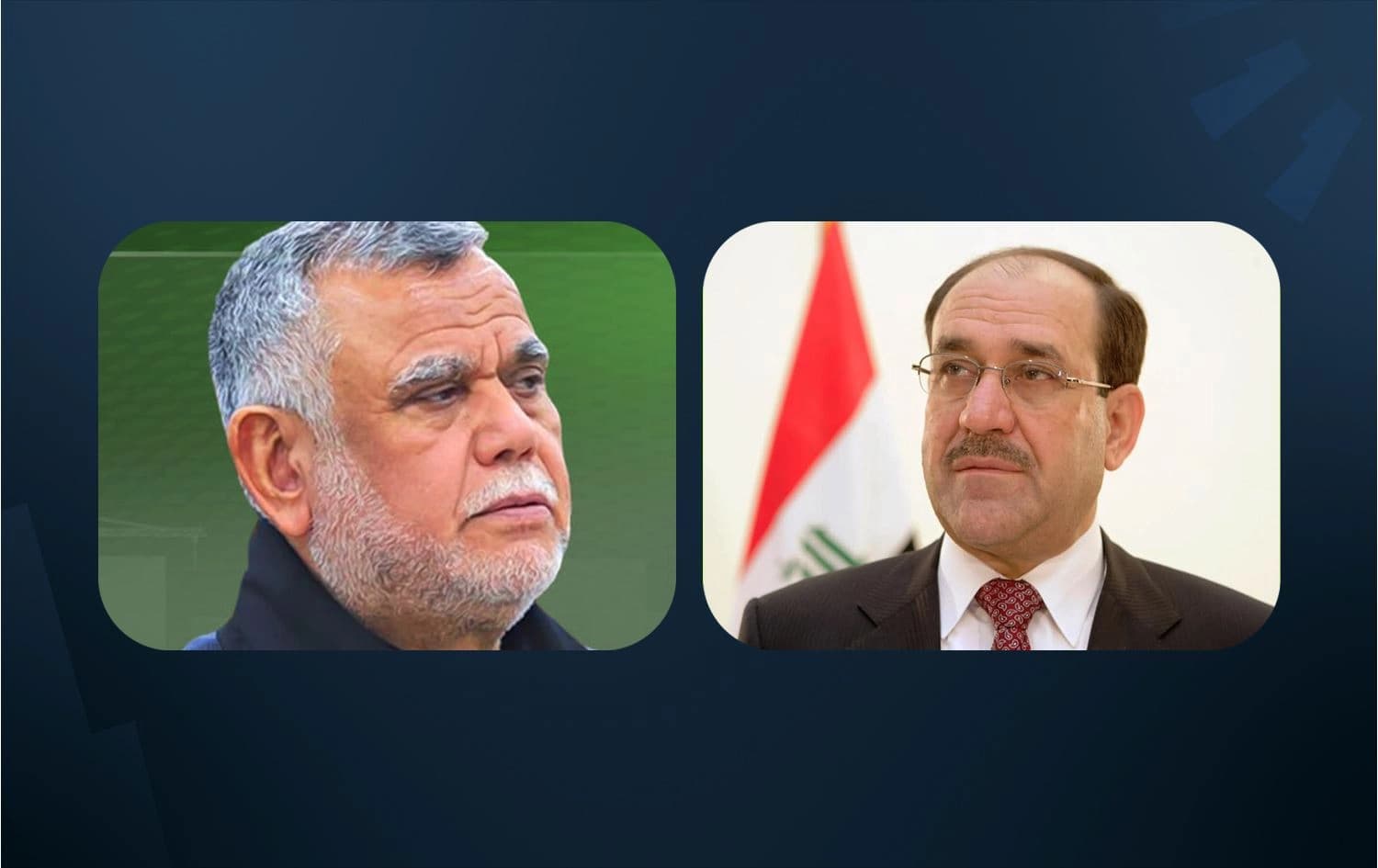
Hadi al-Amiri leader of the pro-Iran Badr Organization (left). Photo: Handout; Nouri al-Maliki, former Iraqi prime minister. Photo: Handout; Graphic: Rudaw
ERBIL, Kurdistan Region - Iraq’s former prime minister and a pro-Iran politician emerged as the main winners of Monday’s provincial elections in Iraq, according to official preliminary results.
The State of Law Coalition, led by former premier Nouri al-Maliki, gained most of the votes in Muthana province. It emerged second in Wasit, Najaf, Diwaniyah, Karbala, Maysan and Dhi Qar provinces and third in the oil-rich Basra as well as in the capital city of Baghdad, announced the Independent High Electoral Commission (IHEC) in a press conference on Tuesday.
The We Build Alliance, headed by Hadi al-Amiri, leader of the pro-Iran Badr Organization, performed extremely well in the polls. The alliance garnered most of the votes in Najaf, Diwaniyah, Babil, Maysan, and Dhi Qar province. It emerged as second in Basra and Baghdad provinces and third in Wasit, Karbala and Muthana provinces, according to the official preliminary results by the IHEC.
The IHEC announced that the results represented 94 percent of the counted votes.
Both Shiite alliances are among the main backers of Mohammed Shia’ al-Sudani’s cabinet.
Maliki was the third winner of the 2021 parliamentary vote and Amiri was the fifth.
Muqtada al-Sadr, whose Sadrist Movement, gained most of the seats in the parliamentary poll but later withdrew from the political scene boycotted Monday’s polls after labeling them as “corrupt elections.” However, he called on his supporters not to attack the process.
The main Shiite winner in the elections is the National State Forces Alliance which includes Ammar al-Hakim’s National Wisdom Movement and former prime minister Haider al-Abadi’s Victory Party.
The overall voter turnout reached 41 percent, higher than the parliamentary elections in 2021 despite the boycott by influential cleric Sadr.
The councils were dissolved in 2019 in response to demands by Tishreen protesters who criticized the system for its failures and for enabling corruption. After several delays, the election date was set for December 18.
Iraq's long-anticipated provincial elections took place in 15 provinces, excluding the Kurdistan Region. The last provincial council elections took place in 2013, without Kirkuk.
The provincial councils were created by the 2005 Iraqi constitution following the fall of dictator Saddam Hussein’s regime. They hold significant power, including setting budgets for several key sectors such as education, health, and transport, but are accused of being rife with corruption.
The State of Law Coalition, led by former premier Nouri al-Maliki, gained most of the votes in Muthana province. It emerged second in Wasit, Najaf, Diwaniyah, Karbala, Maysan and Dhi Qar provinces and third in the oil-rich Basra as well as in the capital city of Baghdad, announced the Independent High Electoral Commission (IHEC) in a press conference on Tuesday.
The We Build Alliance, headed by Hadi al-Amiri, leader of the pro-Iran Badr Organization, performed extremely well in the polls. The alliance garnered most of the votes in Najaf, Diwaniyah, Babil, Maysan, and Dhi Qar province. It emerged as second in Basra and Baghdad provinces and third in Wasit, Karbala and Muthana provinces, according to the official preliminary results by the IHEC.
The IHEC announced that the results represented 94 percent of the counted votes.
Both Shiite alliances are among the main backers of Mohammed Shia’ al-Sudani’s cabinet.
Maliki was the third winner of the 2021 parliamentary vote and Amiri was the fifth.
Muqtada al-Sadr, whose Sadrist Movement, gained most of the seats in the parliamentary poll but later withdrew from the political scene boycotted Monday’s polls after labeling them as “corrupt elections.” However, he called on his supporters not to attack the process.
The main Shiite winner in the elections is the National State Forces Alliance which includes Ammar al-Hakim’s National Wisdom Movement and former prime minister Haider al-Abadi’s Victory Party.
The overall voter turnout reached 41 percent, higher than the parliamentary elections in 2021 despite the boycott by influential cleric Sadr.
The councils were dissolved in 2019 in response to demands by Tishreen protesters who criticized the system for its failures and for enabling corruption. After several delays, the election date was set for December 18.
Iraq's long-anticipated provincial elections took place in 15 provinces, excluding the Kurdistan Region. The last provincial council elections took place in 2013, without Kirkuk.
The provincial councils were created by the 2005 Iraqi constitution following the fall of dictator Saddam Hussein’s regime. They hold significant power, including setting budgets for several key sectors such as education, health, and transport, but are accused of being rife with corruption.
Comments
Rudaw moderates all comments submitted on our website. We welcome comments which are relevant to the article and encourage further discussion about the issues that matter to you. We also welcome constructive criticism about Rudaw.
To be approved for publication, however, your comments must meet our community guidelines.
We will not tolerate the following: profanity, threats, personal attacks, vulgarity, abuse (such as sexism, racism, homophobia or xenophobia), or commercial or personal promotion.
Comments that do not meet our guidelines will be rejected. Comments are not edited – they are either approved or rejected.
Post a comment