


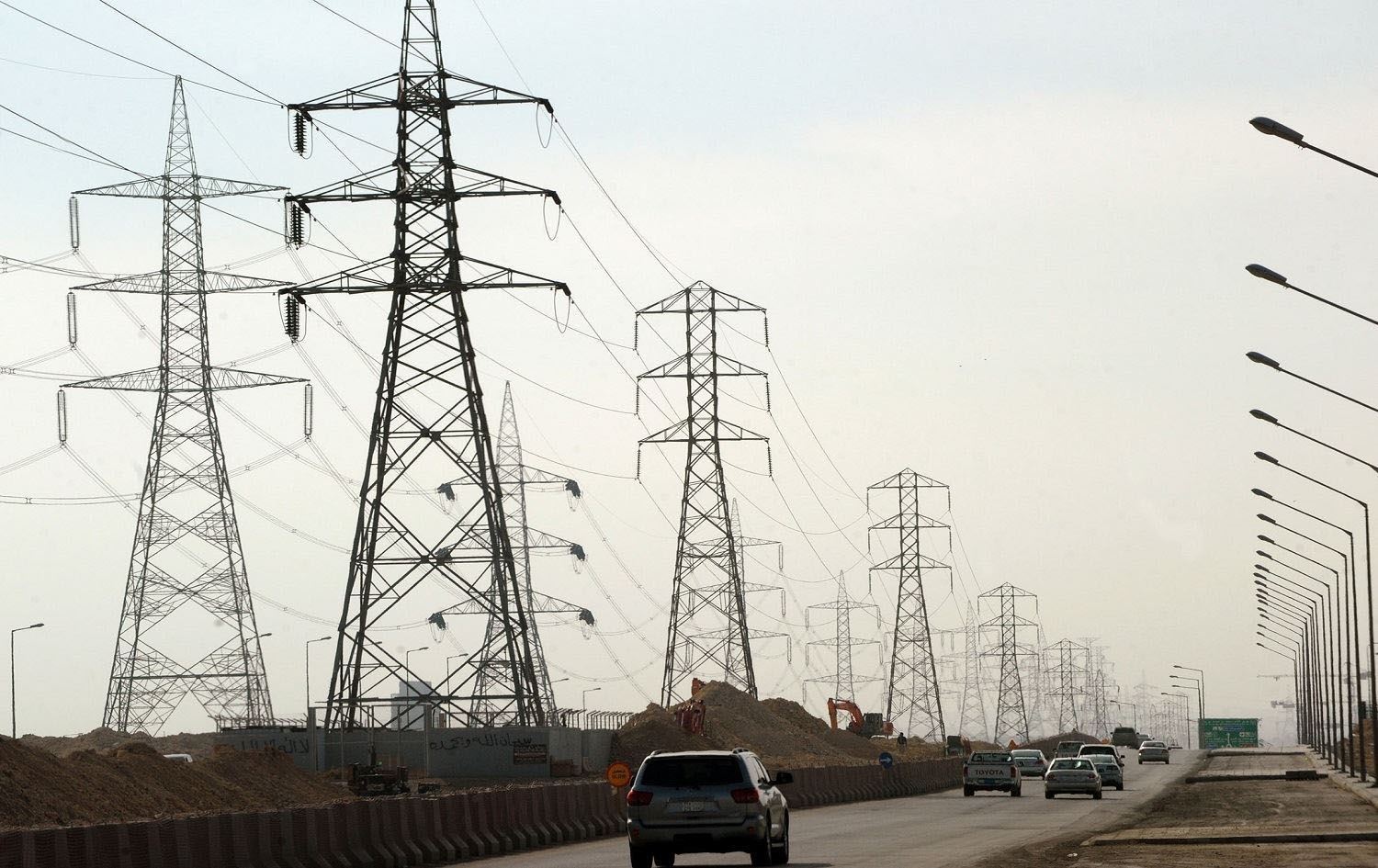
ERBIL, Kurdistan Region - Kirkuk Governor Rebwar Taha on Tuesday rejected claims that several predominantly Kurdish and Turkmen areas had been placed under the province’s Arab-majority Hawija district for electricity administration, saying Prime Minister Mohammed Shia’ al-Sudani had approved the separation only for Hawija itself.
In April, Taha requested from Sudani the establishment of a separate electricity department for Hawija, citing difficulty repairing the district’s power during blackouts. The prime minister approved it, but when the request reached the electricity ministry, Kurdish and Turkmen majority areas were also placed under the new electricity department. The inclusion of these areas triggered a reaction from Iraqi parliament’s deputy speaker, Shakhawan Abdullah, who represents the province in the legislature.
In a Facebook post on Tuesday, Abdullah called the move a “catastrophe.” He claimed Taha had signed the document and “had been deceived,” adding that the subdistricts had been added “through a minister’s scheme,” without specifying who.
In response to Abdullah’s statement, Taha said in a statement later on Tuesday that Sudani’s approval was “exclusively for separating the electricity department of Hawija district from Kirkuk’s general electricity department,” adding that "If some people intend to put other places under this decision, their efforts will only remain on paper and will have no practical value."
The document from the State Company of Electricity Distribution for the North, dated June 25, gives approval for establishing an electricity distribution branch for Hawija and lists the districts of Hawija, Daquq, and Dibis, along with the subdistricts of Shwan, Sargaran, Prde, Laylan, Yaychi, Taza, Zab, Abbasi, Riyaz, Rashad, and Multaqa. These include Kurdish majority areas. In a separate letter a month later, the company said the new body covers “Hawija and its surroundings.”
“Now if a [Kurdish] martyr's family from Shwan, Laylan, Dibis, Prde, and those areas needs an electricity pole, they must go and request it from Hawija,” Abdullah said, without elaborating.
He added that he had learned of Taha’s signature from Iraqi Electricity Minister Ziad Ali and requested the order’s cancellation. According to Abdullah, the minister agreed but conditioned the reversal on Taha addressing an official document to cancel the decision.
Addressing Taha, Abdullah said, “prepare a document and leave the rest to me, because neither history nor the people of those areas will be merciful.”
In his response, Taha said Abdullah “should have published the text of the document and the Prime Minister's approval, which he certainly has, so that no confusion or misinterpretation is created about the matter."
The controversy follows recent moves in other disputed areas. In early July, Iraq’s planning ministry announced that Minister Mohammed Ali Tamim had approved the elevation of Qaratapa subdistrict in Diyala to district status after a vote by the Diyala Provincial Council. The decision would attach Jabara, Koks, and Kulajo to the new district, drawing strong backlash from Kurds who view it as an attempt to alter the demographics of the disputed province.
While the Hawija issue pertains to electricity administration, administrative changes in disputed territories remain politically sensitive, especially ahead of Iraq’s parliamentary elections in November, when such moves are often seen as campaigning strategies.
Following dictator Saddam Hussein’s fall, Iraq adopted Article 140 of the constitution to reverse Baath-era Arabization in disputed Kurdish-populated areas such as Kirkuk and Qaratapa. Kurdish officials say the incomplete implementation of the article has left these areas vulnerable to renewed demographic engineering.


Comments
Rudaw moderates all comments submitted on our website. We welcome comments which are relevant to the article and encourage further discussion about the issues that matter to you. We also welcome constructive criticism about Rudaw.
To be approved for publication, however, your comments must meet our community guidelines.
We will not tolerate the following: profanity, threats, personal attacks, vulgarity, abuse (such as sexism, racism, homophobia or xenophobia), or commercial or personal promotion.
Comments that do not meet our guidelines will be rejected. Comments are not edited – they are either approved or rejected.
Post a comment