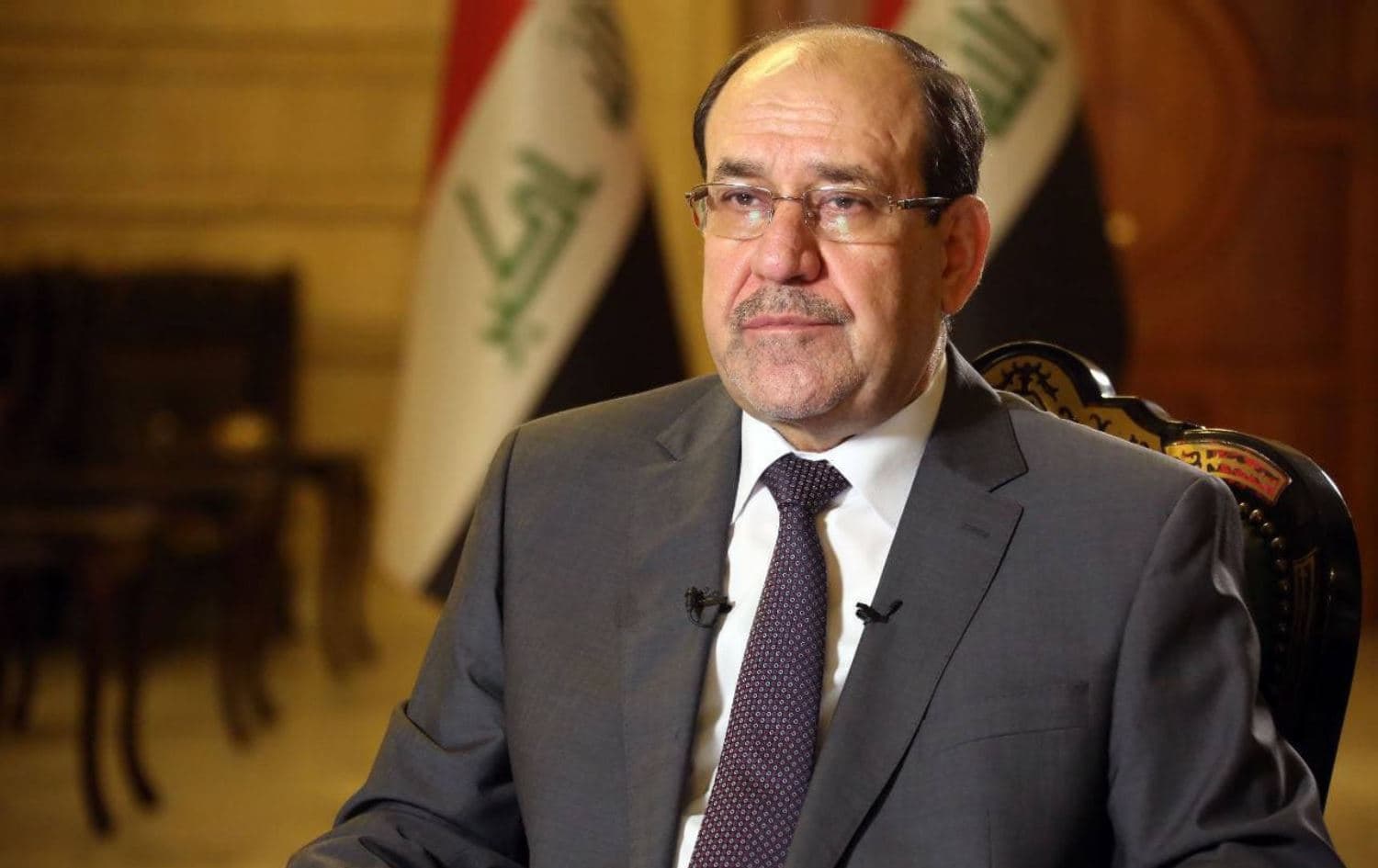
ERBIL, Kurdistan Region - Iraq’s ruling Shiite Coordination Framework on Saturday announced former prime minister Nouri al-Maliki as its candidate for the premiership, according to a bloc statement.
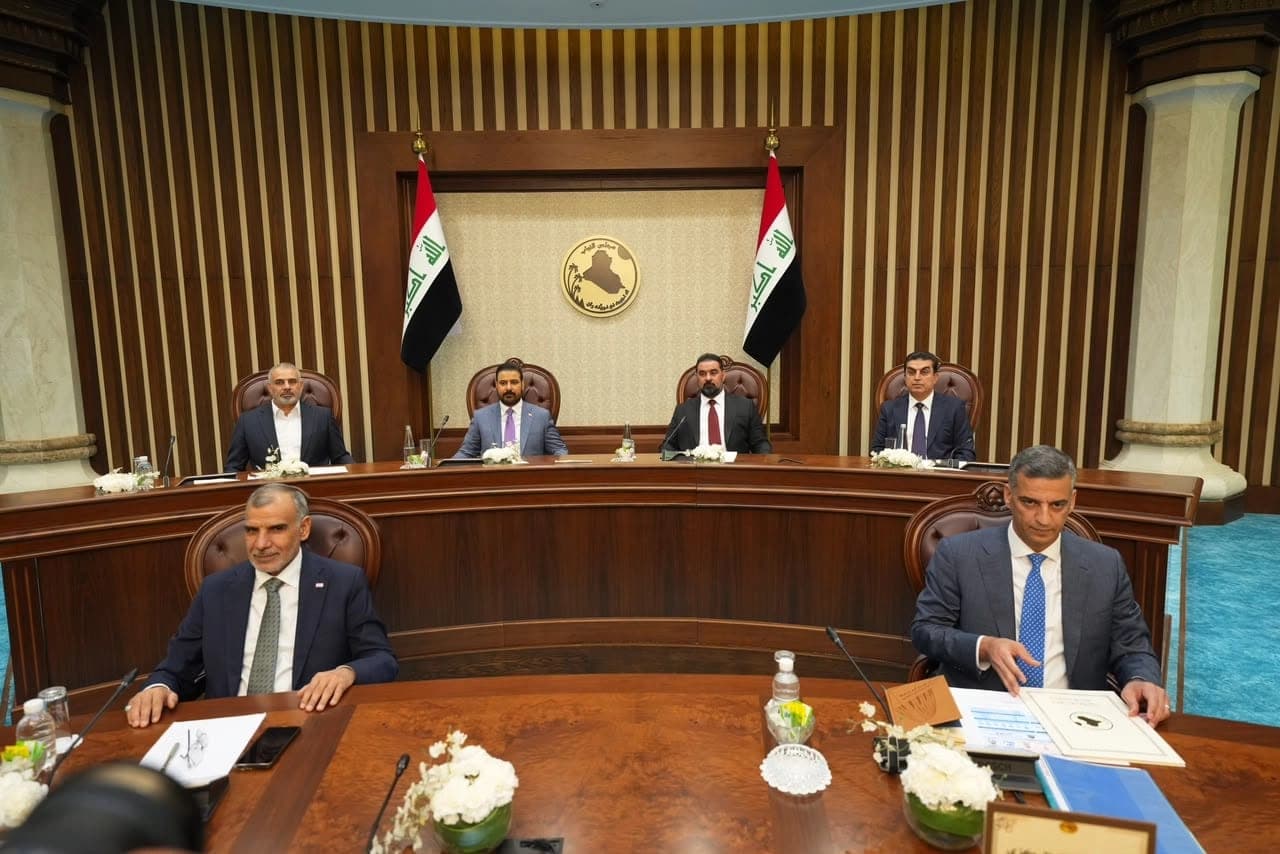
Following a meeting, the bloc - which is the largest in the parliament - said it had “decided by majority” to nominate Maliki as their candidate for prime minister, based on his political and administrative experience and his role in managing the state.”
If he receives enough votes in the legislature, this would mark Maliki’s third term in office. He previously served as prime minister from 2006 to 2014, stepping down during his second term amid major security setbacks linked to the rise of the Islamic State (ISIS) and persistent corruption allegations.
Maliki leads the State of Law coalition, which won 29 seats in Iraq’s November parliamentary elections. Earlier this month, Iraq’s Reconstruction and Development Coalition (RDC) announced that its leader and current Iraqi premier, Mohammed Shia’ al-Sudani, had withdrawn his candidacy for prime minister. Sudani’s bloc emerged as the largest winner in the elections with 46 seats.
“The Coordination Framework affirms its full commitment to the constitutional path and its keenness to work with all national forces to form a strong and effective government capable of facing challenges, providing services, and protecting Iraq's security and unity,” the bloc’s statement added on Saturday.
Neither Maliki nor Sudani was prepared to withdraw from the race as of late December, Salam al-Zubaidi, spokesperson for the Nasr Coalition led by former prime minister Haider al-Abadi, said at the time.
The Coordination Framework also called on parliament “to hold its session dedicated to electing the President of the Republic according to constitutional timelines.”
The next step in forming Iraq’s government is the election of the president, which must be completed by January 28. In late December, parliament elected its speaker and two deputies, triggering a three-day window for political blocs to submit nominees for the largely ceremonial post.
Since the 2003 US-led invasion of Iraq, the presidency has traditionally gone to the Patriotic Union of Kurdistan (PUK), though the Kurdistan Democratic Party (KDP) is also seeking the position.
Under Iraq’s constitution, the president must be elected within 30 days of the first parliamentary session, which convened on December 29.
Following a meeting, the bloc - which is the largest in the parliament - said it had “decided by majority” to nominate Maliki as their candidate for prime minister, based on his political and administrative experience and his role in managing the state.”
If he receives enough votes in the legislature, this would mark Maliki’s third term in office. He previously served as prime minister from 2006 to 2014, stepping down during his second term amid major security setbacks linked to the rise of the Islamic State (ISIS) and persistent corruption allegations.
Maliki leads the State of Law coalition, which won 29 seats in Iraq’s November parliamentary elections. Earlier this month, Iraq’s Reconstruction and Development Coalition (RDC) announced that its leader and current Iraqi premier, Mohammed Shia’ al-Sudani, had withdrawn his candidacy for prime minister. Sudani’s bloc emerged as the largest winner in the elections with 46 seats.
“The Coordination Framework affirms its full commitment to the constitutional path and its keenness to work with all national forces to form a strong and effective government capable of facing challenges, providing services, and protecting Iraq's security and unity,” the bloc’s statement added on Saturday.
Neither Maliki nor Sudani was prepared to withdraw from the race as of late December, Salam al-Zubaidi, spokesperson for the Nasr Coalition led by former prime minister Haider al-Abadi, said at the time.
The Coordination Framework also called on parliament “to hold its session dedicated to electing the President of the Republic according to constitutional timelines.”
The next step in forming Iraq’s government is the election of the president, which must be completed by January 28. In late December, parliament elected its speaker and two deputies, triggering a three-day window for political blocs to submit nominees for the largely ceremonial post.
Since the 2003 US-led invasion of Iraq, the presidency has traditionally gone to the Patriotic Union of Kurdistan (PUK), though the Kurdistan Democratic Party (KDP) is also seeking the position.
Under Iraq’s constitution, the president must be elected within 30 days of the first parliamentary session, which convened on December 29.
Comments
Rudaw moderates all comments submitted on our website. We welcome comments which are relevant to the article and encourage further discussion about the issues that matter to you. We also welcome constructive criticism about Rudaw.
To be approved for publication, however, your comments must meet our community guidelines.
We will not tolerate the following: profanity, threats, personal attacks, vulgarity, abuse (such as sexism, racism, homophobia or xenophobia), or commercial or personal promotion.
Comments that do not meet our guidelines will be rejected. Comments are not edited – they are either approved or rejected.
Post a comment