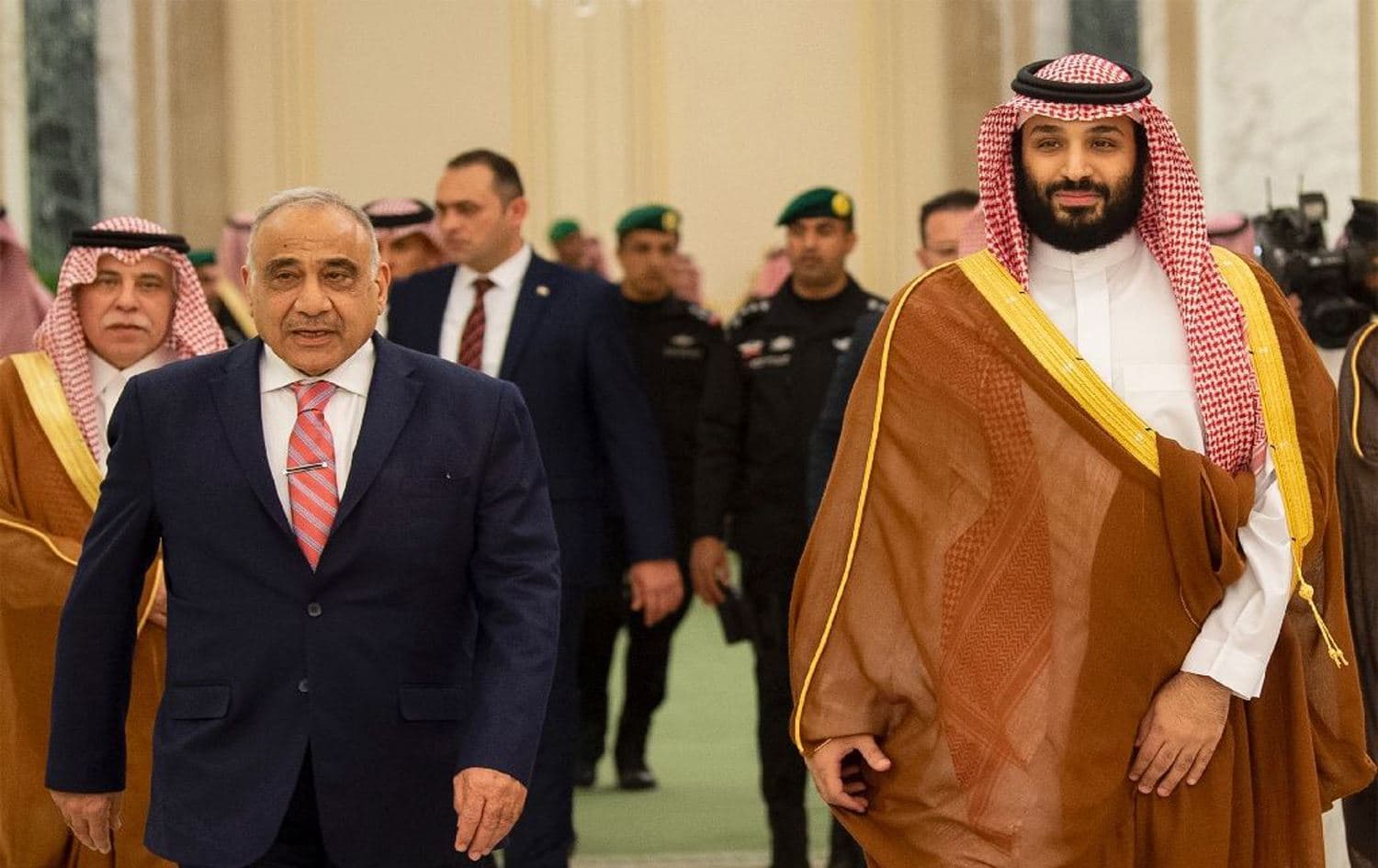

ERBIL, Kurdistan Region — Iraq’s Prime Minister Adil Abdul-Mahdi is on Wednesday visiting Saudi Arabia, meeting King Salman and Crown Prince Mohammad Bin Salman to discuss security in the Persian Gulf and the broader Middle East.
“The Iraqi Prime Minister will discuss security in the region and methods to reduce tensions there and in the Persian Gulf,” read a statement released by the Prime Minister’s Media Office late on Tuesday.
Tensions in the Gulf region following last week’s drone attacks on Saudi Aramco oil installations that temporarily knocked out half of the country’s oil output. Iran has been widely blamed for the attack, despite claims of responsibility from Iran-backed Houthi rebels in Yemen.
The attacks were the most damaging of a series of drone assaults on the kingdom’s oil infrastructure in recent weeks. They raise concerns about global oil supply and likely will further increase tensions across the Persian Gulf amid an escalating crisis between the US and Iran over its unraveling 2015 nuclear deal with world powers.
In response to the attacks, Saudi Arabia’s Council of Ministers on Tuesday issued a statement calling on the international community to challenge Iran’s “destructive, aggressive policies.”
Sandwiched between regional rivals Iran and Saudi Arabia, Iraq wants to maintain good relations with both its neighbors. Tehran and Baghdad maintain close relations and the Iraqi leadership is keen to deepen its ties with Riyadh, fashioning Iraq into a hub where regional interests converge.
Tuesday's media office statement reiterated this aim, saying “Iraq would stay an advocate for peace, and insists on maintaining positive relations with all its neighbors and regional countries.”
Rapprochement between Iraq and Saudi Arabia began in 2015, when Saudi Arabia reopened their Baghdad embassy after 25 years of closure. A coordination council to strengthen the two countries’ relations was established in 2017.
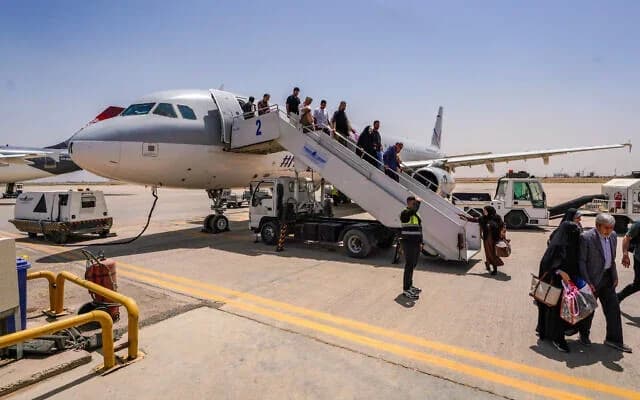
Riyadh opened a consulate in Baghdad in April 2019 and pledging $1.5 billion in loans to Iraq during the trip. The Arar border crossing between the two countries is set to reopen next month after nearly three decades of closure.
Iran continues to yield considerable influence in Iraq.
The country is one of Iraq’s main energy providers, and Iraq has had to get exemptions from US sanctions on Iran to continue receiving energy from the Islamic Republic.
Iran also backs the powerful Popular Mobilization Forces (PMF), also known as Hashd al-Shaabi, in Iraq. The militias first formed to fight ISIS, now have some of their leaders in the Iraqi parliament.
Soon after the Aramco attack, Saudi Arabia joined a US-led Gulf navigation coalition, established to protect navigational freedom in the Persian Gulf after a series of attacks of foreign commercial tankers in the area in August. US allies the UK, Australia, Bahrain and the UAE are also members.
Iraq, however, will not be taking part in the coalition, its foreign ministry spokesman said on Thursday.