ERBIL, Kurdistan Region - Iraq’s Oil Minister Hayyan Abdul Ghani announced on Tuesday that Kurdistan Region oil exports are ranging between 200,000 and 210,000 barrels per day as Iraq inches closer to meeting its export targets.
Abdul Ghani told the state-run Iraqi News Agency on Tuesday that oil exports have reached “more than 3.4 million barrels per day," adding that they are currently working to increase exports to "over 3.45 million."
"This is in addition to the quantities exported via the Port of Ceyhan, with oil received from the Kurdistan Region amounting to approximately 200,000 to 210,000 barrels per day,” he said.
Iraqi law requires exports of around 3.5 million barrels of oil per day to meet government revenue targets, with monthly expenditure (investment and operation) reaching 9 trillion dinars.
Iraq is the second largest oil producer in OPEC after Saudi Arabia, producing an average 4.4 million barrels of oil per day and exporting 3.4 million barrels.
Oil exports from the Kurdistan Region resumed in September after being halted for more than two years, following an agreement among the Kurdistan Regional Government (KRG), the federal government in Baghdad, and international oil companies operating in the Region. In late December, Baghdad, Erbil, and international oil companies agreed to extend the agreement for another three months, ensuring a steady export supply in the first quarter of the year.
Kurdistan Region exports had been halted since March 2023 after Turkey shut down about 450,000 barrels per day of Iraqi oil running through the Kirkuk-Ceyhan pipeline after losing a major case in a Paris court. The International Chamber of Commerce court ordered Ankara to pay Baghdad $1.5 billion for violating a 1973 treaty for allowing the Kurdistan Region Government (KRG) to export oil independently.
Last week, Iraq’s national oil marketer said it is working to again renew the agreement.
Ali Nizar, head of Iraq’s State Oil Marketing Organization (SOMO), told Rudaw on Wednesday that the body has informed senior government officials it will begin procedures to extend the deal. He said the agreement “will certainly be extended,” adding that “we are now awaiting a response from the Council of Ministers for that purpose.”
Abdul Ghani acknowledged some ministry staff are concerned about bonus cuts but denied that reductions are being planned, saying the ministry is committed to maintaining benefits. Abdul Ghani praised staff for playing a key role in “increasing the production of petroleum derivatives from domestic refineries and reaching a level of self-sufficiency in white products," or lightly refined petroleum products.
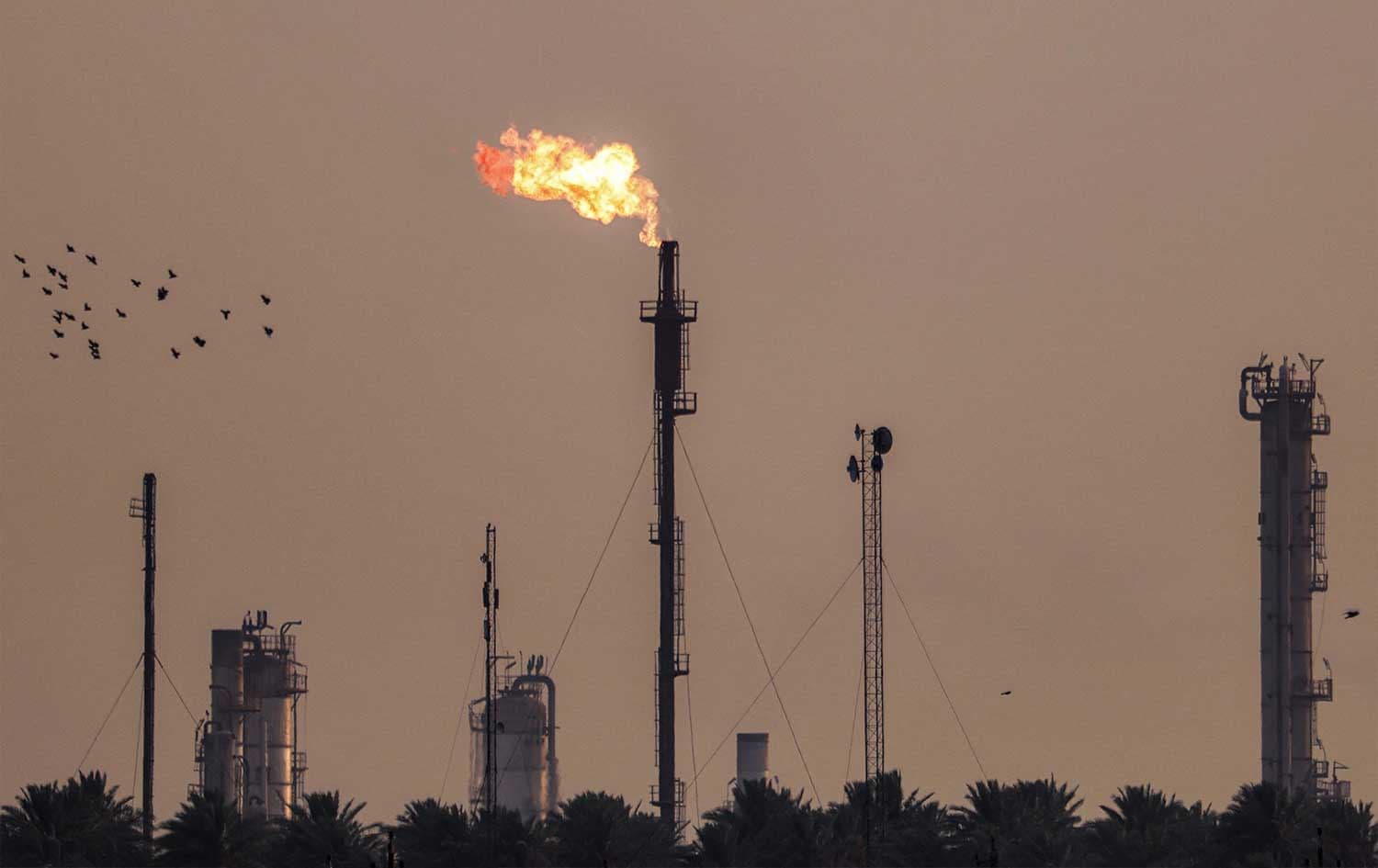
He also said there were “major developments” in the gas sector "where large quantities of gas are being captured and directed to operate power plants.”
.jpeg&w=3840&q=75)