
ERBIL, Kurdistan Region - Iraq’s finance ministry has reported an increase in expenditures and a decrease in revenue for the first quarter of 2025, leading to a deficit of nearly 900 billion dinars (about $690 million) amid lower oil prices.
The finance ministry’s statistics, published on Tuesday, showed a 12 percent increase in expenditures and a 12.7 percent decrease in revenue compared to the same period last year, with 80 percent of the expenses for the first three months of the year - totaling 28 trillion dinars - being allocated to salaries.
A staggering 91 percent of the 27.2 trillion dinars of total revenue came from oil sales, but the country failed to break even and exited the quarter with a nearly 900 billion dinar deficit.
The largest reduction in revenue compared to last year was oil revenue, which decreased by almost 3 trillion dinars, despite oil revenues accounting for 89 percent of the total income last year.
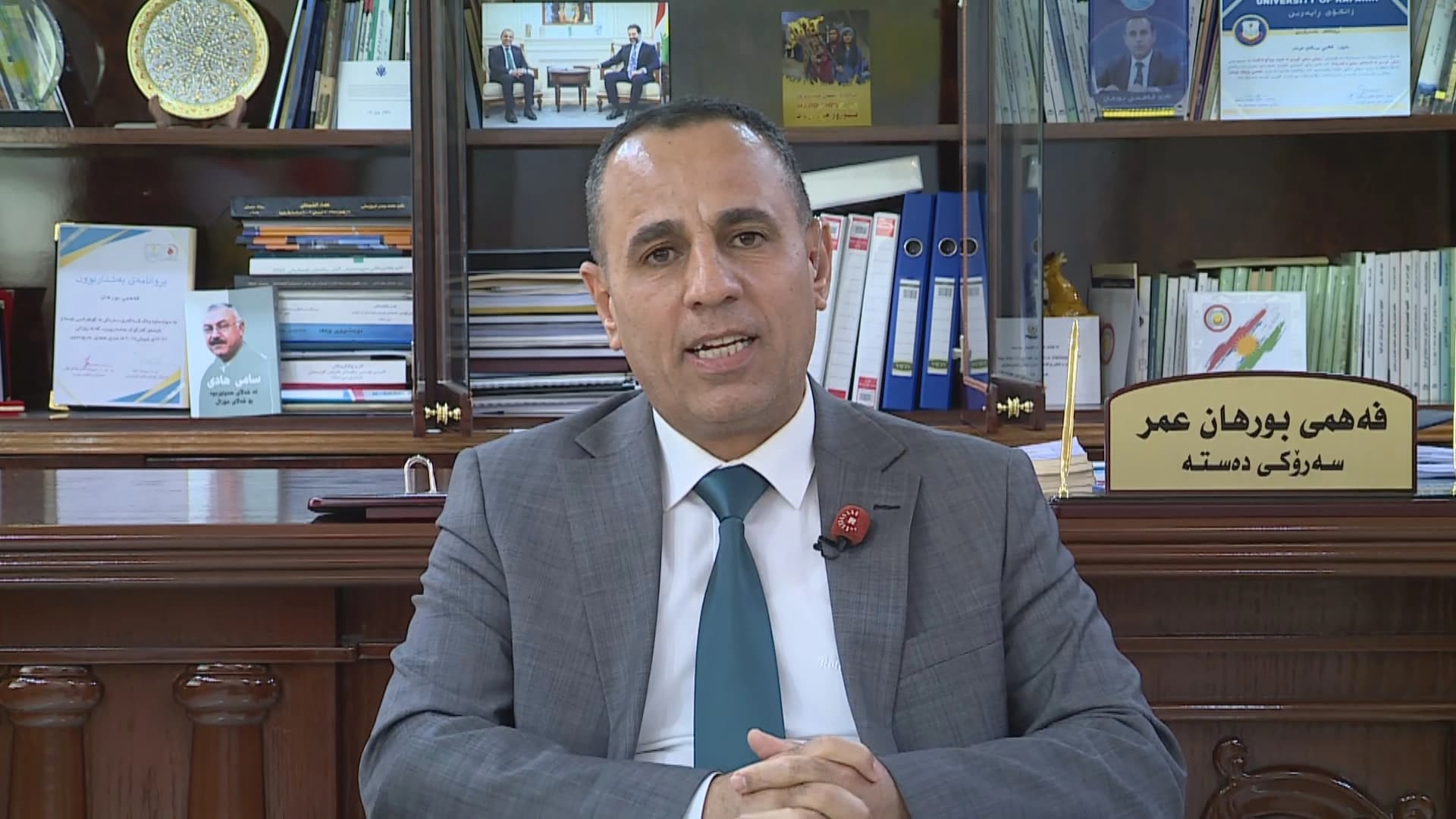
“This difference in oil revenue between last year and this year is related to oil prices. The average price in the first quarter last year was $76, and this year during the same period it was $72,” Nabil al-Marsoumi, an energy and economics professor at the University of Basra, told Rudaw.
Operational expenses also accounted for 94.7 percent of the country’s total spending, which totaled at just over 28 trillion dinars, according to the finance ministry. Of that amount, over 22.5 trillion dinars was spent on salaries, social security assistance, and pensions.
The finance ministry was the biggest spender at 6.7 trillion dinars, followed by the oil ministry with 3.3 trillion dinars.
Per the statistics, the Kurdistan Region’s share of expenses was set at slightly over 3 trillion dinars, all of which went to salaries, while Erbil’s expenses increased by 1.4 trillion dinars compared to the first quarter of last year.
Iraq passed its highly-contentious budget bill for the years 2023, 2024, and 2025 in June 2023, which includes a record $152 billion in spending. The massive expenditure sparked concerns of instability should oil prices drop below the $70 per barrel threshold set in the bill.
Prime Minister Mohammed Shia’ al-Sudani said at the time that the record-high budget was aimed at addressing pressing social needs, enhancing infrastructure development, and fostering economic progress.
The finance ministry’s statistics, published on Tuesday, showed a 12 percent increase in expenditures and a 12.7 percent decrease in revenue compared to the same period last year, with 80 percent of the expenses for the first three months of the year - totaling 28 trillion dinars - being allocated to salaries.
A staggering 91 percent of the 27.2 trillion dinars of total revenue came from oil sales, but the country failed to break even and exited the quarter with a nearly 900 billion dinar deficit.
The largest reduction in revenue compared to last year was oil revenue, which decreased by almost 3 trillion dinars, despite oil revenues accounting for 89 percent of the total income last year.
“This difference in oil revenue between last year and this year is related to oil prices. The average price in the first quarter last year was $76, and this year during the same period it was $72,” Nabil al-Marsoumi, an energy and economics professor at the University of Basra, told Rudaw.
Operational expenses also accounted for 94.7 percent of the country’s total spending, which totaled at just over 28 trillion dinars, according to the finance ministry. Of that amount, over 22.5 trillion dinars was spent on salaries, social security assistance, and pensions.
The finance ministry was the biggest spender at 6.7 trillion dinars, followed by the oil ministry with 3.3 trillion dinars.
Per the statistics, the Kurdistan Region’s share of expenses was set at slightly over 3 trillion dinars, all of which went to salaries, while Erbil’s expenses increased by 1.4 trillion dinars compared to the first quarter of last year.
Iraq passed its highly-contentious budget bill for the years 2023, 2024, and 2025 in June 2023, which includes a record $152 billion in spending. The massive expenditure sparked concerns of instability should oil prices drop below the $70 per barrel threshold set in the bill.
Prime Minister Mohammed Shia’ al-Sudani said at the time that the record-high budget was aimed at addressing pressing social needs, enhancing infrastructure development, and fostering economic progress.
Comments
Rudaw moderates all comments submitted on our website. We welcome comments which are relevant to the article and encourage further discussion about the issues that matter to you. We also welcome constructive criticism about Rudaw.
To be approved for publication, however, your comments must meet our community guidelines.
We will not tolerate the following: profanity, threats, personal attacks, vulgarity, abuse (such as sexism, racism, homophobia or xenophobia), or commercial or personal promotion.
Comments that do not meet our guidelines will be rejected. Comments are not edited – they are either approved or rejected.
Post a comment