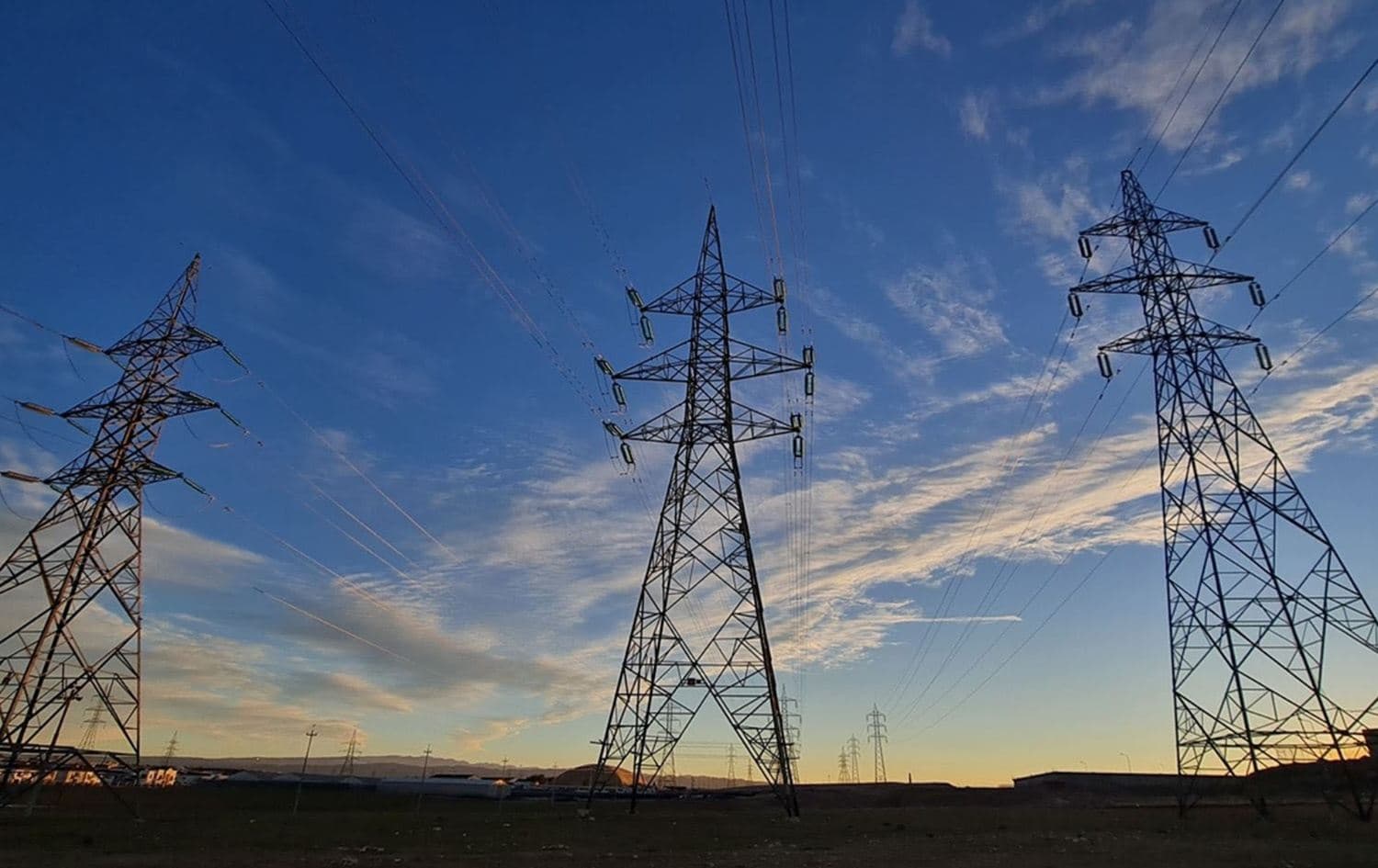

ERBIL, Kurdistan Region - Iraq’s electricity ministry said Tuesday that power grid interconnection projects with neighboring countries will become operational before the summer, providing up to 1,250 megawatts as the country seeks to diversify its energy sources.
“The electricity interconnection project with neighboring countries will see its lines become operational before the summer season,” ministry spokesperson, Ahmed Mousa, told state media, detailing that imports are expected to reach around 600 megawatts from Turkey, 500 megawatts in the first phase with Gulf countries, and 150 megawatts from Jordan.
The development comes as no agreement has yet been reached between Washington and Tehran following US and Israeli strikes on Iran on February 28, which triggered nearly six weeks of war and disrupted regional energy supplies. In mid-March, Israel struck Iran’s South Pars gas field, hitting processing units and storage tanks, with Iran retaliating by targeting energy infrastructure across the region.
Iraq relies heavily on Iran for gas and electricity imports, despite US pressure to reduce the dependence. The electricity ministry said at the time the attack on South Pars field and the subsequent cutoff of supplies resulted in a shortfall of 3,100 megawatts in Iraq’s grid, placing additional strain on an already vulnerable energy system.
In early March, Iranian gas exports to Iraq were halted.
"These projects are part of the ministry's plan to diversify energy sources and improve supply efficiency, especially during peak demand periods in the summer,” the spokesperson added.
In March 2025, the US rescinded a waiver that had allowed Iraq to purchase electricity from Iran as part of President Donald Trump’s “maximum pressure” campaign against Tehran.
Iranian gas exports to Iraq had earlier been suspended on January 24, cutting off a major fuel source for electricity generation. Supplies resumed on February 26 at a rate of 7 million cubic meters per day. According to the electricity ministry, the suspension resulted in the loss of more than 5,500 megawatts of power.
Iraq has long faced chronic electricity shortages, particularly during peak summer and winter demand. While the country typically produces between 20,000 and 25,000 megawatts, it requires nearly 54,000 megawatts to ensure uninterrupted nationwide supply, according to the ministry.
.png&w=3840&q=75)